Loyalty Program

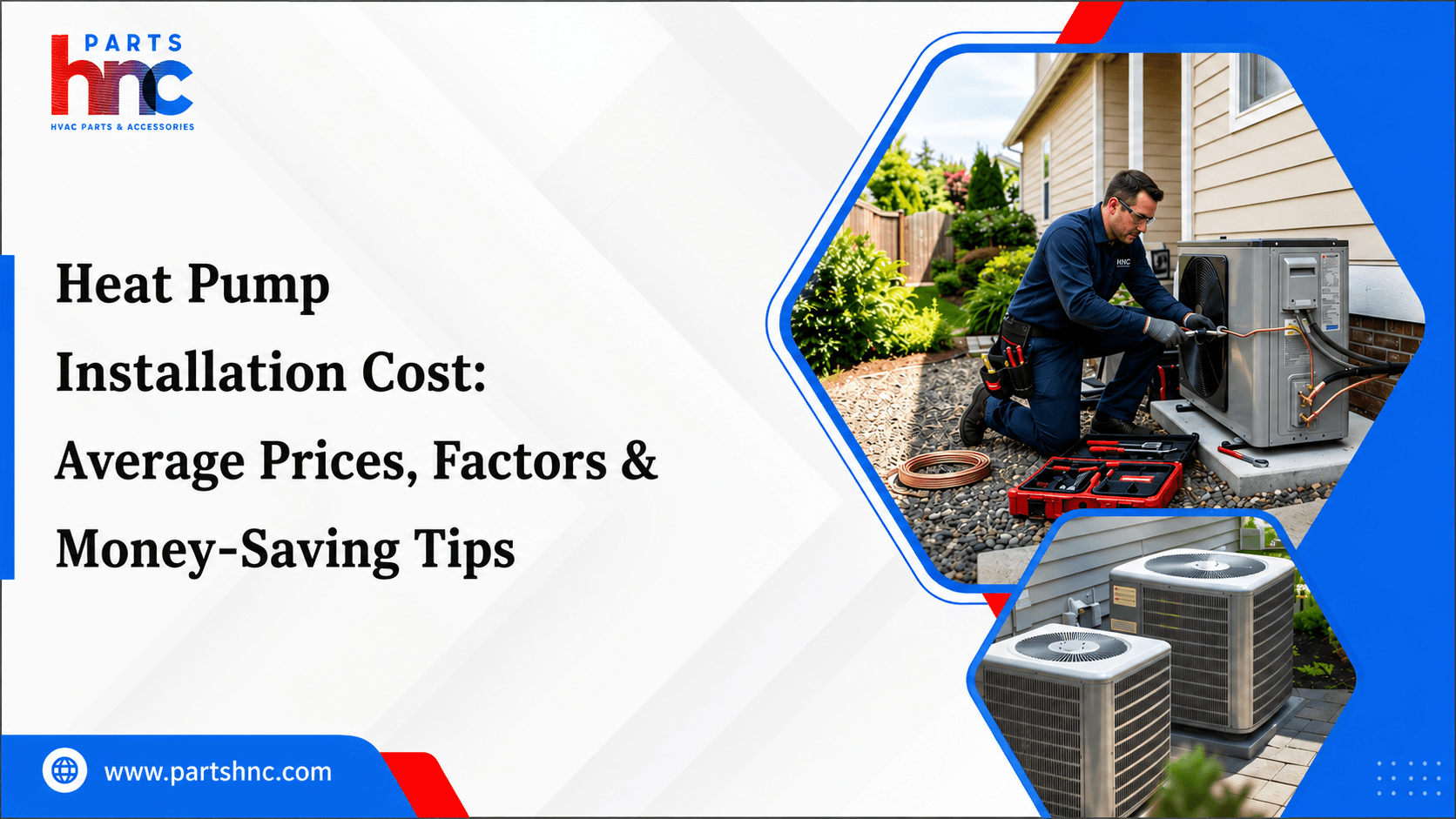
Heat Pump Installation Cost: Average Prices, Factors & Money-Saving Tips
Heat pumps provide both heating and cooling through a single system by transferring heat rather than generating it. Installation costs vary based on the type of heat pump, your home's size, labor charges, existing ductwork, and any electrical upgrades required. Knowing these cost factors before installation helps you set a realistic budget.
This guide explains average heat pump installation costs, the main factors that affect pricing, the different types of heat pumps to reduce installation expenses without compromising system performance
Understanding Heat Pump Types and Installation Benefits
Heat pumps are energy-efficient HVAC systems that transfer heat between indoor and outdoor spaces to provide heating and cooling. Unlike traditional heating systems that generate heat, heat pumps move existing heat, helping reduce energy consumption.
Heat pumps come in different types to suit various climates, home layouts, and heating and cooling needs:
-
Air-Source Heat Pumps: The most common option, transferring heat between indoor and outdoor air for year-round comfort.
-
Ground-Source (Geothermal) Heat Pumps: Use underground temperatures to deliver consistent performance and high energy efficiency.
-
Water-Source Heat Pumps: Transfer heat through a nearby water source, offering efficient operation where suitable conditions exist.
-
Ductless Mini-Split Heat Pumps: Ideal for homes without ductwork, providing flexible, zoned heating and cooling.
-
Solar Heat Pumps: Combine heat pump technology with solar energy to reduce electricity use and improve energy efficiency.
Installation Benefits:
-
Lowers heating and cooling energy consumption.
-
Provides year-round indoor comfort with one system.
-
Reduces carbon emissions compared to conventional HVAC systems.
-
Offers quieter operation and improved temperature control.
-
May increase home value and reduce long-term utility costs.
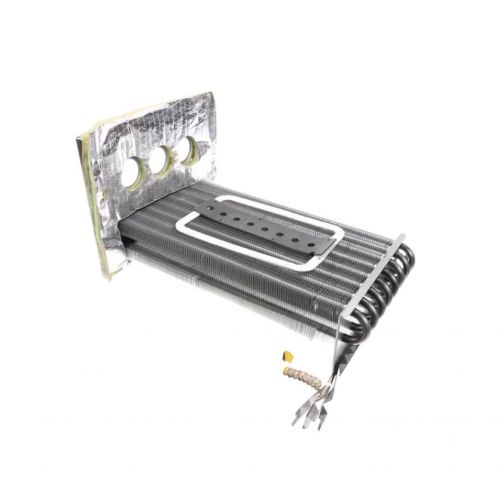
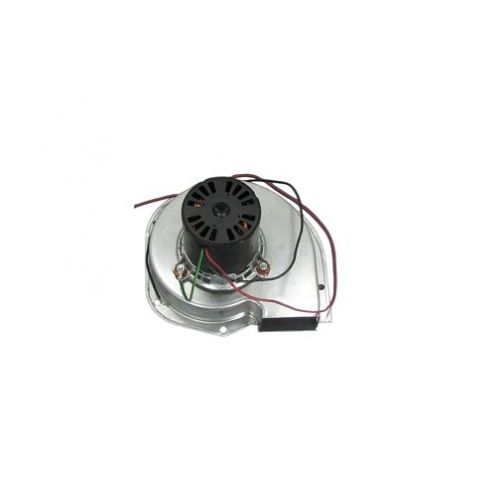
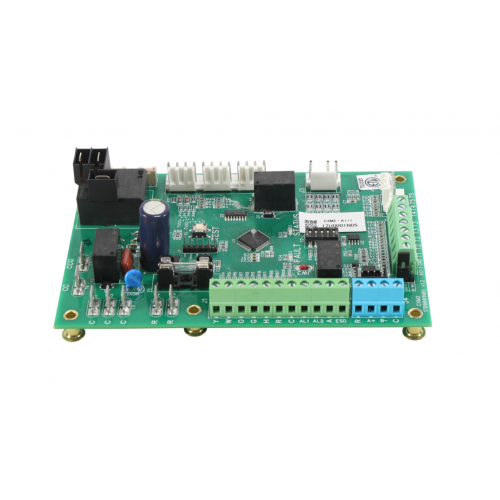
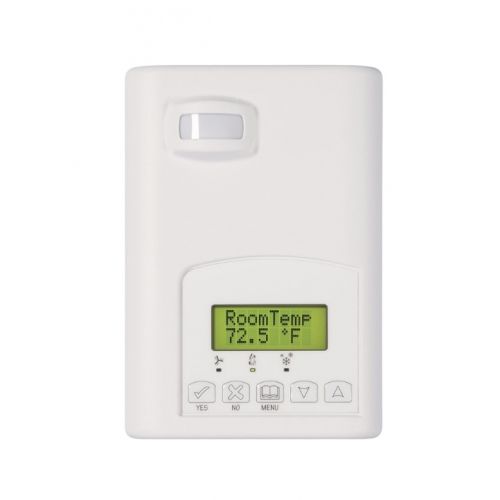
Planning to upgrade your home with energy-efficient heating systems? Shop HVAC parts and supplies from PartsHnC. We offer heat pump parts, including compressors, fans, thermostats, coils, and control systems. from top brands like Carrier, Goodman, Rheem, Lennox, and York, with fast delivery straight to your door!
How Much Does Heat Pump Installation Cost?
Heat pump installation prices vary by system type. The table below shows the average installation costs.
Average Heat Pump Cost by Type
|
Heat Pump Type |
Unit Cost |
Installation Cost |
Total Cost |
|
Air-source |
$2,000 - $7,000 |
$1,000 - $4,000 |
$3,000 - $11,000 |
|
Geothermal |
$2,800 - $9,000 |
$2,200 - $11,000 |
$5,000 - $20,000 |
|
Solar |
$2,200 - $9,500 |
$1,300 - $11,000 |
$3,500 - $19,500 |
|
Hybrid |
$2,000 - $8,200 |
$1,000 - $5,500 |
$3,000 - $13,700 |
|
Ductless mini-split |
$1,000 - $4,000 |
$500 - $5,000 |
$1,500 - $8,000 |
Installation costs can also differ before and after available incentives. The table below compares typical costs for major heat pump system configurations.
Typical Costs Before and After Incentives
|
Heat Pump System |
Typically Costs Before Incentives |
Typically Costs After Incentives |
|
Ducted Heat Pump |
$14,529 |
$13,527 |
|
Ductless Heat Pump |
$25,957 |
$23,157 |
|
Hybrid (Heat Pump + Furnace) |
$14,353 |
$10,695 |
|
All Heat Pump Types |
$15,393 |
$14,153 |
Note: A heat pump installation estimate can vary based on the heat pump type, system size, labor, and installation requirements.
Find out how to size a ductless heat pump: step-by-step guide.
9 Factors That Affect Heat Pump Installation Cost
Heat pump installation costs vary by home and installation needs. Below are the key factors that can affect the overall cost.
-
System Type: System type also affects the overall heat pump installation cost, with ducted systems, ductless mini-splits, and hybrid setups having different installation requirements.
-
Home Size and Capacity: Square footage dictates the tonnage and BTUs required; larger homes need bigger, more expensive equipment.
-
Efficiency Ratings: SEER2 and HSPF2 ratings measure efficiency; high-efficiency or variable-speed models cost more upfront but lower monthly bills.
-
Ductwork Condition: Existing ducts that are leaky, damaged, or missing require extensive repair, cleaning, or total replacement.
-
Electrical Upgrades: A panel upgrade may be needed if the existing system lacks enough capacity for the heat pump and other household loads.
-
Local Climate: Cold-weather regions may require supplemental backup heat sources or specialized low-temperature models.
-
Labor Rates: Contractor pricing fluctuates based on regional labor markets and the complexity of the physical installation.
-
Permits and Inspections: Local municipal fees add administrative costs depending on regional building codes.
-
Refrigerant Line Length: Longer or more complex refrigerant line runs can increase material and labor costs, especially when the outdoor and indoor units are positioned far apart.
How to Save Money on Heat Pump Installation
Smart installation decisions can help reduce upfront heat pump costs without compromising system performance. Here are practical ways to save:
-
Compare Installation Quotes: Request estimates from multiple qualified contractors to compare equipment, labor, and installation charges.
-
Choose the Right System Configuration: Selecting a system that fits your home's existing setup can help minimize additional ductwork, electrical modifications, or structural changes.
-
Limit Unnecessary Installation Work: Review the proposed installation scope and avoid optional modifications or accessories that do not provide value for your specific setup.
-
Rebates and Incentives: Federal Section 25C tax credits, which offered 30% of project costs up to $2,000, expired on December 31, 2025. However, qualifying households may still access Home Energy Rebates of up to $8,000 for low-income households and $4,000 for moderate-income households, along with state and utility incentives.
-
Plan the Installation Location: Choosing practical locations for indoor and outdoor units can reduce the need for extensive line routing, wall modifications, or difficult access work.
-
Consider Existing Components: Compatible thermostats, electrical connections, ductwork, or mounting equipment may sometimes be reused, reducing replacement costs.
Money-Saving Tip: Coordinate any required electrical upgrades with the heat pump installation to avoid paying separate service charges.
Watch whole-house heat pumps: the key to cost-effective home heating and cooling to discover how they can improve comfort and energy efficiency.
Summary: Balancing Heat Pump Installation Costs With Long-Term Savings
A heat pump is a significant upfront investment, but careful installation planning can help control costs. Choosing the right system and avoiding unnecessary installation work can improve overall value. Long-term energy savings can also help offset the initial expense.
Key Takeaways
-
Compare Total Costs: Consider equipment, labor, materials, and installation requirements together.
-
Choose the Right System: Match the heat pump type and configuration to your home's needs.
-
Evaluate Installation Requirements: Ductwork, electrical work, and site conditions can significantly affect costs.
-
Avoid Unnecessary Upgrades: Replace or modify existing components only when required for compatibility or performance.
-
Consider Long-Term Efficiency: A properly selected and installed system can help reduce ongoing energy expenses.
-
Prioritize Proper Installation: Quality installation supports efficient operation, system performance, and long-term value.
FAQs
How Much Does It Cost to Install a Heat Pump in a 2,000-Square-Foot Home?
Installation can cost several thousand dollars, depending on the system, labor, and home requirements.
Do I Need New Ductwork When Installing a Heat Pump?
No, existing ductwork can often be reused if it is properly sized and in good condition.
How Long Does Heat Pump Installation Take?
Most standard installations take about one to two days. Complex projects may require additional time.
Are There Tax Credits or Rebates for Heat Pump Installation?
Eligible homeowners may qualify for federal, state, local, or utility incentives. Program requirements and amounts vary.
Can You Install a Heat Pump Without Existing Ductwork?
Yes, ductless heat pumps can provide heating and cooling without traditional ductwork. They are suitable for many homes without existing ducts.
|
Disclaimer: Prices, incentives, and installation requirements may vary by location, system type, contractor, and project conditions. Always verify current costs and available programs before making installation decisions. |