Loyalty Program

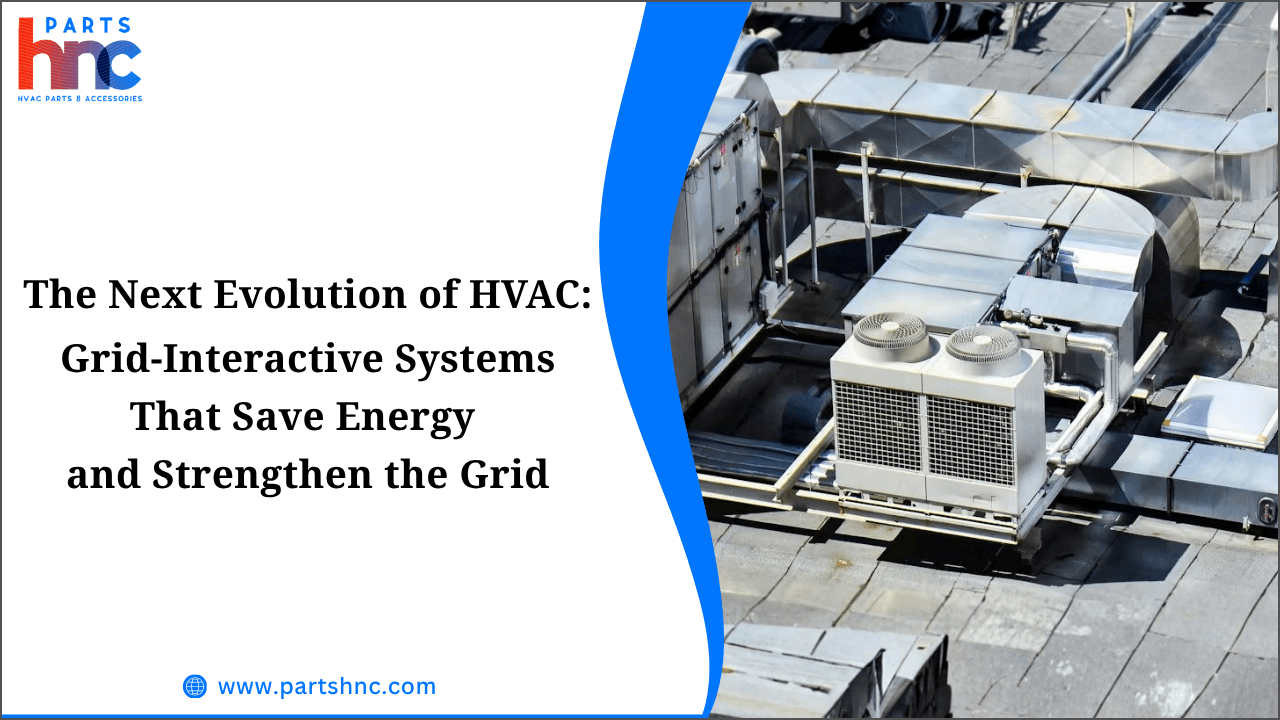
The Next Evolution of HVAC: Grid-Interactive Systems That Save Energy and Strengthen the Grid
Grid-interactive HVAC systems are transforming the future of heating and cooling by going beyond traditional energy efficiency. Using smart controls, artificial intelligence (AI), and demand response technology, these advanced systems communicate with the power grid to optimize energy consumption, reduce electricity costs, and maintain indoor comfort more intelligently.
As homes and commercial buildings become increasingly connected, grid-interactive HVAC systems are emerging as a key component of modern energy management. They not only improve operational efficiency but also support renewable energy integration, strengthen grid stability, and help create a more sustainable and resilient energy future.
What Is a Grid-Interactive HVAC System and How Does it Work?
A grid-interactive HVAC system is a next-generation climate control setup that dynamically negotiates energy use with the grid while continuously tuning indoor conditions for efficiency and resilience.
Here are the working principles:
-
Grid Signal Synchronization: HVAC units interpret frequency and pricing signals to subtly reshape their operating intensity in real time.
-
Thermal Momentum Utilization: Systems exploit building heat retention curves to pre-condition spaces instead of reacting instantly.
-
Adaptive Load Elasticity: Cooling and heating output flexes like a “rubber band” expanding or contracting based on grid stress.
-
Predictive Discomfort Buffering: AI anticipates comfort thresholds and adjusts temperature pre-emptively before human perception changes.
-
Distributed Compressor Coordination: Multiple units synchronize cycles to avoid simultaneous power spikes across zones.
-
Carbon-Aware Scheduling Logic: Operation timing shifts based on the carbon intensity of electricity, not just price.
This creates a living, responsive HVAC ecosystem that behaves more like an energy participant than a passive appliance.
Core Key Technologies Driving Grid-Interactive HVAC Systems
Grid-interactive HVAC systems use digital intelligence, sensing infrastructure, and advanced mechanical technologies to transform buildings into adaptive, grid-responsive assets. These core technologies include:
-
Artificial Intelligence (AI): Optimizes HVAC loads using weather, occupancy, and pricing data. It pre-cools buildings during low-cost hours ahead of predicted peak demand and high tariffs.
-
IoT Sensors: Provide real-time monitoring of temperature, humidity, occupancy, and air quality. Systems reduce airflow instantly when spaces become unoccupied to avoid wasted energy.
-
Building Automation Systems (BAS): Coordinate HVAC, lighting, and ventilation to improve overall efficiency. They synchronize equipment schedules and reduce energy use during low occupancy.
-
Automated Demand Response: Adjusts HVAC loads automatically based on utility grid signals. Cooling output is reduced during peak demand events while maintaining comfort limits.
-
Variable-Speed Inverters: Continuously modulate motor speeds to match thermal demand. Compressors operate at partial loads instead of cycling, reducing energy spikes.
-
Thermal Energy Storage: Stores cooling or heating energy during off-peak periods for later use. Ice or chilled water produced at night is used during daytime peaks.
-
Edge Computing: Enables local, real-time HVAC decisions without cloud reliance. Equipment reacts instantly to temperature changes, even during network outages.
-
Open Communication Protocols: Standards like BACnet and OpenADR enable seamless coordination between utilities and HVAC systems. Price or grid signals automatically trigger energy-saving modes.
Find out how smart thermostat integration technology: enhancing HVAC performance and reducing energy costs.
Energy-Saving Strategies for Implementing Grid-Interactive HVAC Systems
Grid-interactive HVAC systems optimize energy use based on grid conditions, reducing costs, lowering peak demand, and improving efficiency. The key strategies for achieving these benefits consist of:
Core Energy-Saving Practices
-
Smart Demand Response: Automatically adjust thermostat setpoints during peak electricity pricing or high grid demand to reduce energy consumption.
-
Thermal Energy Storage: Store cooling energy by producing chilled water or ice during off-peak hours when electricity rates are lower, then use it during peak periods.
-
Predictive Pre-Cooling: Cool indoor spaces before peak demand begins using weather forecasts, occupancy schedules, and grid pricing data.
-
Variable Speed Drives: Optimize compressor, fan, and pump speeds to cut fan energy use by up to 50% according to real-time cooling requirements instead of operating at full capacity.
-
Localized Zoning: Direct cooling only to occupied areas and reduce airflow to unused zones during high-demand grid events to save nearly 15% to 30% on HVAC energy.
Advanced Control Methods
-
Bi-Directional Communication: Integrate OpenADR or similar communication protocols to automatically respond to utility price signals and demand response events.
-
Machine Learning Models: Analyze historical building performance, occupancy patterns, and weather conditions to optimize HVAC energy usage throughout the day.
-
Coordinated Device Cycling: Stagger the operation of multiple HVAC units to avoid simultaneous power spikes, reducing peak electrical load transients by approximately 50% to 90% while maintaining occupant comfort.
-
Co-Optimization with Solar: Schedule energy-intensive cooling operations during periods of maximum on-site solar power generation to reduce grid dependence.
-
Real-Time Diagnostics: Continuously monitor sensors and system performance to detect faults early, preventing unnecessary energy waste and maintaining peak efficiency.
System Integration Insight:
Success depends on integrating separate HVAC components into a unified, interoperable ecosystem. Standardized communication protocols like OpenADR enable building automation systems to receive real-time grid signals from utilities and automatically execute load-shedding strategies without manual intervention.
Explore decarbonization and electrification in HVAC: steering towards eco-friendly practices.
Challenges and Considerations for Implementing Grid-Interactive HVAC Systems
Deploying grid-interactive HVAC systems requires addressing several technical and operational challenges to ensure reliable performance, energy savings, and effective grid support. Some of the common implementation challenges are:
1. Accurate Load Flexibility Prediction: Estimating HVAC load reduction potential during grid events is essential for demand response participation. Advanced forecasting models help predict available flexibility and improve system performance.
2. Measurement and Verification Requirements: Reliable M&V methods are needed to measure actual energy reductions, compare expected and achieved performance, and support accurate evaluation of grid services.
3. Integration with Existing HVAC Systems: Implementing grid-interactive features in older HVAC systems, especially Variable Air Volume (VAV) systems, requires careful assessment of equipment, controls, and operational limitations.
4. Control and Optimization: Intelligent control strategies and optimization algorithms help balance energy efficiency, grid requirements, and occupant comfort while maintaining stable HVAC operation.
5. Cybersecurity and Reliability: Connected HVAC systems require secure communication networks and robust controls to prevent failures and ensure dependable operation.
6. Energy Efficiency and Demand Flexibility: Combining efficient HVAC technologies with demand response strategies helps reduce energy consumption, emissions, and peak grid stress.
7. Building Sector Role: As major electricity consumers, buildings can support grid stability by using smart HVAC systems for demand flexibility and grid services.
Addressing these challenges will enable wider adoption of grid-interactive HVAC systems and support a more flexible, efficient, and sustainable energy future.
Summary: Advancing Toward a Smarter Energy Future with Grid-Interactive HVAC
Grid-interactive HVAC systems are transforming buildings into smarter energy assets by optimizing heating and cooling based on grid conditions, energy demand, and real-time data. By combining AI, IoT, and advanced controls, these systems reduce energy costs, improve efficiency, and support grid reliability. As energy needs continue to evolve, grid-interactive HVAC plays a key role in creating more sustainable and resilient buildings.
Key Takeaways:
-
Grid-interactive HVAC systems adjust energy use based on real-time grid conditions and demand signals.
-
Smart controls, AI, and IoT technologies improve HVAC efficiency and occupant comfort.
-
Demand response and load shifting help reduce peak energy consumption and electricity costs.
-
Seasonal optimization supports efficient cooling in summer and heating in winter.
-
These systems help integrate renewable energy and strengthen grid stability.
-
Grid-interactive HVAC is a major step toward smarter, more sustainable energy management.
Looking for the right HVAC parts for your equipment upgrade? Explore premium HVAC parts and supplies at PartsHnC. Shop a wide range of HVAC replacement components, including compressors, condenser coils, evaporator coils, fan motors, blower assemblies, control boards, and sensors from leading brands like Carrier, Trane, Daikin, and Lennox, with fast and convenient delivery straight to your doorstep.
References:
https://naseo.org/data/sites/1/documents/publications/v3-final-updated-geb-doc-10-30.pdf
https://www.energy.gov/cmei/buildings/grid-interactive-efficient-buildings
https://rmi.org/our-work/buildings/pathways-to-zero/grid-interactive-energy-efficient-buildings/
FAQs
What makes HVAC systems “grid-interactive” instead of just “smart”?
Smart HVAC systems optimize comfort locally using sensors and schedules. Grid-interactive systems also respond to utility signals like grid demand and pricing, allowing them to actively support the power grid.
Can grid-interactive HVAC systems actually reduce strain on the electrical grid?
Yes. They shift or reduce HVAC load during peak demand, lowering pressure on the grid and reducing reliance on peaker plants.
Are grid-interactive HVAC systems dependent on internet connectivity?
They use cloud connectivity for coordination, but local controllers keep the HVAC running normally even if the internet goes down.
|
Disclaimer: The information provided in this article is intended for educational and informational purposes only. HVAC technologies, grid-interactive systems, and energy management solutions vary by application, location, and building requirements. |