Loyalty Program

MRCOOL DIY vs Traditional HVAC Systems: Which One Saves You More?
MRCOOL DIY systems are quickly changing how homeowners approach heating and cooling, offering a simpler and more affordable alternative to traditional HVAC installations. With easy setup, no professional labor costs, and strong energy efficiency, they promise comfort without the usual installation headaches.
But when compared to traditional HVAC systems, which are known for dependable performance and whole-home coverage, the real question is which option delivers greater long-term savings. From upfront costs to energy bills and maintenance, this guide breaks down which system truly gives homeowners the better value.
What Is a MRCOOL DIY HVAC System?
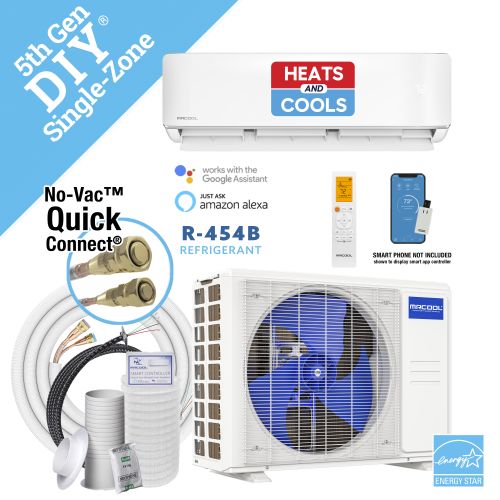
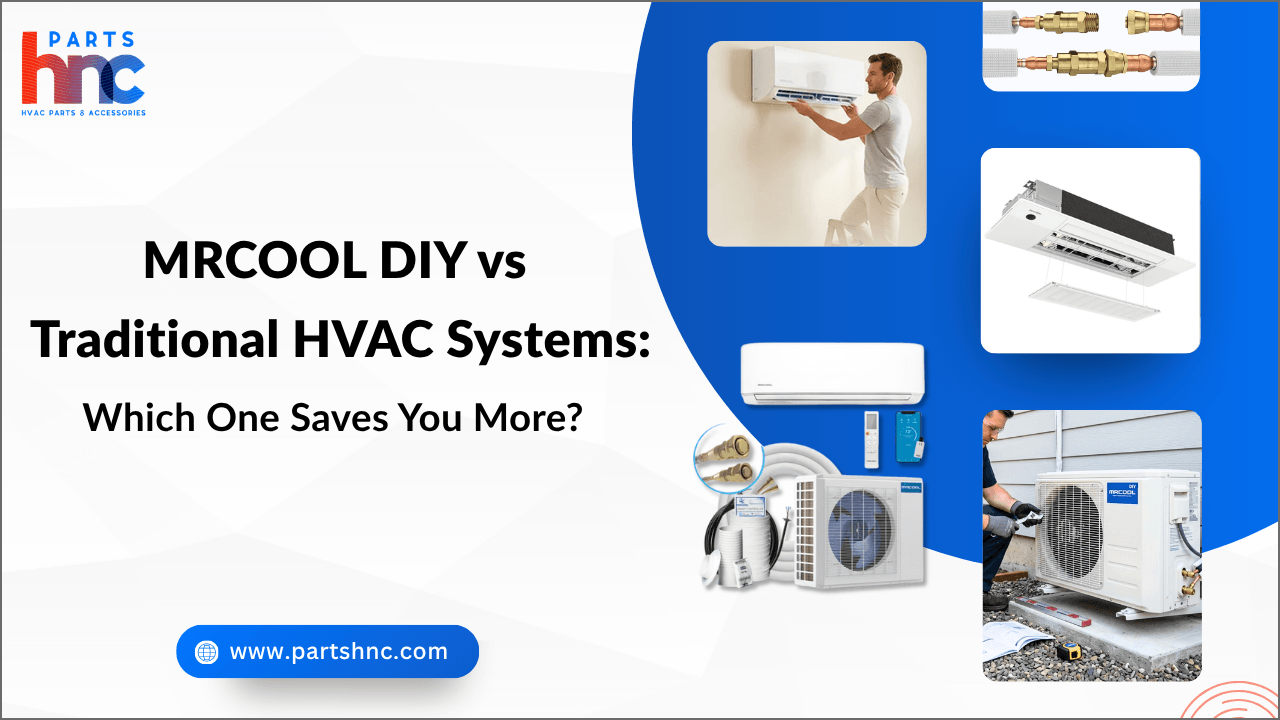
An MRCOOL DIY HVAC system is a ductless mini-split heating and cooling solution designed specifically for homeowners who want to install the system themselves without hiring a licensed HVAC technician.
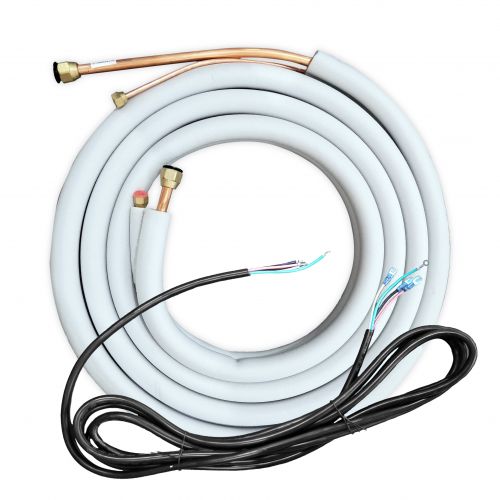
Unlike traditional central air conditioning systems, MRCOOL DIY units utilize pre-charged refrigerant lines and simplified setup components, which reduce installation complexity. Many homeowners can complete the setup using basic tools.
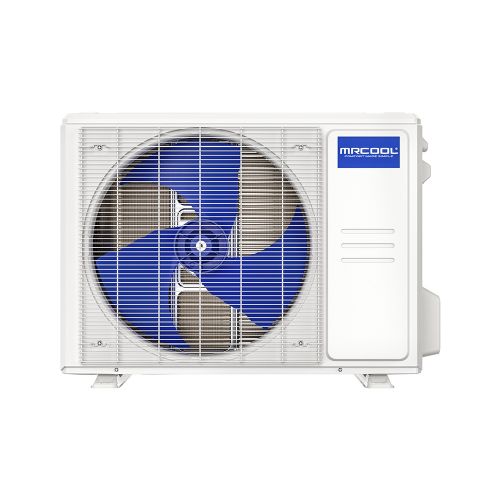
The MRCOOL DIY mini split lineup includes single-zone and multi-zone configurations with advanced inverter heat pump technology for efficient heating, cooling, and room-by-room comfort.
What Is a Traditional HVAC System?
A traditional HVAC system refers to centralized heating and cooling systems commonly found in residential homes. These systems typically include:
-
Furnace or heat pump
-
Central air conditioning system
-
Extensive ductwork
-
Thermostat controls
-
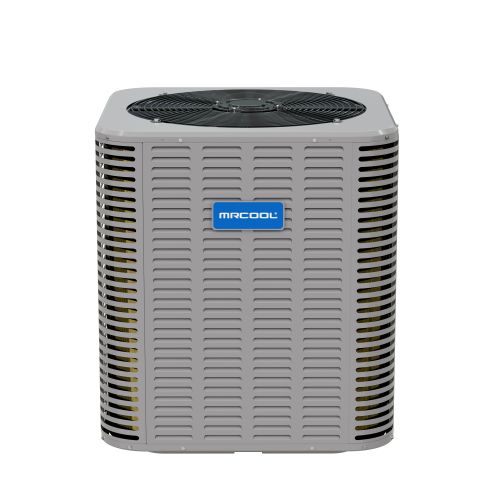
Indoor and outdoor HVAC equipment
Traditional systems distribute conditioned air through ducts installed throughout the home. They have been the standard heating and cooling solution for decades and are used in buildings with existing duct infrastructure.
MRCOOL DIY vs Traditional HVAC Systems: Cost, Efficiency, and Performance Comparison
MRCOOL DIY and traditional HVAC systems differ in cost, efficiency, and performance. MRCOOL DIY offers lower installation costs with zoned ductless cooling, while traditional HVAC systems focus on whole-home climate control with higher upfront costs. Key differences are explained below.
Detailed Cost Breakdown
The total cost of an HVAC system includes equipment, labor, infrastructure, and long-term maintenance. Comparing total ownership cost provides more value than evaluating HVAC installation cost alone.
|
Cost Component |
MRCOOL DIY Systems |
Traditional HVAC Systems |
|
Equipment Cost |
Around $2,329–$3,769 for single-zone systems (9K–36K BTU); multi-zone systems increase based on the number of indoor units and configurations. |
Approximately $2,500–$6,500+, depending on system size, brand, and efficiency rating. |
|
Installation Labor |
Estimated $0 (DIY installation using pre-charged Quick Connect refrigerant line sets).
|
Typically part of the total installed cost; overall HVAC installation ranges from $5,000 to $15,000+, with labor varying based on system size, ductwork, and regional pricing |
|
Ductwork (if needed) |
Not required (ductless system eliminates duct installation costs) |
Significant cost increase if new ductwork is installed or existing ducts require replacement. |
|
Tools & Equipment |
Minimal homeowner tools required; no vacuum pump or refrigerant charging equipment needed |
Professional HVAC tools required (vacuum pumps, gauges, refrigerant recovery/charging equipment) |
Efficiency Comparison
This comparison focuses on measurable energy performance, airflow delivery, and overall HVAC energy savings under varying heating and cooling demands.
|
Efficiency Factor |
MRCOOL DIY Systems |
Traditional HVAC Systems |
|
Energy Efficiency |
Typically 17–24 SEER2 with inverter-driven operation and no duct losses |
Efficiency varies by model; duct leakage may reduce delivered efficiency |
|
Energy Loss |
Minimal distribution loss because conditioned air is delivered directly |
Duct systems may experience airflow and thermal losses |
|
Zoning Capability |
Independent room-by-room control reduces unnecessary energy use |
Whole-home control unless additional zoning equipment is installed |
|
Partial Load Performance |
Variable-speed operation adjusts output based on demand |
Some conventional systems cycle on and off more frequently |
Understanding SEER rating-explained metrics can help homeowners compare cooling efficiency more accurately.
Performance Comparison
This comparison evaluates how each system performs in real usage conditions, including comfort control, airflow distribution, operating noise, and reliability across different environments.
|
Performance Factor |
MRCOOL DIY Systems |
Traditional HVAC Systems |
|
Heating & Cooling Coverage |
Designed for individual rooms, additions, and zoned spaces |
Designed for consistent whole-home temperature management |
|
Temperature Consistency |
Customized comfort by room |
More uniform temperature distribution across the home |
|
Cold Weather Operation |
Hyper Heat models maintain performance in sub-freezing conditions |
May require supplemental heating in colder climates |
|
Indoor Air Distribution |
Direct delivery without ducts |
Centralized airflow through a duct network |
|
Noise Levels |
Generally quieter indoor operation |
Noise levels vary depending on duct airflow and equipment placement |
|
System Lifespan |
Typically 10–15 years with regular maintenance |
Typically 15–20+ years, depending on system design and maintenance |
Planning to upgrade your home comfort with an MRCOOL DIY HVAC system? Explore essential MRCOOL HVAC components like air handlers, condensers, line sets, geothermal heat pumps, split system heat pumps, and smart thermostats for complete home climate control at PartsHnC, where you can shop HVAC parts and supplies with fast shipping straight to your doorstep!
Why Homeowners Are Choosing MRCOOL DIY Systems for Affordable Heating and Cooling
Many homeowners are seeking ways to reduce energy costs without compromising comfort, which is why MRCOOL DIY systems are gaining rapid attention. Here are the main reasons:
1. Lower Installation Cost: MRCOOL DIY systems reduce installation expenses by eliminating labor costs through Quick Connect® pre-charged lines, allowing installation without professional tools or certification.
2. High Energy Efficiency: DC inverter technology adjusts compressor speed instead of cycling on and off, achieving high SEER2 efficiency and reducing energy consumption and energy bills by approximately 30%–50%.
3. No Duct Losses: Traditional HVAC systems can lose a significant amount of air through duct leakage, while MRCOOL ductless systems deliver air directly into rooms.
4. Zoned Comfort Control: Multi-zone setups allow homeowners to heat or cool only occupied rooms, reducing wasted energy in unused spaces.
5. Extreme Weather Performance: Hyper heat models operate efficiently in temperatures as low as nearly -22°F, making them suitable for cold climates.
6. Smart Features & Rebates: Built-in Wi-Fi, Alexa/Google integration, and smart scheduling improve efficiency, while Energy Star certification can qualify users for tax credits and utility rebates.
Explore the top 9 benefits of MRCOOL DIY heat pumps you should know before buying.
Summary: Which HVAC System Is the Better Investment for Your Home?
Choosing between an MRCOOL DIY HVAC system and a traditional HVAC system depends on your needs. MRCOOL DIY offers lower installation costs, higher energy efficiency, and flexible room-by-room control, whereas traditional systems are better suited for larger homes with ductwork, providing centralized heating and cooling performance.
Key Takeaways
-
MRCOOL DIY systems significantly reduce installation costs by eliminating professional labor.
-
Traditional HVAC systems are better suited for large homes with existing ductwork infrastructure.
-
Ductless MRCOOL systems improve energy efficiency by reducing air loss through ducts.
-
Traditional HVAC offers a more uniform whole-home temperature distribution.
-
MRCOOL DIY provides flexible, zoned climate control for individual rooms.
-
Long-term savings with MRCOOL often come from lower energy bills and maintenance costs.
FAQs
How does MRCOOL DIY compare to other brands?
MRCOOL DIY systems are more affordable and easier to install than many traditional HVAC brands. They are designed for homeowners who want a simple setup and energy-efficient performance.
Are mini-splits better than traditional HVAC systems?
Mini splits, also called ductless air conditioner systems, offer greater energy efficiency and room-by-room comfort control, while traditional HVAC systems are often better suited for whole-home heating and cooling.
What is the lifespan of an MRCOOL unit?
MRCOOL units typically last around 10–15 years with proper maintenance. Regular cleaning and servicing can help extend system performance and efficiency.
What should homeowners know about mini split installation?
Mini split installation is typically simpler than conventional HVAC installation because it reduces ductwork and refrigerant setup requirements.
|
Disclaimer: This content is for general informational purposes only. Costs, efficiency ratings, and performance details may vary based on location, installation conditions, product model, and usage. |