Loyalty Program

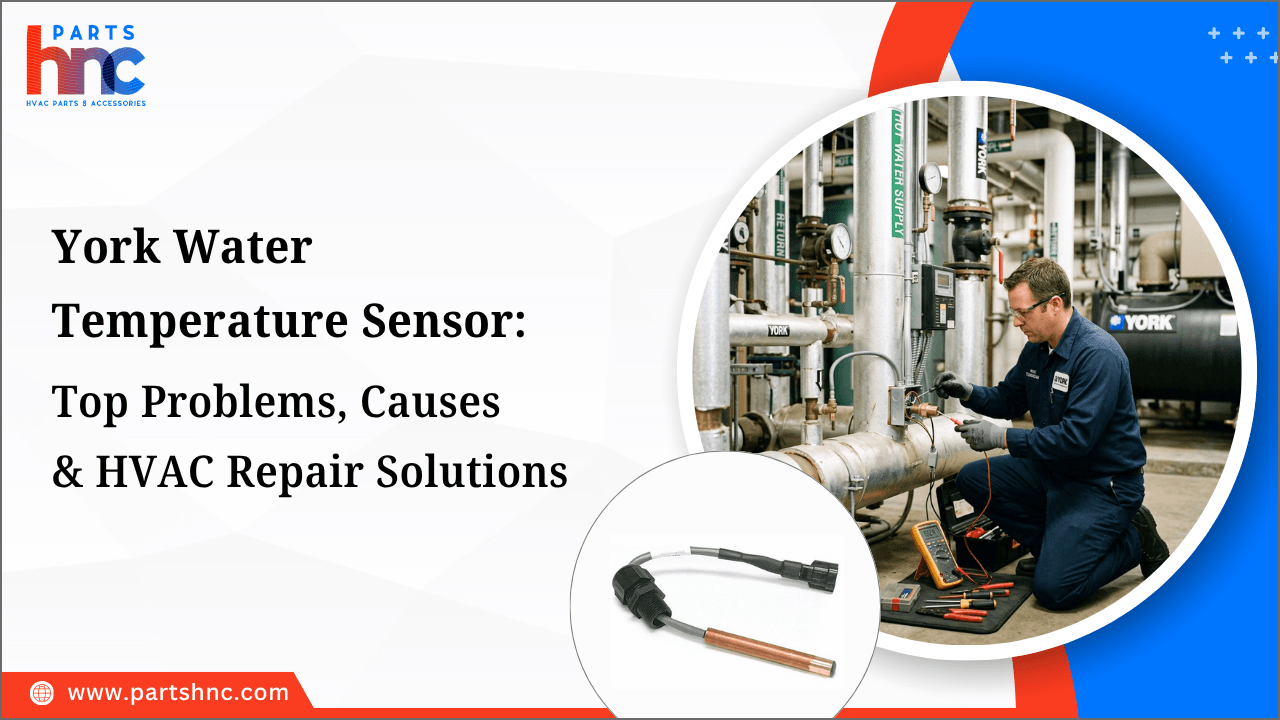
York Water Temperature Sensor: Top Problems, Causes & HVAC Repair Solutions
York water temperature sensors are essential components in air conditioning and HVAC systems, ensuring accurate monitoring and control of water temperature for stable cooling performance. When these sensors begin to fail, they can cause issues such as uneven indoor cooling, system short cycling, or unexpected shutdowns that affect overall comfort and efficiency.
Sensor-related faults account for approximately 18% of AC control issues, making early detection crucial for reducing repair time and minimizing unnecessary energy losses. Common causes include wiring damage, sensor aging, and mineral buildup that distorts readings. With proper diagnostic steps and timely AC repair solutions, system function can be quickly restored and long-term equipment reliability maintained.
What Does a York Water Temperature Sensor Do in HVAC Systems?
In HVAC systems, a York water temperature sensor is used to track and control water temperature in air conditioning units. It helps maintain cooling stability, protect components, and improve operational efficiency. Below are the key functions:
-
Monitors Chiller Water Temperature: It continuously measures chilled water temperature in AC systems. This ensures the system maintains the correct cooling setpoint.
-
Provides Input to Control System: It sends accurate temperature signals to the York chiller controller. The controller uses this data to adjust compressor and valve operation.
-
Maintains Stable Cooling Performance: It helps AC systems deliver consistent cooling output. This prevents temperature fluctuations in conditioned spaces.
-
Improves System Energy Efficiency: It reduces unnecessary cycling of compressors and pumps in York systems. This leads to better energy optimization.
-
Supports Safety and Fault Detection: It helps detect abnormal water temperature conditions early. This allows the York system to trigger alarms or protective shutdowns.
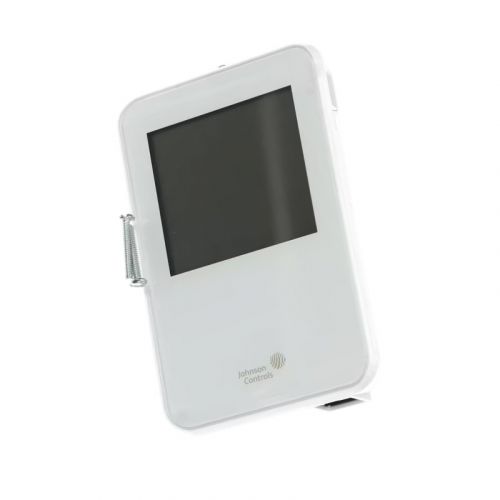
Wondering why your York system is showing incorrect temperature readings? Restore HVAC performance with HVAC parts and supplies from PartsHnC. Shop high-quality York water temperature sensors, temperature probe assemblies, chiller sensor replacements, and HVAC control sensor parts. Fast shipping available to accelerate your repairs.
Common York Water Temperature Sensor Problems
York water temperature sensors in air conditioning (AC) systems can develop several issues that directly affect cooling accuracy, system stability, and protection logic. These problems often lead to false alarms, inefficient cooling performance, or unexpected system shutdowns.
-
Incorrect Temperature Reading Causing False Shutdowns: The sensor may send inaccurate temperature values to the York control system. This can trigger unnecessary system shutdowns even when actual water conditions are normal.
-
Sensor Wiring Damage or Intermittent Connection: Loose terminals, corroded wiring, or physical damage can disrupt the sensor signal. This leads to erratic readings and unstable communication with the controller.
-
Scaling or Poor Sensor Contact Inside Thermowell: Mineral buildup or improper contact inside the thermowell reduces accurate heat transfer. This causes delayed response and incorrect temperature measurement.
-
Intermittent Sensor Failure (Works Sometimes, Fails Randomly): The sensor may function normally at times but fail under vibration or load changes. This leads to unpredictable readings and unstable system operation.
-
Chilled Water Flow Malfunction: Clogged strainers, valve issues, or weak pumps reduce water flow, causing poor heat exchange and weak or unstable cooling. This can also increase system load and lead to higher energy consumption.
Main Causes Behind York Water Temperature Sensor Failure
York water temperature sensor failures are usually caused by installation or system issues rather than sensor defects. In many HVAC systems, these faults often go unnoticed but still lead to unstable readings and control problems. Below are the main causes behind these failures:
1. Leakage Around Sensor Pocket (Thermowell Area): Small leaks around the sensor pocket reduce proper heat transfer between the water and the sensor. This causes delayed or incorrect temperature readings and unstable cooling control.
2. Incorrect Sensor Depth Installation: If the sensor is not installed at the correct depth, it may measure stagnant water instead of actual flow temperature. This results in continuous reading errors and poor system regulation.
3. Pump Pressure Fluctuations: Variable pump pressure creates unstable water flow conditions. This leads to fluctuating temperature readings and unnecessary control adjustments.
4. Air Trapped Near Sensor Tip: Air pockets around the sensor prevent proper water contact. This slows response time and causes inaccurate or delayed temperature detection.
5. Uneven Temperature in Large Pipelines: Poor mixing in large chilled water lines creates temperature variation across the pipe. This results in non-representative readings and incorrect load calculations.
6. Missing or Poor Thermal Paste Contact: Without proper thermal paste or a tight fit, heat transfer between water and the sensor is reduced. This causes slow responses and reduced measurement accuracy.
7. Delayed Signal Response in Control System: Slow sampling or signal processing in the controller can mismatch real temperature changes. This leads to unstable readings and reduced system performance.
Regular inspection and timely maintenance of York AC parts ensure stable temperature control and efficient system performance.
HVAC Repair Solutions for Faulty York Water Temperature Sensors
Faulty water temperature sensors in York HVAC systems require proper corrective actions to restore accurate temperature control and stable operation. The following solutions focus on repair, restoration, and system normalization.
Diagnostic Tools Required:
-
Digital multimeter
-
Clamp meter
-
Infrared thermometer
-
Portable calibrator
-
Pressure gauge set
-
BMS/HVAC service tool
Step 1: Inspect Sensor Wiring Connections
Check all sensor wiring for loose or damaged connections and replace any faulty cables. Measure resistance with a multimeter within the correct NTC range (about 2–5 kΩ or 8–12 kΩ at 25°C) and confirm a stable signal after repairs.
Step 2: Install a New Sensor When Required
If the sensor gives unstable or incorrect readings, replace it with a new York-compatible sensor matching system specifications. Install it correctly and run the system to confirm stable readings.
Step 3: Correct Sensor Positioning
Reinstall the sensor inside the thermowell at the correct depth (2/3 to full insertion) and secure it firmly. Check readings to ensure they stabilize during operation.
Step 4: Service Thermowell Assembly
Clean deposits and ensure proper thermal contact for accurate heat transfer. Keep response time within 30–90 seconds under normal flow.
Step 5: Stabilize Water Flow Conditions
Clean filters and strainers and adjust valves to maintain steady chilled water flow (1.5–3.0 m/s). Verify pump operation and confirm stable flow, then recheck temperature readings.
Step 6: Remove Air from Chilled Water Line
Open the bleed points and release any trapped air from the system. Watch the pressure until it settles in the 1.2–2.5 bar range. Repeat if needed until flow becomes smooth.
Step 7: Reset and Recalibrate Control System
Recalibrate the controller or BMS input to maintain ±1% full-scale accuracy for proper sensor mapping. Test the system under normal load to confirm stable operation.
Safety Note: Always isolate power and follow lockout/tagout procedures before working on sensors or wiring. Improper handling can cause equipment damage or electrical shock. Never open live panels or touch exposed terminals due to high-voltage risk.
Find out how to replace a York AC compressor safely with this simple step-by-step guide.
Summary: Keeping York HVAC Systems Running With Accurate Temperature Sensors
York HVAC systems rely on accurate temperature feedback for stable operation and load balancing. Even small sensor errors can affect control decisions and system performance. Maintaining sensing accuracy ensures stable HVAC operation, reduces repeated cycling, and minimizes overall system stress and inefficiency.
Key Takeaways:
-
Verify sensor response against real operating conditions, not only static readings during shutdown checks.
-
Monitor temperature stability during load transitions, as most hidden sensing issues appear during switching cycles.
-
Cross-check sensor behavior at multiple flow states to detect non-linear response issues.
-
Observe delayed reaction patterns between sensor output and actual chilled water change.
-
Evaluate system stability during partial load operation, not just full load performance.
-
Track recurring small fluctuations in readings as early indicators of deeper hydraulic or installation-related inconsistencies.
FAQs
How to tell if a York water temperature sensor is bad?
You may notice incorrect temperature readings, erratic fluctuations, or system error codes on the display. The HVAC system may also short-cycle or fail to maintain a stable cooling setpoint.
Why is my York water temperature sensor not working?
It usually fails due to wiring issues, corrosion, sensor aging, or moisture damage. In some cases, a faulty control board or loose connection can also prevent proper operation.
How do I reset a York temperature sensor?
There is no direct manual reset for the sensor itself, but you can reset the HVAC system power to clear temporary faults. If the issue remains, the sensor likely needs testing or replacement.
|
Disclaimer: This article is intended for informational and educational purposes only and may not apply to every York HVAC system configuration or operating condition. |