Loyalty Program

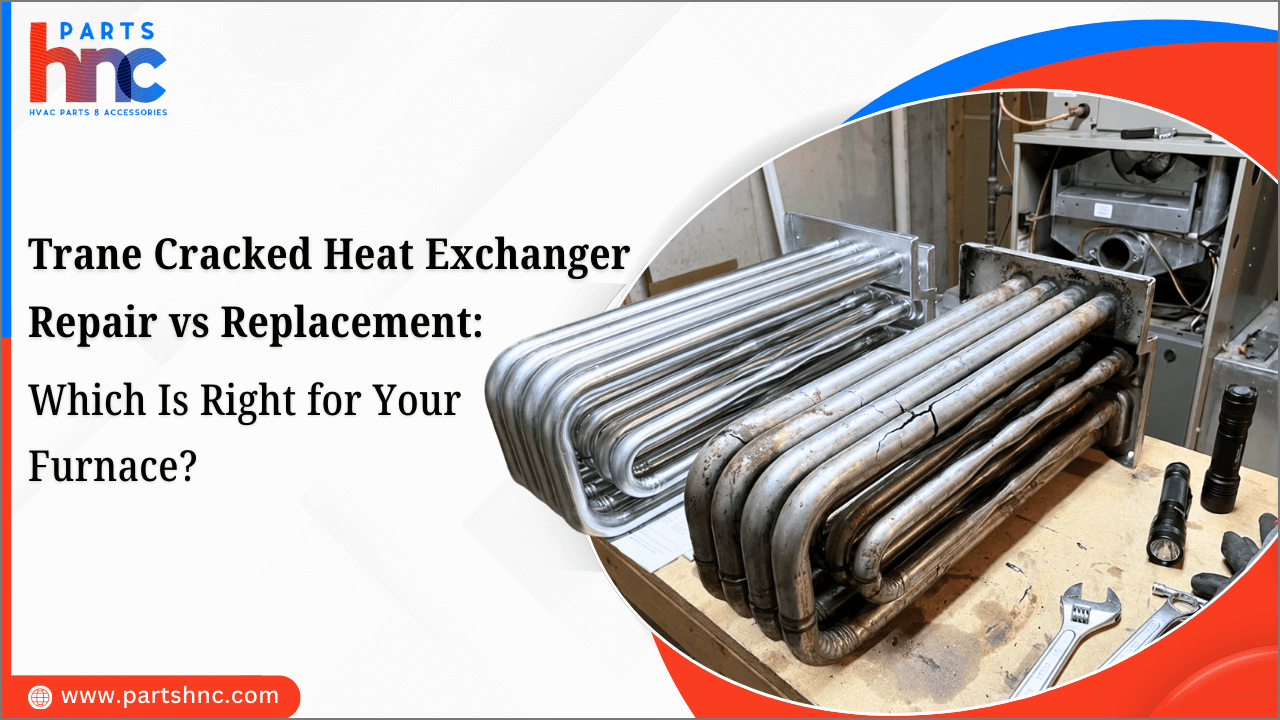
Trane Cracked Heat Exchanger Repair vs Replacement: Which Is Right for Your Furnace?
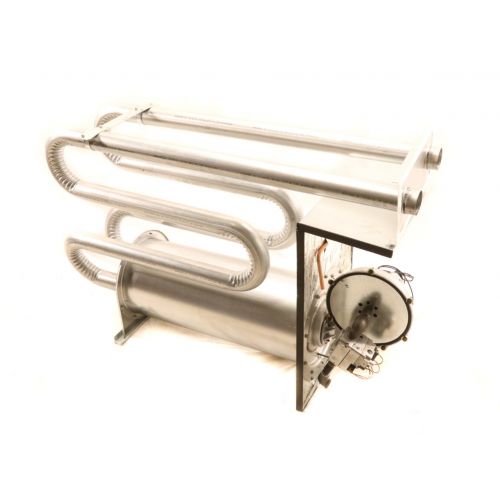
A cracked heat exchanger in your Trane furnace is more than just a mechanical problem; it can impact your residential safety, energy efficiency, and overall comfort. Because the heat exchanger separates combustion gases from indoor air, a properly functioning Trane heat exchanger helps maintain safe air quality in residential settings.
When a crack occurs, homeowners often struggle to decide whether to repair the heat exchanger or replace the furnace entirely. Key factors to consider include the extent of the damage, furnace age, safety risks, cost, and long-term value helping you determine the most reliable solution for your situation.
What a Cracked Heat Exchanger Means for Trane Furnaces
A cracked heat exchanger in a Trane furnace signals more than just a broken part it can reveal underlying system stresses that, if ignored, may lead to safety hazards and costly repairs. Recognizing the signs early is crucial for maintaining efficiency and comfort.
How a Cracked Heat Exchanger Affects:
-
Indicator of Airflow Imbalance: Restricted airflow or repeated cycling creates hot spots that weaken the metal, eventually causing cracks.
-
Heat Irregularities from Burner Issues: Uneven burners or fluctuating gas pressure can overheat areas, stressing the exchanger over time.
-
Disrupts Furnace Pressurization Dynamics: A compromised exchanger changes internal pressure, affecting how exhaust gases flow through vents.
-
Accelerates Corrosion in Adjoining Parts: Even small cracks expose metal to moisture and combustion byproducts, promoting rust on nearby components.
-
Skews Thermostat Response Patterns: Heat output becomes inconsistent, causing unpredictable temperature swings throughout the home.
-
Obscures Diagnostic Clarity: Error codes may mislead technicians, making it harder to identify the exchanger as the root problem.
-
Complicates Zoning and Modulation Systems: Uneven heat output can disrupt variable-speed blowers and zoned ductwork performance.
Wondering how to repair your furnace heat exchanger quickly? Explore high-quality HVAC repair parts for residential units from PartsHnC. We carry heat exchangers, burners, control modules, and more for top furnace brands like Trane, Carrier, Lennox, and Goodman, with fast shipping to keep your system safe, efficient, and performing at its best every time.
Common Causes of Heat Exchanger Cracks in Trane Systems
Understanding the common causes of a Trane cracked heat exchanger can help prevent costly repairs and safety risks. Identifying these issues early ensures your residential furnace operates efficiently and reliably.
Key Causes of Heat Exchanger Cracks:

| Safety Reminder: Minor thermal shocks, residue, or vibrations can silently crack a Trane heat exchanger, distorting heat flow and stressing components. Hidden fissures can corrode sensors and reduce efficiency long before visible signs appear. Professional inspections are essential to prevent safety risks and costly damage. |
Find out how to troubleshoot Trane heat exchanger problems in commercial HVAC systems and keep your units running safely, efficiently, and reliably.
Safety Risks of Operating a Trane Furnace with a Cracked Heat Exchanger
Running a Trane furnace with a cracked heat exchanger is not just about efficiency loss it can trigger subtle, often unnoticed hazards that impact both system integrity and indoor safety.
Operational Risks of a Cracked Trane Heat Exchanger:
-
Hidden Carbon Accumulation: Tiny-cracks can let small amounts of combustion gas leak into the furnace cabinet, creating low-level CO exposure over time.
-
Localized Metal Overheating: Cracks disrupt heat flow, causing certain areas to overheat and potentially warp internal components.
-
Compromised Airflow Patterns: Leaks in the exchanger can distort airflow, stressing fans, blowers, and ductwork unpredictably.
-
Accelerated Corrosion of Critical Sensors: Gas leaks or moisture near cracks can corrode flame sensors, limit switches, and control boards.
-
Silent Expansion of Cracks: Operating under load allows existing fissures to grow gradually, weakening the heat exchanger’s structure.
-
Secondary Fire Hazards: Overheated metal surfaces combined with trapped dust or lint can create ignition points rarely considered in standard warnings.
Caution: Tiny fissures in a Trane heat exchanger can quietly compromise airflow, cause uneven heating, and weaken critical components over time. Left unchecked, these hidden cracks may lead to sudden system failures, reduced efficiency, and potential carbon monoxide exposure. Scheduling timely professional inspections is essential to safeguard your furnace and home.
Read how to reset your Trane thermostat to keep your heat exchanger working safely while maximizing residential comfort.
Trane Heat Exchanger Repair vs Replacement: Key Factors to Compare
When a furnace develops cracks in its heat exchanger, homeowners face a critical decision: repair or Trane heat exchanger replacement. Understanding the long-term impact of each option helps maintain safety, efficiency, and cost-effectiveness.
|
Factors |
When to Repair |
When to Replace |
|
Thermal Fatigue |
If small, isolated stress fissures are detected early and the metal isn’t warped. |
If widespread metal fatigue or warping has occurred over repeated heating cycles. |
|
Uneven Flame Damage |
If minor localized weakening is caused by slight burner inconsistencies. |
If multiple thin spots or unpredictable heating zones have formed. |
|
Internal Residue Buildup |
If thin layers of soot or deposits are present and cracks are minor. |
If thick residue has accumulated, causing uneven thermal expansion. |
|
Vibration Cracks |
If small fissures near welds are detected and mounts are secure. |
If multiple vibration points or loose mounts have caused widespread cracking. |
|
Localized Overheating |
If minor hotspots are detected via thermal imaging and the metal remains intact. |
If extensive hotspots have distorted metal or compromised airflow. |
|
Zoning / Modulation Issues |
If minor uneven heat output is affecting a small area and the exchanger is structurally sound. |
If uneven heat output is affecting multiple zones or variable-speed systems. |
| Disclaimer: Heat exchangers contain critical components like metal walls, welds, and burners that can fail under thermal stress, vibration, or residue buildup. The repair vs. replacement guidance is for reference only—always have a licensed HVAC technician evaluate the unit. |
Contact an HVAC Technician If You Notice Any of These Signs:
-
Furnace cycles faster or slower than usual without thermostat changes
-
Irregular metallic or expansion noises during heating
-
Sudden increases in fuel or energy consumption
-
Heat that is unevenly distributed across rooms
-
Unusual discoloration or streaks around vents
-
Early signs of corrosion or moisture near the heat exchanger
Summary: Choosing the Right Long-Term Solution for Your Trane Furnace
Deciding between Trane heat exchanger repair or replacement requires balancing safety, cost, and system longevity. While repairs may offer a short-term fix for minor issues, replacement ensures consistent performance, eliminates hidden risks, and extends the life of your furnace. Evaluating the severity of the crack, the age of your furnace, and potential efficiency losses can help determine the most effective long-term solution.
Key Takeaways:
-
Small, isolated cracks may be safely repaired if the metal is otherwise intact.
-
Widespread damage or warped metal usually requires full replacement for safety.
-
Replacement restores system efficiency and ensures even heat distribution.
-
Repairs can save money short-term but may lead to repeated service needs.
-
Furnace age and operational stressors should guide repair vs. replacement decisions.
-
Prioritizing safety eliminates hidden risks like carbon monoxide exposure and structural failure.
FAQs
How Does a Heat Exchanger Keep a Trane Furnace Cool?
The heat exchanger transfers heat from combustion gases to the air without letting the gases mix with indoor air. It keeps the furnace safe by channeling hot gases out while preventing overheating of internal components.
How Much Does a Trane Heat Exchanger Cost?
A Trane heat exchanger typically costs between $800 and $1,500 for the part alone. Labor and installation can add $500–$1,000 depending on the complexity of the furnace system.
How to Clean a Secondary Heat Exchanger on a Trane Furnace?
Turn off the furnace and allow it to cool completely before accessing the secondary exchanger. Use a soft brush or vacuum to remove dust, debris, and soot without damaging the metal surfaces.