Loyalty Program

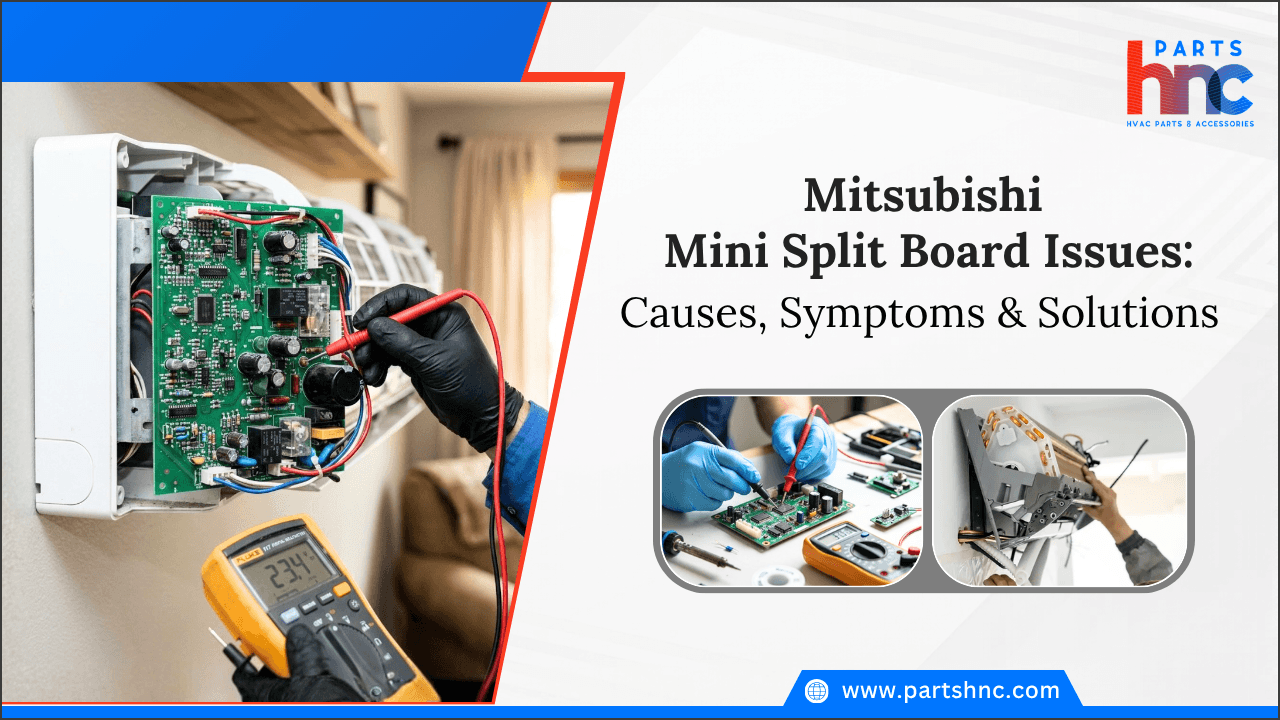
Mitsubishi Mini Split Board Issues: Causes, Symptoms & Solutions
If your Mitsubishi mini split system isn’t working as expected, the control board could be the hidden culprit. The control board acts as the brain of the unit, managing communication between components and ensuring smooth operation. When it fails, you may notice error codes, unresponsive controls, or inconsistent cooling and heating performance. Understanding the causes behind these issues is key to preventing costly repairs and downtime.
In this article, we’ll break down common Mitsubishi mini split board issues, their symptoms, and practical solutions to help you diagnose problems quickly and keep your system running efficiently.
Understanding Mitsubishi Mini Split Control Board Function
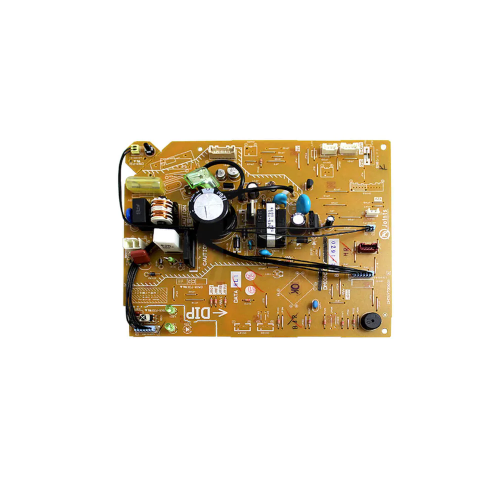
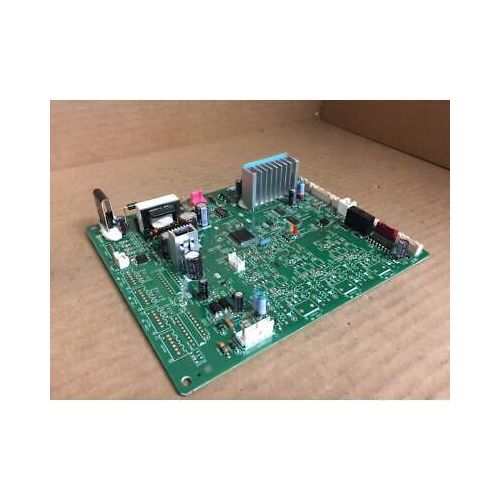
The control board in a Mitsubishi mini split system is a vital electronic module that ensures all internal processes run in sync. It acts as the decision-making unit, interpreting system requirements and executing commands to maintain stable operation. By managing timing, load distribution, and system responses, it plays a crucial role in delivering consistent comfort and preventing operational disruptions.
To break down its responsibilities further, here are the key functions of the control board:
-
Input Interpretation: Converts signals from the thermostat and sensors into actionable commands.
-
Operation Sequencing: Controls the start-up and shut-down cycles of system components.
-
Performance Regulation: Adjusts output levels to match cooling or heating demands.
-
Fault Identification: Detects abnormalities and initiates diagnostic alerts.
-
Protective Response: Triggers safeguards during overheating, voltage issues, or overload.
-
Load Management: Balances electrical and mechanical functions for stable performance.
-
Adaptive Control: Supports smart features and variable-speed operation.
-
Unit Synchronization: Keeps indoor and outdoor units operating in harmony.
Looking for reliable Mitsubishi mini split replacement parts to fix system issues fast? Shop HVAC parts and supplies for home and commercial mini split units from PartsHnC. We offer replacement parts like expansion valves, compressors, fan motors, thermostats, coils, and more from top brands such as Mitsubishi Electric, Carrier, Lennox, Nordyne, and more, with fast delivery straight to your door!
Common Causes of Mitsubishi Mini Split Board Issues
Mitsubishi mini split control boards can fail due to subtle issues that are often overlooked. Identifying these common causes early can help prevent costly repairs and reduce system downtime. Below are the key causes to watch for:
-
Voltage Fluctuations and Power Surges: Sudden spikes or drops in voltage can stress sensitive electronic circuits. Repeated exposure weakens components and may eventually lead to board failure.
-
Faulty or Loose Wiring Connections: Poor connections or corroded wires can disrupt communication between indoor and outdoor units. Intermittent signals can cause the board to behave unpredictably.
-
Sensor Failures: Malfunctioning thermistors or pressure sensors can send incorrect data to the control board. Incorrect signals may confuse the system and trigger errors.
-
Moisture and Environmental Exposure: High humidity, condensation, or water ingress can corrode circuits and connectors. Even minor moisture can create intermittent faults or short circuits on the board.
-
Overheating of Components: Excess heat from clogged filters, blocked vents, or poor airflow can damage board components. Prolonged exposure weakens solder joints, ICs, and power transistors.
-
Electrostatic Discharge (ESD) Damage: Static electricity during installation or servicing can harm sensitive PCB components. Even a small discharge may degrade microchips or delicate circuitry over time.
These real-user causes suggest that even the circuit board for mini split can be affected by minor electrical or environmental conditions, not only visible issues.
How to Diagnose Mitsubishi Mini Split Board Problems
The Mitsubishi mini split board for diagnosing error codes pinpoints faults that aren’t obvious through simple resets or standard troubleshooting. Observing real-time system behavior helps distinguish control board problems from mechanical or wiring issues. Below are issues commonly seen in Mitsubishi mini split ACs and the actions to take.
Unit Powers On But Immediately Shuts Down or Cycles
-
Symptom: The unit attempts to start but shuts off almost instantly, sometimes repeatedly.
-
Solution: Check all wiring connections between indoor and outdoor units for tightness and corrosion. Reseat any loose connectors and ensure proper communication between units before testing stability.
System Runs but Cooling or Heating Is Ineffective
-
Symptom: The unit powers on normally, but the room does not reach the desired temperature, or the airflow feels weak.
-
Solution: Ensure filters and coils are clean, and check that sensors are properly seated. Verify refrigerant lines are not blocked and that the fan motors are operating correctly.
Blinking Lights Without Visible Faults
-
Symptom: LEDs blink on the indoor unit, but no error codes are displayed.
-
Solution: Power cycle the system and consult the user manual for error codes. Test the board logic circuits with a multimeter if necessary to confirm proper function.
Error Codes Linked to Sensors Connected to the Board
-
Symptom: Error codes appear specifically related to temperature or pressure sensors.
-
Solution: Test each thermistor or sensor for correct resistance and ensure it is properly seated on the board. Reconnect any loose sensors to restore normal operation.
Outdoor Unit Fails to Communicate While Indoor Responds
-
Symptom: Indoor unit powers on, but the outdoor unit does not respond.
-
Solution: Inspect communication cables for damage or loose connections. Reset the board and confirm proper voltage and signal integrity.
Safety Note: Before replacing a control board, always inspect communication wiring and connectors for faults and confirm that all sensors are functioning. Replacing the board without checking these can lead to repeated failures or unsafe operation.
When to Replace Vs Repair Mitsubishi Mini Split Control Board
Deciding whether to repair or replace a Mitsubishi mini split control board can save both time and money. Evaluating symptoms and damage helps determine the best approach. Read on to see when to repair and when to replace.
|
Issue / Symptom |
When to Repair |
When to Replace |
|
Frequent error codes despite resets |
Not applicable |
When error codes persist after troubleshooting and resets |
|
Visible damage (burn marks, blown components, corrosion) |
Not applicable |
When there is physical damage or burnt components on the board |
|
Intermittent functioning (occasional fan/compressor glitches) |
When minor glitches or sensor issues are detected |
Not applicable |
|
Age of the board / repeated failures |
Not applicable |
When the board is old, repeatedly failing, or hard to source parts |
|
Cost of repair approaches board price |
Not applicable |
When repairing costs are close to the price of a new board |
Call an HVAC technician:
If multiple faults exist or repairs to specific components won’t ensure reliable operation, it’s best to call a qualified HVAC technician. Attempting repairs on a malfunctioning control board can pose electrical shock risks or cause further damage. A professional assessment can determine whether targeted repairs are possible or if a full mini split control board replacement is necessary.
Find out how to install a ductless mini split air conditioner by understanding all the key parts and steps. Watch this video for a visual guide to help beginners and homeowners get it right.
Summary: Preventive Maintenance Tips to Avoid Costly Board Repairs
Regular preventive maintenance is crucial for keeping your Mitsubishi mini split control board running efficiently and avoiding expensive repairs. By monitoring system performance, cleaning components, and addressing minor issues promptly, you can extend your unit’s lifespan and ensure reliable operation. Proactive care not only reduces breakdowns but also helps maintain optimal cooling and heating efficiency year-round.
Key Takeaways:
-
Inspect and clean filters, coils, and internal components regularly to prevent dust and debris buildup.
-
Monitor system performance for unusual noises, inconsistent cooling, or error codes.
-
Protect the unit from power surges with a surge protector to prevent PCB damage.
-
Control moisture and humidity around the system to avoid corrosion and short circuits.
-
Schedule professional maintenance at least once a year to catch early PCB issues.
-
Address minor problems promptly to prevent costly repairs or full control board replacement.
FAQs
What causes a Mitsubishi mini split control board to fail?
Control boards can fail due to power surges, voltage fluctuations, moisture ingress, component wear, or wiring and communication issues between indoor and outdoor units.
How do I know if my mini split board is faulty?
Signs include repeated error codes, intermittent operation, unresponsive fans or compressors, blinking lights without clear errors, or the unit failing to start.
Can a control board be repaired or does it need replacement?
Minor component issues can sometimes be repaired, but visible damage, repeated faults, or multiple failing components usually require full board replacement.
Why is my Mitsubishi mini split not responding to the remote?
This can be caused by a faulty control board, dead remote batteries, sensor issues, or communication errors between the indoor and outdoor units.
How much does it cost to replace a mini split control board?
Replacement costs vary depending on the model and labor, but typically range from $200 to $600, including parts and professional installation.
| Disclaimer: The information provided in this guide is for general informational purposes only. Always consult a licensed technician for diagnosis, repair, or replacement of Mitsubishi mini-split control boards. |