Loyalty Program

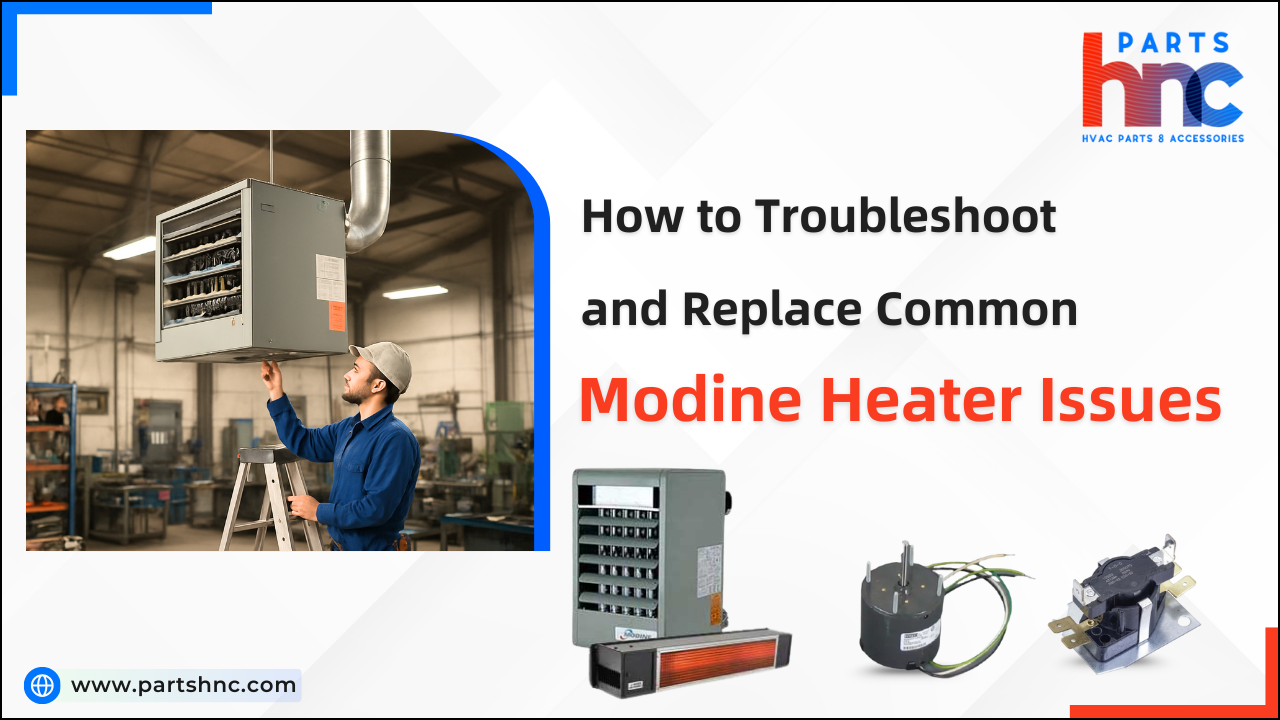
How to Troubleshoot and Replace Common Modine Heater Issues
While Modine heaters are known for their efficiency and reliability, they can still develop problems over time. Issues such as uneven heating, unusual noises, or failure to start are common, and learning to troubleshoot them early can help avoid unnecessary costs and hassle. Familiarity with the heater’s main components and awareness of warning signs can prevent small problems from escalating into major repairs.
In this guide, we’ll walk you through step-by-step methods to troubleshoot and replace common Modine heater parts issues safely and effectively. You’ll also find when it’s more practical to repair or replace parts, along with key maintenance tips to ensure your heater operates efficiently for years.
Why Troubleshooting and Replacing Modine Heater Issues Matters
Effectively diagnosing and fixing Modine heater problems is vital for maintaining safety and efficiency. Overlooking small issues can lead to bigger breakdowns, higher energy bills, and safety hazards such as overheating or electrical malfunctions.
Key benefits of Modine heater repair and troubleshooting include:
-
Extend the lifespan of your heater
-
Ensure consistent warmth throughout your home or workspace
-
Avoid costly emergency repairs
-
Make informed decisions about repairs or replacements
-
Improve overall performance and efficiency
Regular maintenance and timely part replacement provide peace of mind, ensuring your heater runs smoothly and your environment remains comfortable year-round.
Looking for reliable Modine heater parts? PartsHnC offers replacement components. Such as blowers, heat exchangers, thermostats, igniters, and control boards from leading brands like International Comfort Products, Honeywell, and Lennox, ensuring your Modine heater delivers efficient, consistent warmth year‑round.
Understanding the Key Modine Heater Components
To effectively troubleshoot and maintain a Modine heater, it’s important to understand its key components. Every component is crucial for the safe and efficient functioning of the system.
Key Modine Heater Parts Include:
-
Heat exchanger: Transfers heat to the air efficiently
-
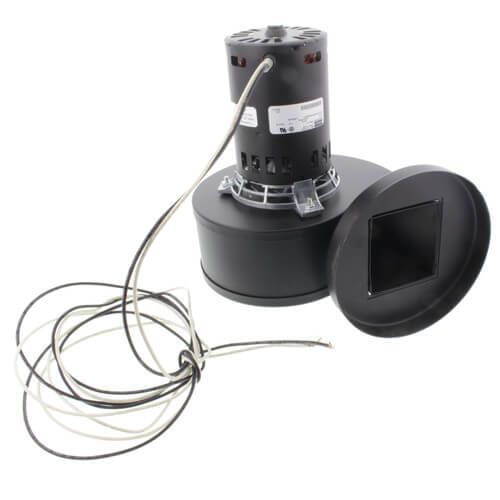
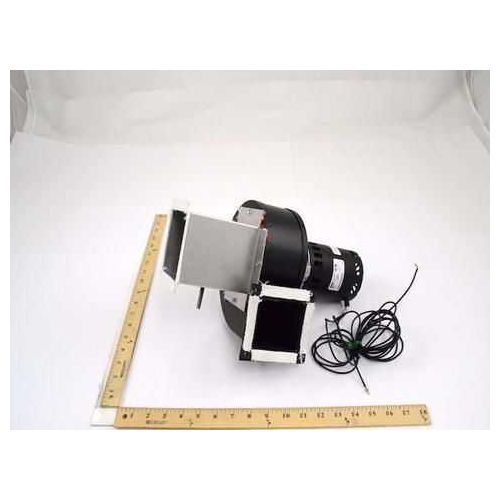
Blower/Fan: The Modine heater fan distributes heated air evenly throughout the area
-
Thermostat: The Modine heater thermostat controls the temperature and manages the heater’s operation
-
Ignition system: Ensures reliable startup
-
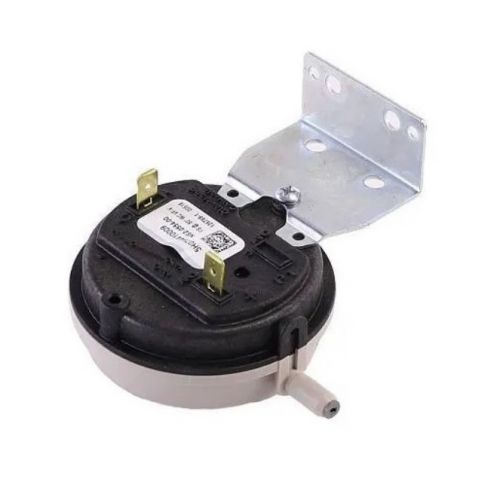
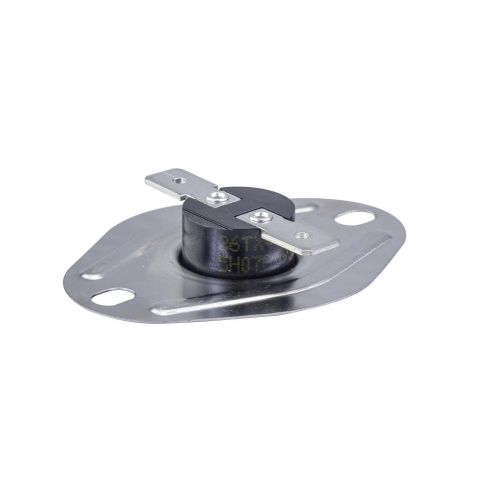
Safety sensors: Prevent overheating and other hazards
-
Gas valve or fuel supply: The Modine heater gas valve controls fuel flow to the heater
-
Control board: Manages operations and diagnostics
-
Flue or venting system: Safely removes combustion gases
-
Model-specific parts:
-
Modine hot dawg heater parts
-
Modine gas heater parts
-
Modine propane heater parts
-
Modine electric heater parts
-
Modine steam heater parts
Understanding these components helps identify issues early and ensures proper repairs or replacements, keeping your heater reliable and safe throughout the year.
Top Signs Your Modine Heater Is Malfunctioning
Modine heaters are built to last, but subtle issues can signal early problems. Being aware of these less obvious signs can help you prevent costly repairs and ensure safety.
Signs your Modine heater may be malfunctioning:
-
Delayed Startup: Heater takes longer than usual to turn on or ignite.
-
Uneven Airflow: Certain vents feel weaker while others are unusually strong.
-
Moisture Buildup: Condensation or water droplets near the heater indicate possible leaks.
-
Pilot Light Instability: A flickering or dim Modine heater pilot light, suggesting fuel delivery or ignition issues.
-
Unexpected Cycling Patterns: The Heater turns off briefly, even when the room hasn’t reached the set temperature.
-
Surface Heat Anomalies: Parts of the heater casing feel unusually hot or cold.
-
Electronic Glitches: Controls or displays behaving erratically.
Spotting these signs early lets you fix or replace parts before bigger problems occur, keeping your Modine heater safe and efficient.
Safety Precautions Before Troubleshooting or Replacing Your Heater
Working on a Modine heater can seem straightforward, but many overlooked risks can lead to damage or injury if not addressed. Taking proper safety measures beyond the obvious is essential for both you and your heater.
Safety Precautions to Follow:
-
Check for Hidden Dust or Debris Buildup: Accumulated dust inside vents or the heat exchanger can ignite or interfere with diagnostics.
-
Verify Air Pressure and Ventilation: Poor airflow can affect heater operation and cause overheating during testing.
-
Inspect Nearby Materials: Ensure flammable objects or sensitive electronics are not near the work area.
-
Document Wiring and Settings Before Adjustments: Photograph or label connections to avoid errors during reassembly.
-
Test Sensors Safely: Some electronic components can discharge unexpectedly; handle them with insulated tools.
-
Use a Carbon Monoxide Detector: Even minor leaks during inspection can pose a silent hazard.
-
Maintain a Two-Person Setup for Heavy Units: Some Modine heaters are bulky; avoid strain or accidental drops.
-
Follow Incremental Testing: After repairs, test the heater in short intervals rather than full operation immediately to catch hidden issues early.
By adopting these lesser-known precautions, you protect yourself, safeguard your heater, and ensure any troubleshooting or replacement is performed safely and effectively.
Step-by-Step Troubleshooting for Common Modine Heater Problems
When your Modine heater isn’t performing as expected, knowing where to start can save time and prevent further damage. This guide outlines common problems and effective solutions to help you identify and resolve them quickly.
Heater Refuses to Power On
-
Verify Electrical Connections: Confirm the circuit breaker hasn’t tripped, and the outlet is live. Try plugging in another device to test.
-
Evaluate the Thermostat: Some thermostats have internal fuses or backup batteries replaced or reset if necessary. Double-check your mode and temperature settings.
-
Inspect the Control Board: Look for burnt marks, corrosion, or loose connectors. Even small signs of damage can prevent startup.
-
Locate the Reset Button: Knowing the Modine heater reset button location lets you safely reset the unit; check the manual first.
Heater is Running but Produces Minimal Heat
-
Examine the Heat Exchanger Carefully: Rust, buildup, or hairline cracks can drastically reduce efficiency and may require professional repair.
-
Airflow Matters: Dirty or clogged filters limit performance. Replace filters regularly or vacuum reusable ones.
-
Check Ignition Components (Gas Heaters): A weak spark or partial flame can cause lukewarm air. Clean or replace burners and igniters as needed.
Strange Sounds Coming from the Heater
-
Tighten Hardware: Loose screws, panels, or duct connections often cause rattling and buzzing.
-
Lubricate Moving Parts: Blower motors and bearings benefit from occasional lubrication to minimize squeaks.
-
Inspect the Fan: Bent or misaligned fan blades can produce vibration, hum, or wobbling noises.
Heater Frequently Turns On and Off (Short Cycling)
-
Assess Thermostat Placement: Drafts, sunlight, or proximity to other heat sources can trigger rapid cycling.
-
Clean Heat Sensors and Exchangers: Dirt and dust can prevent accurate temperature readings.
-
Confirm Unobstructed Airflow: Blocked vents, registers, or return ducts can trip safety switches and reduce efficiency.
Gas Smells or Pilot Light Problems (Gas Units Only)
-
Turn Off Gas Immediately: Even a faint odor should be treated as an emergency.
-
Inspect Ignition and Pilot Assembly: Mineral deposits or soot can prevent reliable lighting. Clean or replace components carefully.
-
Check for Leaks Safely: Apply a mild soap solution to joints and fittings; bubbling indicates a leak. Never ignore gas odors.
Pro Tips:
-
A heater may appear to “lose power” simply due to overheating. Safety cutoffs ensure vents and filters are clear.
-
Some Modine models have error codes or diagnostic lights. Check the manual to interpret them.
-
Short cycling can also result from undersized ducting or overly large thermostats; consider professional airflow analysis.
-
Gas leaks are dangerous even if intermittent; always treat any odor as a serious risk.
Check out how to troubleshoot common Navien water heater parts issues to quickly identify problems and keep your system running efficiently.
When to Repair vs. Replace Your Modine Heater Components
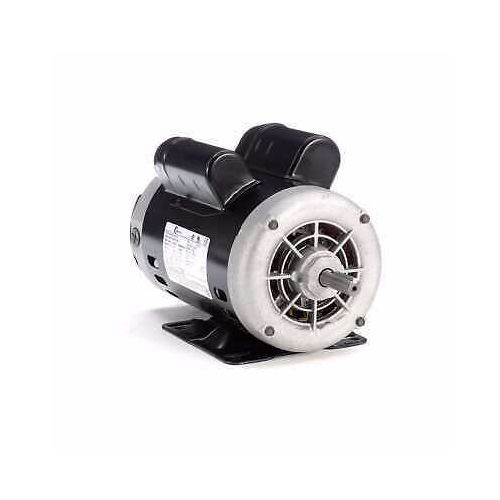
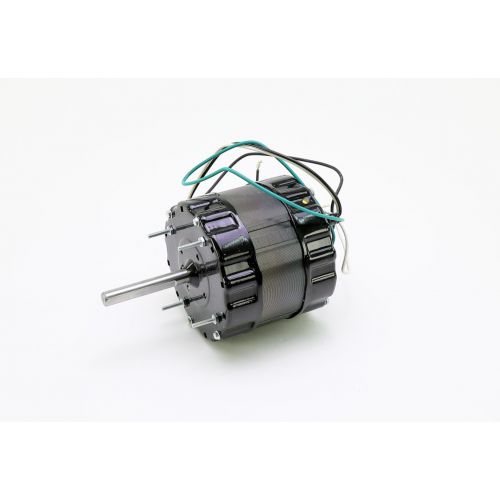
Replacing Modine heater parts, such as a Modine unit heater replacement motor, keeps your heater safe and efficient.
|
Component |
When to Repair |
When to Replace |
Tips |
|
Igniter or Pilot |
Minor wear or dirt affecting ignition |
Cracked, burned, or repeatedly failing |
Clean regularly and check alignment; replace if ignition issues persist. |
|
Heat Exchanger |
Small surface rust or minor deposits |
Cracks, leaks, or extensive corrosion |
Scrub minor rust; replace if any cracks or leaks are found to prevent hazards. |
|
Blower Motor |
Lubrication needed or minor noise |
Motor completely fails or bearings are damaged |
Oil bearings and tighten mounts; replace the motor if noise continues or airflow drops. |
|
Thermostat |
Calibration issues or dead batteries |
Faulty electronics or repeated misreadings |
Recalibrate or change batteries; upgrade thermostat if readings remain inaccurate. |
|
Control Board |
Loose connections or minor burnt traces |
Repeated failure, extensive burn marks, or component failure |
Inspect wiring and connections; replace board if problems recur to avoid downtime. |
|
Air Filters |
Slight dirt buildup |
Torn, heavily clogged, or damaged |
Clean monthly during use; replace when damaged or airflow is noticeably restricted. |
Also, check out how to install a tankless water heater to learn the essential steps for a safe, efficient, and hassle-free installation.
Preventive Maintenance Tips to Avoid Future Modine Heater Problems
Outline upkeep helps your Modine heater run smoothly, prolongs its lifespan, and reduces the risk of unexpected failures. Simple, regular actions can prevent costly repairs and save effort over time.
-
Regular Cleaning of the Air Filter: Remove dust and debris monthly to ensure proper airflow and maintain heater efficiency.
-
Routine Inspection of the Heat Exchanger: Check for rust, cracks, and buildup; schedule a professional check annually for safety and optimal heat transfer.
-
Periodic Lubrication of Blower Motors and Fans: Apply manufacturer-approved lubricants and clean moving parts to prevent wear and unusual noises.
-
Frequent Testing of the Thermostat: Verify accuracy, recalibrate if needed, and replace batteries to maintain consistent temperatures.
-
Consistent Checking of Electrical Connections: Tighten loose wires, clean contacts, and replace damaged cords to avoid operational failures.
-
Scheduled Cleaning of Gas Components (For Gas Heaters): Clean burners and pilot lights, inspect gas lines for leaks, and repair immediately if issues are found.
-
Regular Clearing of Vents and Surrounding Area: Remove dust and obstructions, maintaining at least 3 feet of clearance around the heater.
-
Annual Professional Servicing: Have a certified technician clean internal parts, inspect all components, and optimize efficiency.
Conclusion: Ensuring Reliable Performance of Your Modine Heater
Keeping your Modine heater in top condition means performing routine maintenance, addressing repairs promptly, and watching for early signs of trouble. By taking proactive steps to clean filters, inspecting components, and following safety precautions, you ensure consistent warmth, energy efficiency, and long-lasting performance. Prioritizing preventive care today helps avoid costly issues tomorrow and keeps your heating system running safely year-round.
Key Takeaways:
-
Monitor unusual heat patterns on the heater’s surface to detect hidden component issues early.
-
Ensure proper airflow by keeping vents and the area around your heater clean and free of dust or obstructions.
-
Track error codes or diagnostic lights on your Modine model for quick troubleshooting.
-
Document maintenance activities to spot recurring problems and optimize care routines.
-
Use manufacturer-approved lubricants and cleaning products to prevent part damage.
-
Keep a log of part replacements and repairs to track your heater’s performance over time and anticipate future needs.
Modine heaters are built for reliability, but regular care maximizes their performance and lifespan. Understanding key components, troubleshooting issues early, and performing preventive maintenance ensures safe, efficient operation. With consistent attention, your heater will provide dependable warmth year after year.
FAQs
How do you know if your furnace needs to be reset?
The heater may fail to start or show blinking error lights. Strange noises or frequent short cycling are also signs.
Why won’t my Modine heater turn back on after resetting?
It could be a blown fuse, tripped breaker, or faulty thermostat. Check the control board or call a professional if needed.
How do I know if my Modine heater is working efficiently?
Check for consistent airflow and even heat throughout the space. Unusual noises, odors, or uneven heating may indicate reduced efficiency.
How much does it cost to replace a Modine heater part?
Prices vary depending on the part and model. Small components like thermostats or igniters may cost $20–$100, while blowers or heat exchangers can run $150–$500 or more.