Loyalty Program

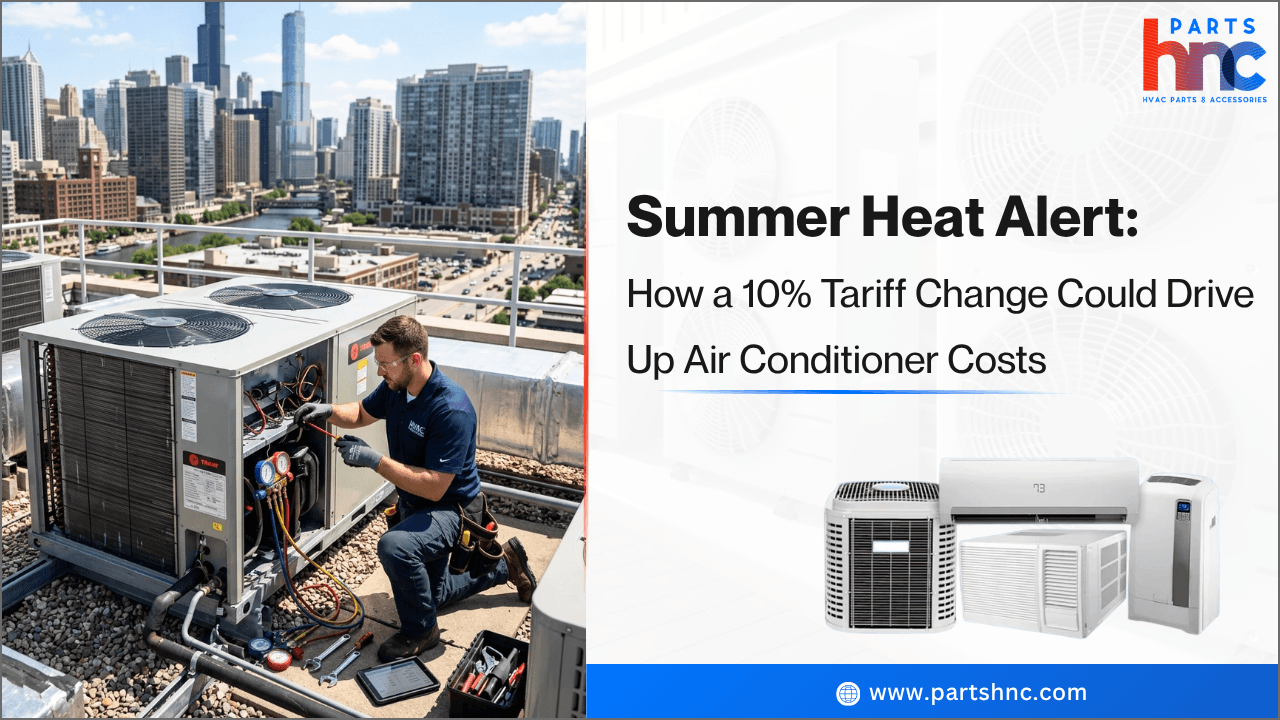
Summer Heat Alert: How a 10% Tariff Change Could Drive Up Air Conditioner Costs
As summer temperatures rise across the United States, air conditioners play a critical role in keeping homes comfortable and safe. However, proposed tariff changes could increase the cost of cooling equipment at a time when demand is already high. Industry organizations have expressed concerns about the potential impact on both contractors and consumers.
The Air Conditioning Contractors of America (ACCA) noted that the change could significantly increase equipment costs, while HVAC distributor association HARDI indicated that some imported HVAC equipment could face tariff-related costs approaching an estimated 25% of a unit's value. Because many air conditioners rely on globally sourced components, higher import costs could eventually contribute to higher prices for homeowners.
Why Air Conditioners Are Especially Vulnerable to Tariff Changes
Unlike many household appliances, air conditioners rely on a combination of specialized components and raw materials that are often sourced through global supply chains. This makes cooling equipment particularly sensitive to tariff-related cost increases. Even when final assembly takes place in the United States, manufacturers may still depend on imported parts that are affected by changing trade policies.
Several factors make air conditioners more vulnerable to rising tariffs:
-
Dependence on Imported Components: Compressors, motors, sensors, and electronic control boards are frequently sourced from international suppliers.
-
Heavy Use of Copper and Aluminum: Air conditioners require significant amounts of copper tubing and aluminum coils, both of which can be affected by import-related cost increases.
-
Complex Manufacturing Processes: Cooling systems involve multiple suppliers and production stages, making it difficult to absorb additional costs.
-
Seasonal Demand Pressure: Strong summer demand often limits manufacturers' ability to delay price adjustments when costs increase.
-
Limited Short-Term Sourcing Alternatives: Switching suppliers or production locations can be time-consuming and may incur additional expenses.
-
Impact Beyond New Equipment: Tariff-related costs can also affect replacement parts, making repairs and maintenance more expensive over time.
As a result, air conditioners are often among the first household appliances to experience pricing pressure when tariffs increase the cost of imported materials and components.
Understanding What Tariffs Mean for Air Conditioner Buyers
Tariff increases can influence far more than the cost of manufacturing an air conditioner. They often affect pricing decisions across the HVAC industry, from manufacturers and distributors to retailers and homeowners. As additional costs move through the supply chain, consumers may end up paying more for cooling equipment. Here are some of the key ways tariff changes can contribute to higher air conditioner prices:
-
Higher Costs for Future Inventory: Manufacturers often adjust prices on new shipments to account for increased import costs on incoming components and equipment.
-
Fewer Manufacturer Rebates: Some brands reduce cash-back offers, dealer incentives, and promotional discounts to offset higher operating costs.
-
Pre-Tariff Inventory Buying: Distributors may purchase large quantities of air conditioners before tariffs take effect, increasing storage and inventory management expenses.
-
Reduced Availability of Entry-Level Models: Manufacturers may focus production on higher-priced models that generate stronger profit margins.
-
Changes in Supplier Contracts: Companies may switch suppliers or renegotiate sourcing agreements, creating additional procurement and logistics costs.
-
Higher Distribution Expenses: Air conditioners imported through multiple suppliers can incur additional handling, transportation, and storage costs before reaching dealers.
-
Faster Price Adjustments During Peak Season: Strong summer demand allows manufacturers and retailers to implement price increases more quickly when costs rise.
-
Higher Replacement Part Costs: Tariffs can also affect compressors, control boards, motors, and other replacement parts, increasing the total cost of owning and maintaining an air conditioner.
How Tariffs Could Impact Homeowners During Peak Summer Demand
Summer is traditionally the busiest season for air conditioner purchases and replacements in the United States. During periods of high demand, any increase in equipment costs can become more noticeable for consumers. Homeowners who wait until extreme heat arrives may face higher prices and fewer purchasing options.
Several factors can amplify the effect of tariff-related price increases during summer:
-
Peak Demand Increases Equipment Turnover: Dealers often sell through inventory more quickly during heat waves, leading to faster adoption of updated pricing.
-
Reduced Discount Opportunities: Strong consumer demand can limit promotional offers and seasonal sales.
-
Longer Installation Wait Times: Increased demand may create scheduling backlogs for HVAC contractors.
-
Higher Emergency Replacement Costs: Homeowners replacing failed systems during hot weather often have less flexibility to shop around.
-
Inventory Availability Challenges: Popular air conditioner models may become harder to find during peak cooling season.
Discover how mini-split systems adapt to seasonal temperature changes to maintain efficient heating and cooling throughout the year.
What Homeowners Should Know Before Buying a New Air Conditioner
While homeowners cannot control tariff policies, they can make informed decisions that help manage potential cost increases. The following tips can help homeowners navigate rising air conditioner costs:
-
Request Quotes Early: Obtaining estimates before peak summer demand may provide more pricing options.
-
Ask About Current Inventory: Some equipment may have been purchased before tariff-related price adjustments occurred.
-
Compare Repair and Replacement Costs: For older systems, evaluating long-term costs can help determine the best financial decision.
-
Review Warranty Coverage: Replacement parts may become more expensive if tariffs affect future component pricing.
-
Focus on Total Ownership Costs: Energy efficiency, maintenance requirements, and expected lifespan can be just as important as the purchase price.
-
Monitor Manufacturer Announcements: Equipment pricing can change throughout the year as market conditions evolve.
-
Check for Utility Incentives: Local rebates and energy-efficiency programs may help offset upfront costs.
-
Avoid Emergency Purchases: Scheduling inspections and maintenance can reduce the risk of sudden system failures during peak summer heat.
Find out how to choose the perfect air ventilation system for your home: the ultimate guide.
Summary: What Rising Tariffs Mean for the Future of Air Conditioner Prices
Rising tariffs could increase air conditioner costs by raising expenses for imported components, manufacturing, and distribution. As these costs move through the supply chain, homeowners may face higher equipment, installation, and repair prices, especially during peak summer demand. Planning purchases early and staying informed about market changes can help consumers better manage future cooling costs.
Key Takeaways
-
Tariff changes can increase the cost of air conditioners and related HVAC equipment.
-
Imported components such as compressors, motors, and control boards are particularly affected.
-
Higher manufacturing and distribution expenses may lead to increased retail prices.
-
Summer demand can accelerate price adjustments and reduce discount opportunities.
-
Replacement parts may also become more expensive, increasing long-term ownership costs.
-
Homeowners can minimize the impact by planning purchases early and maintaining existing systems.
Planning to replace or upgrade your air conditioner parts? Shop HVAC parts and supplies at PartsHnC. We offer a wide selection of high-quality air conditioner parts, including condenser coils, compressors, fan motors, filters, and more from top leading brands like Carrier, Goodman, Rheem, Lennox, and York. Enjoy competitive prices and fast shipping delivered straight to your doorstep.
References:
https://hardinet.org/posts/advocacy/trump-makes-changes-to-metals-tariffs-likely-reduces-impact
https://www.energy.ca.gov/sites/default/files/2019-11/Energy_CCCA4-CEC-2018-013_ADA.pdf
https://www.acca.org/resources/tariff-resource-center
FAQs
Should I buy a new air conditioner before tariffs increase prices?
If your current system is nearing the end of its lifespan, purchasing before future price adjustments may help avoid higher replacement costs.
Can tariffs increase air conditioner repair costs?
Yes. Tariffs can affect the price of replacement parts, including compressors, motors, and electronic components used in repairs.
Are air conditioner prices expected to rise in the United States in 2026?
Air conditioner prices may face upward pressure due to tariff changes, higher material costs, transportation expenses, and strong summer demand. Actual price increases will vary by brand and region.
Is it better to repair or replace an older air conditioner before prices rise?
If an air conditioner is more than 10 to 15 years old and requires frequent repairs, replacement may offer better long-term value. However, the decision should depend on the unit's condition, repair costs, and energy efficiency.
|
Disclaimer: This content is provided for general informational and educational purposes only. Any insights regarding tariffs, pricing trends, and potential cost effects are based on industry sources and overall market observations. |