Loyalty Program

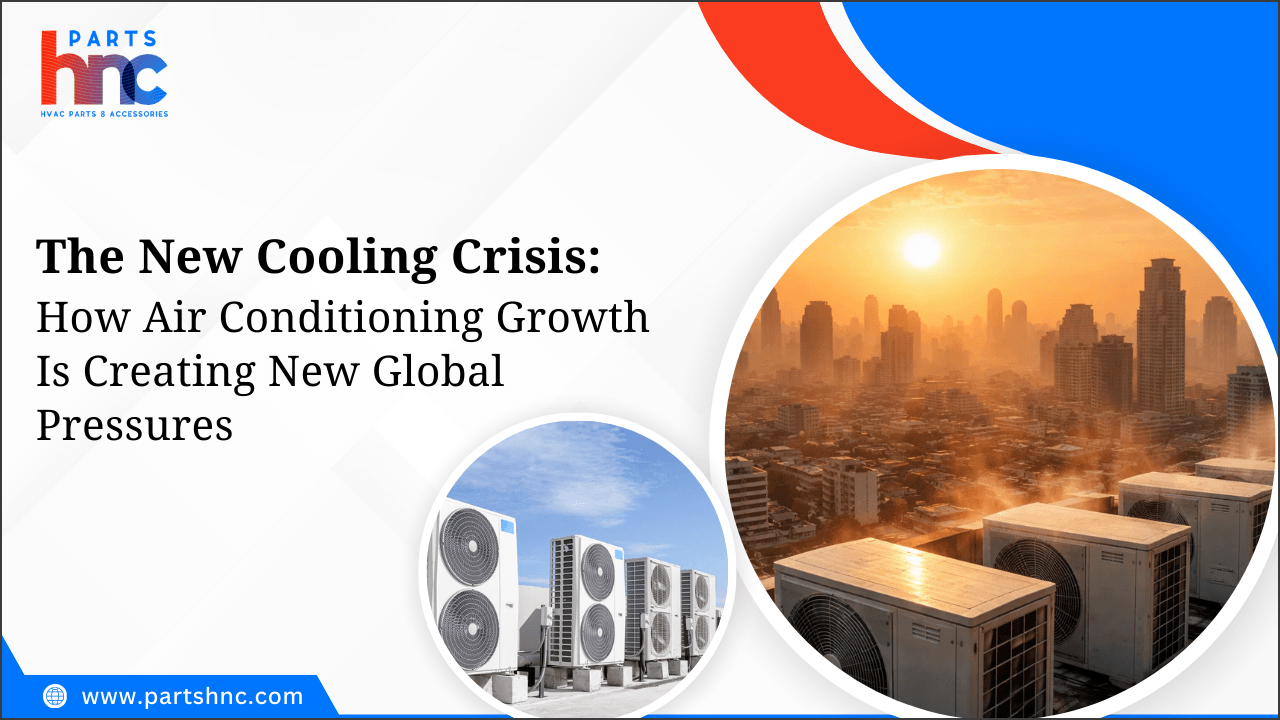
The New Cooling Crisis: How Air Conditioning Growth Is Creating New Global Pressures
In today’s world of rising temperatures and extreme heat, air conditioning has become more than a convenience—it is a necessity. From densely populated cities to tropical regions, cooling systems help people stay safe during heatwaves, protect public health, and maintain productivity in homes, offices, hospitals, and industries.
However, the rapid growth of air conditioning worldwide is creating a new global challenge. As billions of cooling systems come online, countries are experiencing increasing electricity demand, strained power grids, rising carbon emissions, and intensified urban heat effects. What once seemed like a simple solution to rising temperatures is now emerging as a complex global issue known as the cooling crisis.
Understanding this challenge is essential for policymakers, businesses, and consumers who want to stay cool while minimizing environmental and infrastructure pressures.
Understanding the Growing Global Dependence on Air Conditioning
As global temperatures rise and heatwaves become more frequent, air conditioning is rapidly shifting from an optional comfort to a public health necessity.
Explosive Global Growth
Around 2.4 billion AC units are currently in use globally. According to the International Energy Agency (IEA), the number of air conditioners in use worldwide is expected to triple by 2050. This number could exceed 5 billion by mid-century as incomes and urbanization rise. Cooling demand is projected to double by 2030 and triple by 2050 if current trends continue.
Rising Energy Demand
In 2022, space cooling, mostly from air conditioning, consumed approximately 2,100 TWh of electricity, accounting for about 7 % of global power use. In hot countries, air conditioning can represent more than 70 % of the peak electricity load, placing severe stress on local grids during the hottest days. High AC saturation can also cause microgrid instability and voltage fluctuations, forcing utilities to implement load shedding or invest in costly infrastructure upgrades.
Cooling Beyond Homes
Beyond electricity consumption, refrigerant leaks from AC units release potent greenhouse gases, contributing 720 million tonnes of CO₂-equivalent annually—hidden emissions that are rarely accounted for in climate calculations
Cooling demand affects more than households: data centers, hospitals, schools, and manufacturing facilities all drive up collective energy load as AC deployment scales.
How Rapid AC Expansion Is Creating New Global Pressures
The growing number of air conditioning systems worldwide is placing pressure on multiple systems, including energy infrastructure, urban environments, and economic planning.
Power Grid Stress
During heatwaves, millions of AC units turn on simultaneously, pushing electricity demand to record levels. This surge can overload local grids, forcing utilities to implement rolling blackouts or invest in expensive infrastructure upgrades to maintain reliability.
Urban Heat Amplification
Air conditioners remove heat from indoor spaces and release it outside. In dense urban areas, this waste heat accumulates in streets and building corridors, increasing outdoor temperatures and intensifying the urban heat island effect.
As cities become hotter, residents rely even more on cooling systems, creating a feedback loop of rising energy demand.
Cooling Inequality
While cooling demand is rising globally, access to efficient cooling technologies remains uneven. In many developing regions, millions of people face extreme heat without reliable electricity or affordable air conditioning systems. This gap creates a growing global challenge: ensuring equitable access to cooling while limiting environmental impact.
Economic Pressure on Energy Systems
Governments must balance growing cooling demand with the cost of expanding power generation and grid infrastructure. Building new power plants and transmission networks requires large investments, especially in rapidly urbanizing countries.
The Energy and Climate Impact Behind the Global Cooling Boom
While air conditioners keep us cool, their environmental footprint extends far beyond electricity meters. Hidden factors like grid inefficiencies, refrigerant leaks, and systemic feedback loops create significant carbon emissions that are rarely accounted for.
Breaking Down Hidden Carbon Contributions from AC Units:
-
Grid Cycling Inefficiencies: Frequent on/off operation forces power plants to run less efficiently, increasing fuel use per unit of cooling delivered.
-
Transmission and Distribution Losses: Long-distance electricity delivery to cooling-heavy urban areas wastes energy, adding to carbon emissions.
-
Peak-Hour Overuse: Running AC during peak electricity hours indirectly increases emissions due to higher grid strain.
-
Embedded Manufacturing Emissions: Production of compressors, capacitors, and PCB components carries hidden carbon costs.
-
Moisture Control Emissions: AC dehumidification increases latent energy demand.
-
Nighttime Baseload Emissions: Continuous overnight AC operation locks in upstream emissions.
-
Localized Heat Redistribution: Waste heat from AC units raises nighttime urban temperatures, amplifying future cooling demand and creating a microclimate carbon feedback loop.
Explore how the future of HVAC is going green by switching to low-GWP refrigerants for a more sustainable and efficient tomorrow.
Strategies to Reduce the Environmental Footprint of Cooling
Cutting the hidden carbon footprint of air conditioning requires practical, innovative strategies. By combining smart infrastructure, system-level solutions, and simple household actions, we can stay comfortable while significantly lowering emissions
Smart Cooling Technologies
Modern HVAC systems use smart thermostats, sensors, and automated schedules to optimize cooling based on occupancy and conditions.
-
Time-Shifting Cooling Loads: Pre-cool buildings during early morning hours when electricity demand is low, and grid emissions are minimal. Ideal when outside temperatures are around 65–75°F (18–24°C).
-
Microgrid-Aware AC Scheduling: Integrate AC operation with smart local grids to reduce demand automatically during peak temperatures (90°F / 32°C and above).
-
Dynamic Humidity Management: Adjust AC dehumidification intensity based on indoor humidity to maintain comfort efficiently.
Passive Cooling Solutions
Building design can significantly reduce cooling demand through methods such as:
-
Improved Insulation: High-quality insulation keeps indoor temperatures stable, reducing the need for mechanical cooling.
-
Natural Ventilation: Proper window placement, vents, and airflow design allow hot air to escape and cool air to enter naturally.
-
Shading Systems: Use awnings, pergolas, and window shading to block direct sunlight.
-
Reflective Roofing Materials: Roofs with reflective coatings minimize heat absorption, keeping buildings cooler.
-
Urban Tree Planting: Strategically planted trees provide shade, reduce the urban heat island effect, and lower neighborhood-level cooling demand.
Passive cooling techniques lower indoor temperatures without relying solely on mechanical air conditioning, complementing other energy-saving strategies.
Load Shifting and Energy Efficiency
Reducing peak cooling demand and improving system efficiency can further reduce environmental impact:
-
Nighttime Radiative Cooling: Use rooftop radiative panels or water-based cooling to dissipate heat at night, reducing daytime AC load.
-
Hybrid Cooling Approaches: Combine passive cooling with targeted AC use in high-occupancy zones instead of cooling entire spaces.
-
High-Efficiency Air Conditioners: Inverter-based ACs and other efficient technologies maintain comfort while lowering energy consumption.
Renewable Energy Integration
Solar power, battery storage, and decentralized microgrids can support cooling demand without increasing carbon emissions:
-
Solar-Powered Air Conditioning: Particularly effective in sunny regions, where cooling demand aligns with peak solar generation.
-
Community Shading Programs: Shared tree planting or reflective urban canopies reduce ambient temperatures and collective cooling needs.
What Individuals Can Do
Even small actions, when multiplied across millions of households, make a difference:
-
Adjust your thermostat by 2–3°F (1–2°C) in summer.
-
Keep your AC maintained, clean the filters, and schedule regular check-ups.
-
Use ceiling or portable fans to circulate air and reduce AC reliance.
-
Insulate your home and use reflective roofing and window shading.
-
Go solar or use renewable energy programs to offset electricity consumption.
Even small actions, when multiplied across millions of households, can significantly reduce energy use and help lower carbon emissions worldwide.
Key Challenges and Solutions for Sustainable Cooling
As global temperatures rise, the demand for air conditioning is creating real, measurable problems worldwide. These challenges go beyond energy consumption, affecting urban environments, public health, and energy systems, requiring both innovative and practical solutions.
Real‑World Challenges and Solutions:
Challenge: Record Extreme Heat Increasing Cooling Demand
In 2024, many of the world’s largest cities recorded unusually high counts of days with temperatures at or above 35 °C (95 °F), including Manila, Cairo, and Yaoundé, driving up the need for air conditioning and stressing electricity systems.
Solution: Deploy advanced demand‑response systems and AI‑enabled smart cooling to optimize energy use during peak heat. Integrate pre-cooling, thermal storage, and real-time grid coordination to ensure comfort while minimizing electricity stress.
Challenge: Urban Heat Island Effect Compounds Cooling Loads Metropolitan areas like Rome and Johannesburg, which retain more heat due to concrete and asphalt, saw rising temperatures that make AC use even more necessary during hot spells.
Solution: Increase urban greenery, install reflective or cool roofs, and create shaded public spaces to reduce local temperatures. These measures lower the need for air conditioning and improve overall urban comfort.
Challenge: Heatwaves Driving Peak Power Demand
Cities such as Washington DC and Tokyo experienced record levels of extremely hot days, contributing to higher peak electricity use as residents and businesses rely heavily on AC during sustained heat.
Solution: Implement advanced grid management with AI-driven load balancing and integrate decentralized renewable energy sources like rooftop solar and battery storage. Combine with smart cooling incentives to reduce peak demand while ensuring reliable, sustainable energy supply.
The Future of Sustainable Cooling: Innovations, Urban Planning, and Personal Action
Air conditioning is essential for modern comfort and health, but its hidden environmental consequences are often overlooked. Beyond electricity and refrigerant use, AC systems affect local microclimates, urban heat distribution, and energy infrastructure resilience. Addressing these interconnected issues with innovative solutions is critical for sustainable cooling in a warming world.
Key Takeaways
-
AC waste heat raises outdoor temperatures, creating a self-reinforcing cooling demand loop.
-
Neighborhood airflow and shading reduce local reliance on air conditioning.
-
Tracking refrigerant leakage across its lifecycle prevents hidden greenhouse gas emissions.
-
AI-synced AC systems can run when renewable energy is abundant, cutting emissions.
-
Combining passive cooling with targeted AC use can reduce energy demand by up to 30%.
-
Thermal storage and improved building envelopes minimize AC use during extreme heat events.
Planning to upgrade your home with an energy-efficient air conditioner? Shop HVAC parts and supplies from PartsHnC. We offer a wide range of AC parts, including compressors, fan motors, capacitors, coils, thermostats, and control boards from top brands like Carrier, Goodman, Rheem, Lennox, and York, with fast delivery straight to your door!
References:
https://www.osti.gov/servlets/purl/1855786
https://pmc.ncbi.nlm.nih.gov/articles/PMC12936058/
https://www.unep.org/news-and-stories/story/air-conditioners-fuel-climate-crisis-can-nature-help
FAQs
How do feedback loops from dense AC usage amplify local energy demand unexpectedly?
Excessive AC in clustered high-rise zones pushes transformers and substations to near-failure, forcing utilities to dispatch backup generators that emit disproportionately high carbon per kWh.
Can adaptive thermal inertia in buildings reduce reliance on active AC systems?
Yes. Using materials that absorb heat during peak sun hours and release it slowly at night can maintain comfort while cutting active cooling energy by 20–35%.
What hidden climate consequences arise from AC waste heat at night?
Nocturnal heat release prevents urban areas from cooling naturally, altering local wind patterns and humidity levels, which can increase next-day peak temperatures and AC demand.
How effective are decentralized neighborhood cooling loops compared to single-building AC deployment?
Shared airflow networks and water-based microchillers distribute thermal loads efficiently, reducing redundant AC cycles and lowering collective electricity demand in urban clusters.
| Disclaimer: The information provided in this article is for general informational purposes only. While efforts have been made to ensure accuracy, to provide general insights about air conditioning and its environmental impact. Readers should verify information from reliable sources before making decisions related to cooling systems or energy usage. |