Loyalty Program

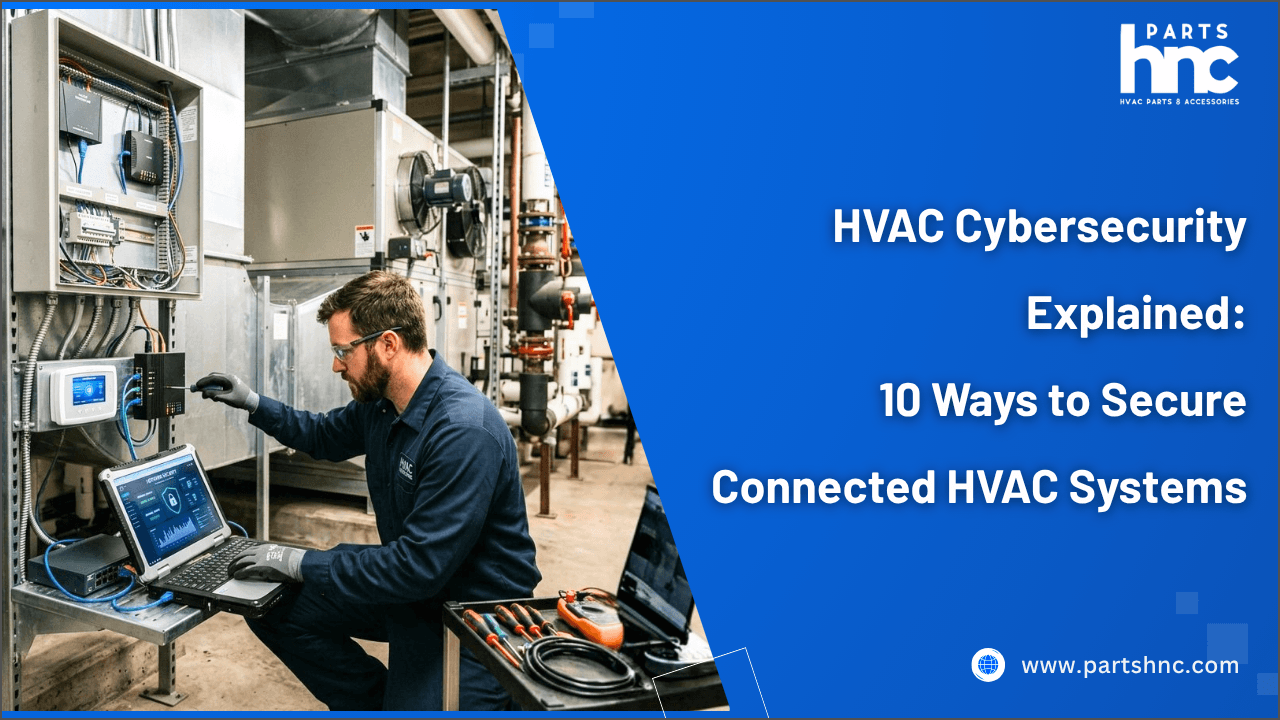
HVAC Cybersecurity Explained: 10 Ways to Secure Connected HVAC Systems
HVAC cyberattacks are becoming a growing concern as connected heating, ventilation, and air conditioning systems become increasingly integrated with smart controls, cloud platforms, and building networks. While these technologies enhance energy efficiency and remote monitoring, they also introduce new security risks that can compromise system performance and data protection.
As commercial and residential HVAC systems evolve, protecting connected devices from unauthorized access is essential. Implementing robust cybersecurity practices helps prevent disruptions, safeguards sensitive information, and ensures the smooth operation of modern HVAC infrastructure.
Why HVAC Cybersecurity Matters More Than Ever
Connected HVAC systems exchange substantial amounts of operational data daily. Smart controllers monitor temperatures, humidity levels, airflow performance, occupancy patterns, and energy consumption while communicating with cloud-based platforms and remote applications.
Many modern HVAC deployments include:
-
Smart thermostats
-
Building automation systems (BAS)
-
Wireless sensors
-
Remote monitoring platforms
-
Connected heat pumps and furnaces
-
Smart ventilation systems
-
Mobile HVAC management applications
-
Cloud-based diagnostic tools
Every connected device increases the potential attack surface, making cybersecurity a critical part of modern HVAC management.
Types of Cyberattacks Targeting HVAC Systems
Modern HVAC systems are vulnerable to several specialized cyberattacks, including:
-
BACnet Protocol Exploitation: Exploiting unsecured BACnet communications to control connected devices.
-
Configuration Manipulation: Unauthorized changes to temperature, airflow, or operating schedules.
-
Remote Session Hijacking: Exploiting remote maintenance connections to access HVAC controllers.
-
Sensor Data Spoofing: Injecting false sensor data to influence HVAC operations.
-
Controller Firmware Tampering: Installing unauthorized firmware to alter system behavior.
-
Lateral Network Pivoting: Using compromised HVAC devices to access other building systems.
Common Cybersecurity Risks in Connected HVAC Systems
Connected HVAC systems improve efficiency but also increase exposure to cyber threats. Here are the key cybersecurity risks:
1. Unauthorized Remote Access: Weak passwords or poor authentication can allow attackers to modify HVAC settings.
2. Compromised Building Management Systems (BMS): A cyberattack on a centralized BMS can disrupt multiple HVAC systems.
3. Outdated Firmware: Delayed firmware updates may leave connected HVAC equipment vulnerable to known security flaws.
4. Cloud Account Breaches: Stolen user credentials can provide unauthorized access to cloud-connected HVAC systems.
5. Insecure Smart Integrations: Smart home integrations can create additional attack paths if connected devices are not secured.
6. Poor Network Segmentation: Shared networks can allow attackers to move from HVAC equipment to other connected systems.
HVAC cybersecurity is a shared responsibility for contractors, facility managers, building owners, and homeowners.
Explore smart thermostat integration technology for better hvac performance and lower energy costs.
10 Effective Ways to Protect Connected HVAC Systems from Cyber Threats
Protecting connected HVAC systems requires strong cybersecurity practices to reduce vulnerabilities and prevent unauthorized access. Here are 10 effective ways to improve. HVAC cybersecurity:
|
HVAC Cybersecurity Measure |
Security Advantage |
Recommended Solution |
|
Change Default Credentials |
Prevents unauthorized access to connected HVAC devices. |
Replace the factory password on a new smart thermostat before connecting it to Wi-Fi. |
|
Enable Multi-Factor Authentication (MFA) |
Adds an extra layer of account security. |
Use a verification code when logging into your HVAC mobile app. |
|
Keep Firmware and Software Updated |
Fixes security vulnerabilities and improves system protection. |
Install the latest firmware update for your smart thermostat or HVAC controller. |
|
Segment HVAC Networks |
Stops cyber threats from spreading to other connected devices. |
Place HVAC equipment on a separate network from office computers or guest Wi-Fi. |
|
Secure Remote Access |
Prevents unauthorized remote control of HVAC systems. |
Allow technicians to access the system only through a secure VPN or encrypted connection. |
|
Monitor System Activity |
Helps detect suspicious activity early. |
Review system alerts if there are repeated failed login attempts or unexpected setting changes. |
|
Limit User Access |
Reduces the risk of unauthorized changes. |
Give administrators full access, while maintenance staff can only adjust equipment settings. |
|
Conduct Security Assessments |
Identifies security weaknesses before they become problems. |
Check passwords, firmware versions, and network settings during routine maintenance. |
|
Protect Connected IoT Devices |
Secures smart HVAC devices connected to the network. |
Replace older smart thermostats that no longer receive security updates. |
|
Create a Cybersecurity Response Plan |
Helps recover quickly after a cyberattack. |
Follow a documented plan to isolate affected HVAC devices and restore normal operation. |
Why Smart Building Technologies Increase HVAC Cybersecurity Risks
Smart building technologies improve HVAC intelligence and automation, but they also introduce new digital connections that require stronger cybersecurity protections.
1. Shared Data Exchange: HVAC systems continuously exchange data with energy management, occupancy, and analytics platforms.
-
Impact: Unsecured communication channels can expose sensitive operational data and increase the risk of unauthorized access.
2. AI-Driven Automation: AI analyzes real-time data to automatically optimize HVAC performance.
-
Impact: Compromised or manipulated data can trigger incorrect system adjustments, reducing efficiency and occupant comfort.
3. Edge Computing Devices: Local gateways process HVAC data before transmitting it to cloud platforms.
-
Impact: An unsecured edge device can become an entry point for attackers to access connected HVAC systems.
4. API-Based Connectivity: APIs allow HVAC platforms to communicate with third-party building applications and services.
-
Impact: Weak API security can expose connected systems to unauthorized requests and data breaches.
5. Digital Twin Integration: Digital twins synchronize virtual building models with live HVAC performance data.
-
Impact: Altered or inaccurate data can affect system monitoring, predictive maintenance, and operational decision-making.
As smart buildings become more interconnected, securing every digital connection is essential to minimize cyber risks and ensure reliable HVAC performance.
Discover next-gen HVAC solutions: how smart thermostats and zoning elevate new lenox living.
Summary: Long-Term HVAC Cybersecurity with Encryption, Authentication, and Access Control
Long-term HVAC cybersecurity requires a proactive approach that combines encryption, strong authentication, and role-based access control with regular updates, continuous monitoring, and network segmentation to protect connected systems, reduce cyber risks, ensure reliable performance, and support resilient, secure, future-ready building operations for years to come.
Key Takeaways
-
Encrypt data to protect HVAC communications from unauthorized access and interception.
-
Use multi-factor authentication (MFA) and strong passwords to secure user accounts and remote access.
-
Implement role-based access control to ensure users have only the necessary permissions.
-
Keep HVAC firmware, software, and connected devices updated to address known security vulnerabilities.
-
Continuously monitor connected HVAC systems to detect suspicious activity and respond quickly to threats.
-
Combine cybersecurity best practices with routine maintenance to improve the long-term security and reliability of connected HVAC systems.
Thinking about upgrading your HVAC system? Shop high-quality HVAC parts and supplies for residential, commercial, and industrial applications. We offer a wide range of replacement parts for air conditioners, chillers, condensers, compressors, fan motors, coils, and more from top brands like Carrier, Trane, and Lennox, with fast delivery straight to your door!
References:
https://www.nist.gov/publications/basic-recommendations-hvac-cybersecurity
https://www.ashrae.org/news/ashraejournal/protecting-hvac-systems-from-cybersecurity-threats
FAQs
How can I improve the cybersecurity of my HVAC system?
You can improve HVAC cybersecurity by using strong passwords, enabling multi-factor authentication, keeping firmware updated, securing remote access, segmenting networks, and conducting regular security assessments.
Can smart thermostats pose cybersecurity risks?
Yes. Smart thermostats connected to home or business networks can become potential entry points for cyberattacks if they are not properly secured. Regular software updates and secure authentication practices can help reduce these risks.
What role does encryption play in HVAC cybersecurity?
Encryption helps protect data transmitted between connected HVAC devices and management platforms by preventing unauthorized users from accessing sensitive information. It is an important component of long-term HVAC cybersecurity.
Why is network segmentation important for connected HVAC systems?
Network segmentation isolates HVAC systems from primary business or home networks, helping limit the spread of cyber threats and reducing the potential impact of security breaches.
|
Disclaimer: The information provided in this article is intended for general educational and informational purposes only. Cybersecurity requirements may vary depending on HVAC system configurations, connected devices, network environments, and manufacturer specifications |