Loyalty Program

From Data to Action: How Two-Way HVAC Communication Enhances System Control
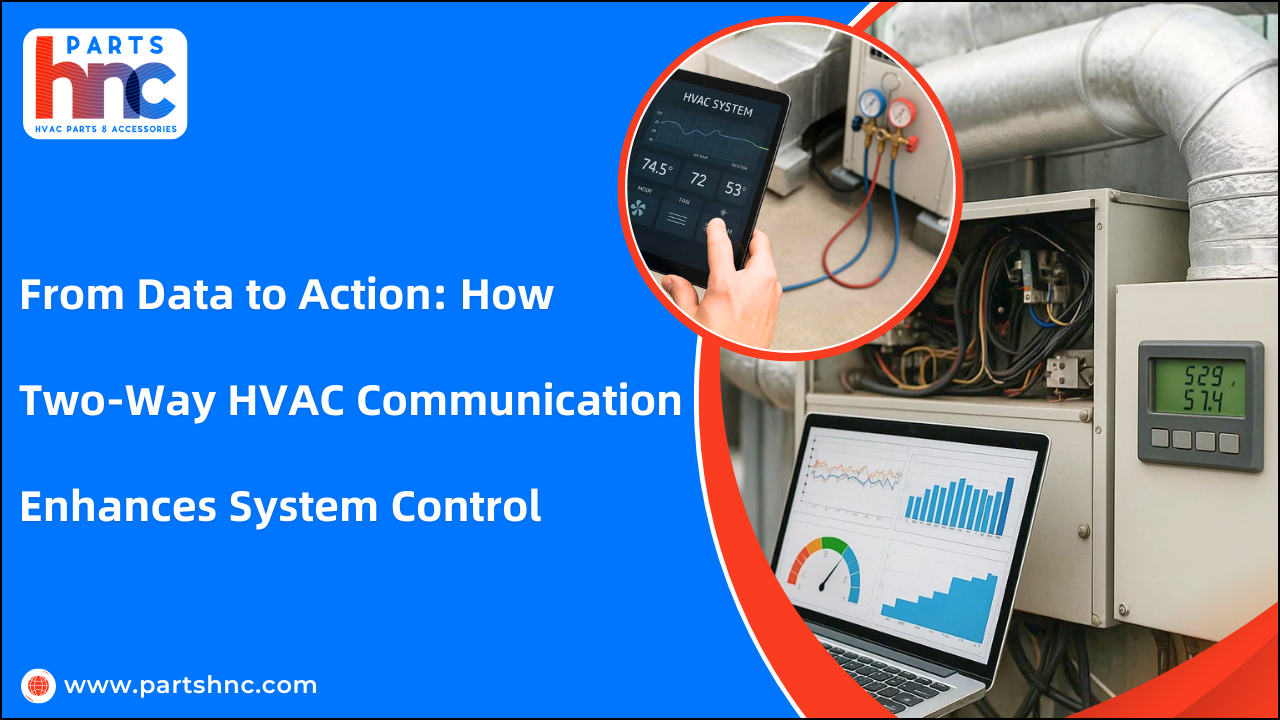
In today’s connected world, HVAC systems are no longer just about heating and cooling—they are about intelligent, data-driven performance. Two-way HVAC communication allows systems to not only collect real-time data but also respond to it, creating a dynamic loop of monitoring and control. This communication ensures that the system operates efficiently, anticipates issues, and adapts to changing conditions, delivering consistent comfort and energy savings.
By transforming raw data into actionable insights, two-way communication empowers facility managers and homeowners to make informed decisions. From optimizing energy usage to extending equipment lifespan, this technology bridges the gap between data and action, enhancing overall system control and performance.
Understanding Two-Way HVAC Communication and How It Works
Two-way HVAC communication allows systems to exchange data in real time, creating a continuous feedback loop between devices and controllers. This interaction enables precise monitoring, intelligent adjustments, and enhanced system awareness.
-
Sensor-to-Controller Feedback: Sensors across the system measure temperature, humidity, airflow, and pressure, sending continuous updates to the central controller.
-
Command-and-Response Loop: The controller processes data and sends real-time commands back to adjust HVAC operations.
-
Two-Way Protocols: Specialized protocols enable devices to both send and receive information securely and efficiently.
-
Dynamic System Mapping: The system continuously maps conditions across zones to ensure optimal performance.
-
Self-Learning Algorithms: Over time, the system learns patterns and predicts necessary adjustments for smoother operation.
-
Remote Diagnostics: Enables real-time monitoring and troubleshooting from anywhere.
-
Fault Detection and Reporting: Automatically detects anomalies and alerts the controller for immediate corrective action.
-
Inter-Device Coordination: Multiple HVAC components communicate with each other to balance load and optimize energy use.
-
Data Logging for Analysis: Stores operational data to identify trends, improve efficiency, and inform future system upgrades.
From Data to Action: How HVAC Systems Use Real-Time Data
Modern HVAC systems go beyond measuring conditions; they actively respond to real-time data. By continuously analyzing inputs, these systems make intelligent adjustments to maintain comfort, efficiency, and operational balance.
|
Feature |
Function |
Action |
System Type |
|
Real-Time Data Collection |
Sensors measure temperature, humidity, airflow, and pressure. |
The VAV system detects a temperature rise when the room fills. |
Variable Air Volume (VAV) |
|
Instant Data Processing |
The controller interprets data immediately for adjustments. |
The central chiller increases cooling by 2°C. |
Central Chiller System |
|
Automated System Adjustments |
HVAC settings adjust in real time based on data. |
FCUs increase airflow in occupied rooms, reduce in unused. |
Fan Coil Units (FCUs) |
|
Dynamic Zone Control |
Adjustments target specific areas per occupancy. |
Rooftop units cool the lobby only during peak hours. |
Rooftop Packaged Units |
|
Anomaly Detection |
Abnormal readings trigger corrective actions. |
VRF system checks for blocked filters or fan issues. |
Variable Refrigerant Flow (VRF) |
|
Feedback Loop Optimization |
System evaluates results to refine responses. |
Ducted split system fine-tunes settings automatically. |
Ducted Split System |
|
Remote Monitoring & Intervention |
Data can be accessed remotely for adjustments. |
Smart building HVAC adjusts airflow and cooling instantly. |
Smart Building HVAC System |
Benefits of Two-Way HVAC Systems: Efficiency, Comfort & Performance
Two-way HVAC systems are more than just temperature controllers—they transform building operations by enabling real-time, intelligent communication between components. These systems optimize performance at a level traditional HVAC cannot match.
Efficiency
-
Dynamic Energy Allocation: Two-way systems automatically prioritize energy to high-demand zones without over-conditioning unused spaces.
Example: Chilled beam systems adjust cooling distribution in large office halls. -
Adaptive Scheduling: The system learns patterns of occupancy and adjusts operation schedules to maintain peak efficiency and reduce energy spikes.
Example: Water-source heat pumps schedule operations in multi-story buildings efficiently. -
Load Balancing: Heating and cooling demands are distributed across multiple units, preventing any single unit from being overworked.
Example: Packaged terminal air conditioners (PTAC) in hotels manage varying room demands. -
Integration with Renewable Energy: Two-way systems can coordinate with solar or geothermal sources to maximize sustainable operation.
Example: Geothermal HVAC systems dynamically adjust energy use based on heat pump feedback.
Comfort
-
Micro-Zone Control: Temperature and airflow are fine-tuned for individual rooms or sections to ensure precise comfort.
Example: Variable fan coil units in hospitals provide patient-specific climate control. -
Humidity and Air Quality Optimization: The system continuously adjusts for optimal humidity levels and fresh air intake.
Example: Energy recovery ventilators (ERV) maintain air quality in schools and office buildings. -
Predictive Occupancy Adjustment: Using historical data, the system anticipates space usage and proactively conditions areas for comfort.
Example: Underfloor air distribution systems pre-condition lecture halls before classes. -
Quiet Operation Mode: The system minimizes noise in sensitive areas while maintaining ideal comfort levels.
Example: Ceiling-mounted ductless mini-split units operate silently in libraries or conference rooms.
Performance
-
Real-Time Fault Detection: Abnormal readings are detected immediately, allowing corrective actions before issues escalate.
Example: Advanced chilled water systems detect valve malfunctions in real time. -
Self-Learning Optimization: Two-way HVAC systems continuously refine operational algorithms to maximize efficiency and performance.
Example: Smart rooftop multi-zone units adjust setpoints based on historic usage trends. -
System Resilience: The system adapts quickly to environmental changes or equipment failures, maintaining stable performance.
Example: Heat recovery systems redistribute energy when one module fails. -
Advanced Reporting & Analytics: Provides deep insights into system operations, helping guide maintenance and improve long-term performance.
Example: Building management systems (BMS) track variable speed pump and fan performance
Eco-cooling made simple: Here’s how low-GWP units save energy while delivering cleaner, smarter, and more sustainable cooling performance.
Optimizing System Control Through Smart HVAC Technology
Smart HVAC systems provide real-time monitoring, adaptive control, and predictive maintenance. They enable precise adjustments, improve comfort, and optimize energy use across all zones.
|
Capability |
Two-Way Thermostat |
Standard Smart Thermostat |
Why It Matters |
|
Controllable from Smart Device |
Yes |
Yes |
Gives you remote control for convenience and savings. |
|
Performance Monitoring |
Yes |
No |
Tracks system health for efficiency & reliability. |
|
Adaptive Control |
Yes |
No |
Adjusts based on usage and environment. |
|
Real‑Time Adjustments |
Yes |
No |
Instantly tweaks settings for optimal comfort. |
|
Predictive Maintenance |
Yes |
No |
Detects issues early, reducing breakdowns. |
Maximizing Two-Way Thermostat Data for Smarter HVAC Control
Smart thermostats are transforming HVAC systems by turning real-time sensor data into precise, adaptive climate control. Unlike standard smart thermostats that follow preset schedules, two-way thermostats continuously interact with sensors across the building, dynamically adjusting heating, cooling, and airflow.
-
Temperature & Humidity: Two-way thermostats monitor indoor temperature and humidity continuously, automatically adjusting HVAC output for optimal comfort. They increase cooling or heating as needed while maintaining ideal moisture levels.
-
Occupancy & Air Quality: By detecting room occupancy, the thermostat ensures energy is used only where needed. It also monitors CO₂ levels and triggers fresh air intake when necessary, maintaining healthy indoor air quality throughout the building.
-
Energy Efficiency & Equipment Health: These thermostats track energy consumption and equipment performance, identifying inefficiencies or potential issues before they escalate. This predictive approach reduces energy waste, ensures consistent performance, and extends the lifespan of HVAC equipment.
-
Proactive Control & Smart Connectivity: Users can monitor and adjust settings from anywhere, while self-learning algorithms fine-tune operations based on past patterns and real-time conditions, keeping comfort consistent across all zones.
Seamless Climate Management: Unlocking the Full Potential of Smart HVAC Systems
Modern smart HVAC systems go beyond individual zones and devices they creating a fully integrated building ecosystem. By coordinating multiple units and systems, they deliver optimized comfort, efficiency, and resilience throughout the facility.
-
System-Wide Load Coordination: Multiple HVAC units work together to balance heating and cooling demands across the building, preventing energy spikes and reducing wear on individual components.
-
Integration with Energy Pricing and Renewables: Operations can adjust based on real-time electricity rates or renewable energy availability, maximizing cost savings and sustainability.
-
Emergency & Contingency Response: The system automatically adapts during equipment failure, extreme weather, or power fluctuations to maintain safety and comfort.
-
Cross-System Intelligence: HVAC interacts with lighting, blinds, and other building sensors to optimize overall energy use and indoor conditions.
-
Aggregated Analytics for Strategic Planning: Data collected from all systems is analyzed to guide maintenance schedules, future upgrades, and long-term energy management strategies.
This approach ensures seamless climate management, combining efficiency, resilience, and intelligent foresight across the entire building.
Explore how inverter technology is reshaping the future of cooling with smarter, faster, and more energy-efficient HVAC air conditioners.
Leveraging Data for Smarter HVAC Control
Leveraging data through two-way HVAC communication is transforming how buildings achieve comfort, efficiency, and performance. By turning real-time insights into actionable adjustments, systems anticipate needs, prevent issues, and optimize energy use. As smart HVAC technology continues to evolve, the future of intelligent, responsive climate control is here, making spaces more comfortable, sustainable, and resilient than ever.
Key Takeaways
-
HVAC systems both send and receive data, creating a continuous feedback loop for smarter monitoring and system adjustments.
-
Sensors and controllers work together to automatically respond to changes in temperature, humidity, and occupancy for optimal comfort and efficiency.
-
Micro-zone control, predictive occupancy adjustments, and humidity management deliver consistent, personalized indoor conditions.
-
Dynamic energy allocation, load balancing, and integration with renewable sources minimize energy waste and reduce operating costs.
-
Continuous monitoring detects anomalies early, preventing equipment failures and extending system lifespan.
-
Two-way thermostats interact with sensors to dynamically adjust heating, cooling, and airflow, ensuring precise climate control.
-
Multiple HVAC units and building systems coordinate to maintain comfort, optimize energy use, and provide actionable operational insights.
Two-way HVAC communication turns real-time data into intelligent system control, enhancing comfort, efficiency, and performance. Continuous monitoring and adaptive adjustments reduce energy waste and prevent equipment issues. This technology represents the future of responsive, sustainable, and resilient building climate management.
Looking to upgrade your HVAC system with the right replacement parts? PartsHnC offers essential components like control boards, blower motors, and pressure switches, plus a complete range of air conditioner parts, HVAC furnace parts, heat pump parts, HVAC ventilation parts, and HVAC controls from leading brands such as Carrier, Goodman, Rheem, and more to keep your systems performing at their best.
References:
https://www.energy.gov/eere/articles/connected-thermostats-offer-gateway-increasing-energy-savings
https://research-hub.nrel.gov/en/publications/smart-thermostat-evaluation-protocol-december-2016-may-2023/
FAQs
How much does it cost to add two-way communication technology to an existing HVAC system?
The cost typically ranges from $200 to $1,200, depending on whether you're upgrading thermostats, adding new sensors, or integrating the system with a building automation platform. Commercial setups may require additional controllers or smart gateways, which can increase pricing.
How do you set up two-way communication in an HVAC system for accurate, real-time control?
Setup involves installing a compatible two-way thermostat or controller, connecting sensors, and integrating them with a smart HVAC platform or BMS. Most setups require internet connectivity, system pairing, and calibration to ensure accurate data exchange between components.
How can businesses benefit from adopting two-way HVAC communication?
Businesses gain lower energy costs, predictive maintenance, improved occupant comfort, better equipment lifespan, and access to performance insights that support smarter operational decisions across facilities.
Why is two-way HVAC communication more effective than traditional single-direction control?
Two-way systems send and receive data, enabling the equipment to self-adjust, respond to occupancy changes, detect faults early, and optimize energy use, something traditional systems can’t do.