Facebook Pixel

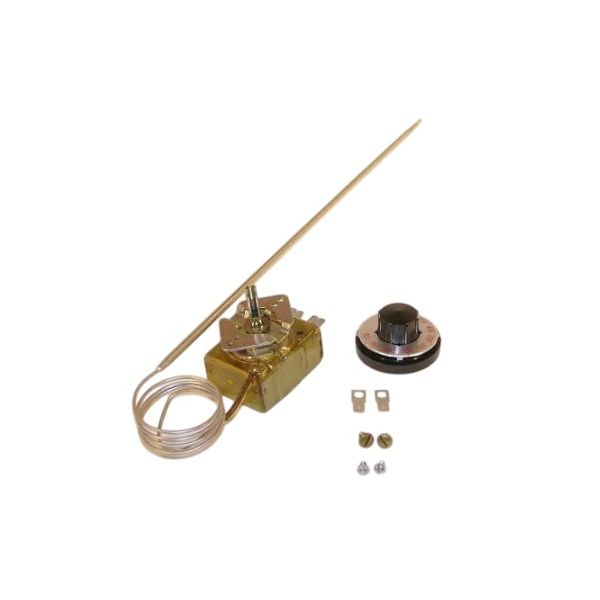
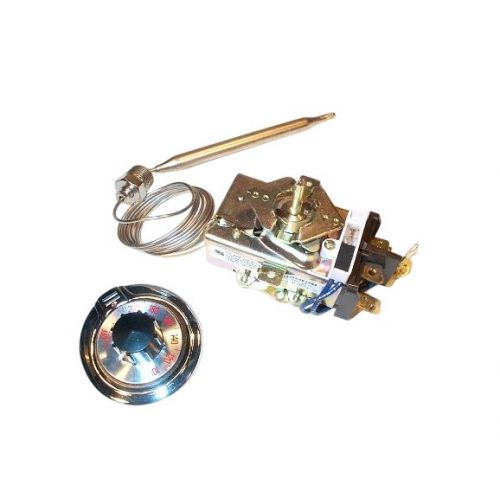
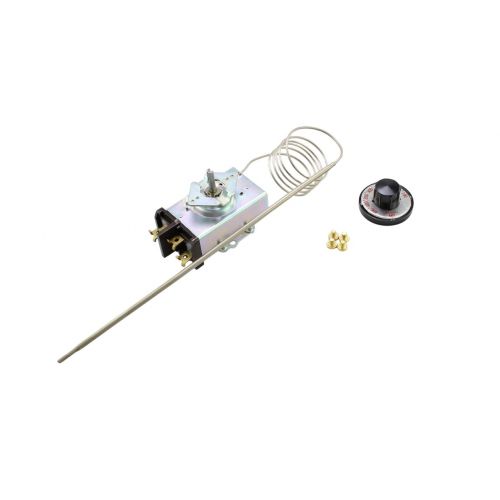
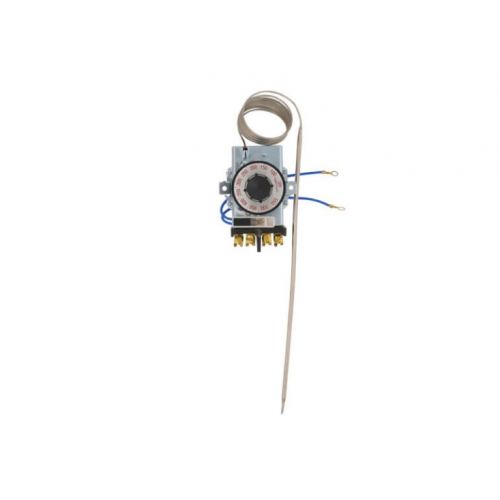
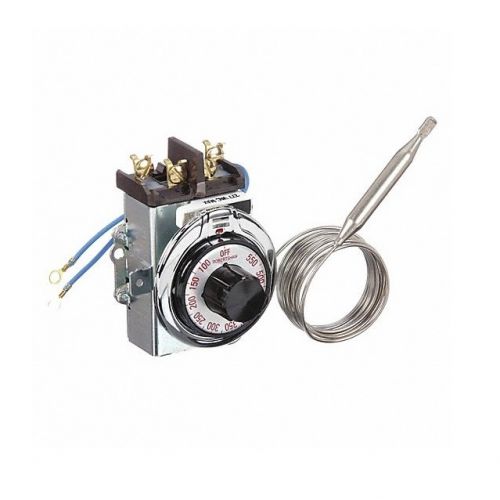
Robertshaw 5210-248 Commercial Electric Thermostat 100-450°F W/24" Capillary

Special Price $239.80 Regular Price $266.17
In stock
SKU
5210-248
The Robertshaw 5210-248 Commercial Electric Thermostat an essential component of the HVAC systems. It is used in controlling temperatures of cooking and heating equipment. This thermostat has a 24” capillary and a range of 100°F to 450°F. It works by temperature variation in the capillary tube where the heating elements are switched on or off to regulate the set point. Designed to be longevity, it enhances energy use, food preparation, and safety in food preparation areas. It is simple to install and efficient in its operation.
https://www.partshnc.com/media/catalog/product/5/2/5210-248.jpg

Specifications

  • Type: Electric Thermostat
  • Capillary Length: 24"
  • Temperature Range: 100°F-450°F

Product Overview:
Temperature regulation in commercial cooking and heating equipment requires an electric thermostat that responds to changes in thermal conditions and controls the heating circuit. The Robertshaw 5210-248 Electric Thermostat is an OEM temperature-control component designed for compatible commercial equipment. Its direct-acting switching mechanism responds to temperature changes through a capillary sensing system, controlling electrical contacts to regulate heating operation within the selected temperature range.

Temperature Control:
The thermostat uses a temperature-sensing bulb and capillary assembly to detect thermal changes. Its direct-acting mechanism operates the electrical contacts according to the selected temperature setting, controlling the connected heating circuit.

Heating Operation:
The thermostat regulates heating operation by cycling the connected circuit according to the selected temperature setting. This allows the equipment to respond to changing thermal conditions within the specified operating range.

Replacement Guidelines:
The Robertshaw 5210-248 thermostat may require replacement if temperature regulation becomes inconsistent, electrical contacts fail to switch, or the heating circuit does not respond to temperature changes. Replacement may also be necessary when faults in the capillary sensing assembly or internal switching mechanism prevent reliable temperature regulation. When selecting a replacement, compare the original part number, temperature range, and capillary length to identify the required thermostat.

Common Signs of Failure:
Inconsistent temperature regulation

Failure of electrical contacts to switch

Capillary sensing assembly damage

Heating remains active beyond the selected temperature setting.

Heating stops before the selected temperature is reached.

Equipment Compatibility:
The Robertshaw 5210-248 is an OEM electric thermostat designed for compatible commercial cooking and heating equipment. Its 100-450°F temperature range and 24" capillary length define its temperature-control and sensing configuration. Verify the original part number and equipment documentation to confirm the correct application before purchasing.

Technical Specifications:
Brand: Robertshaw
Part Number: 5210-248
Product Type: Electric Thermostat
Temperature Range: 100-450°F
Capillary Length: 24"

Write Your Own Review
You're reviewing:Robertshaw 5210-248 Commercial Electric Thermostat 100-450°F W/24" Capillary
Your Rating
Customer Questions
Suggest FAQs for Robertshaw Thermostat?

To clean the thermostat, use a soft, dry cloth. Avoid using liquids or abrasive materials. Regularly check for dust or debris and clean the area around the thermostat.

What should I do if my electric thermostat is not turning on or responding?

First, check the circuit breaker or fuse to ensure power is reaching the thermostat. If power is confirmed, check the thermostat's settings and consult a trained technician.

What should I do if I need to move my thermostat to another part of my home?

If you need to relocate your thermostat, consult the installation manual for guidance on safely disconnecting and reinstalling it. Consider professional assistance if you're unsure about the process.


What maintenance is required for the Robertshaw 5210-248 Thermostat?

Inspect capillary tube and sensing bulb for kinks or damage, ensure proper placement for accurate control. Clean external surfaces and electrical contacts to prevent buildup affecting performance and accuracy. Regular maintenance ensures stable regulation, reduces drift, improves safety high-temperature operation.

What are common issues with the Robertshaw 5210-248 Thermostat?

  • Inaccurate temperature control due to calibration drift or sensor misplacement.
  • Capillary tube kinks or leaks causing inconsistent readings and system fluctuations.
  • Electrical contact wear or oxidation leading to intermittent operation or failure.

What is the primary function of the Robertshaw 5210-248 electric thermostat?

The thermostat provides electrical temperature control for regulating heating operations within its specified operating range.

Which temperature range defines the operating specification of this model?

Specified for 100–450°F, the thermostat covers the temperature span identified in its product designation.

Does the Robertshaw 5210-248 feature a 24-inch capillary?

Yes, the 5210-248 includes a 24-inch capillary as specified in the product title.

What does the electric classification indicate about the thermostat?

The electric classification identifies the thermostat as an electrically operated temperature-control component.

How does the 5210-248 model number distinguish this thermostat?

The 5210-248 designation identifies the specific thermostat model within the Robertshaw product range.

Installation Steps

Step 1: Turn off power at the main circuit breaker.

Step 2: Remove the old thermostat and label wiring connections.

Step 3: Mount the new thermostat securely to the panel or wall.

Step 4: Connect wires to matching terminals per wiring diagram.

Step 5: Position the capillary bulb correctly in the controlled space.

Step 6: Restore power and test temperature settings.

Step 7: Ensure all connections are tight to avoid electrical hazards.