Facebook Pixel

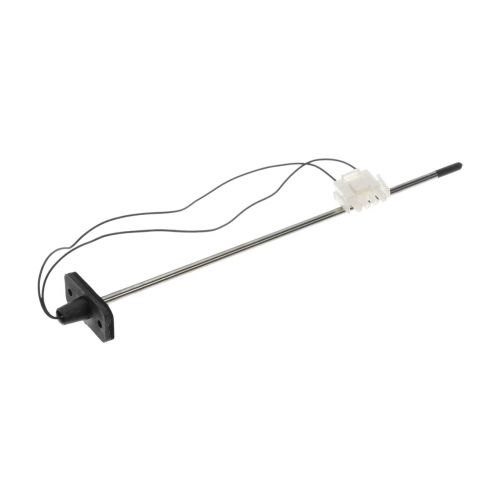
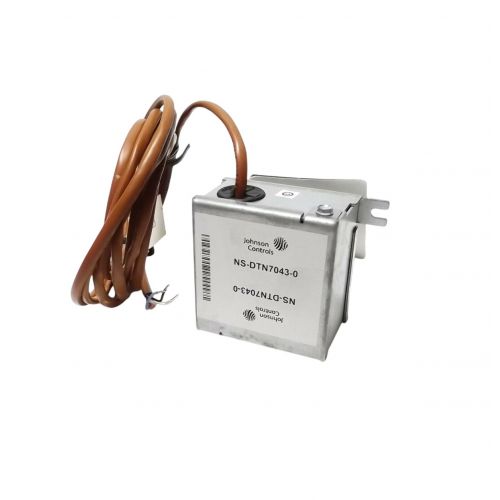
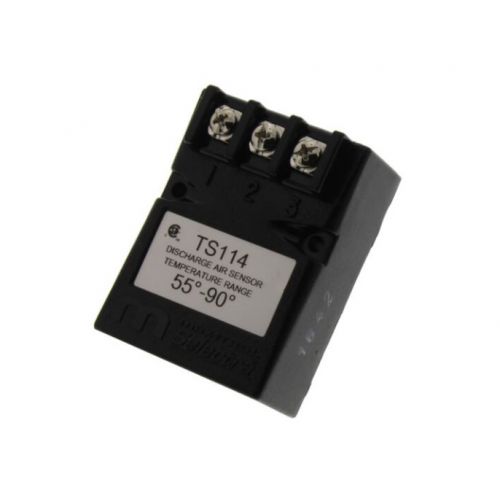
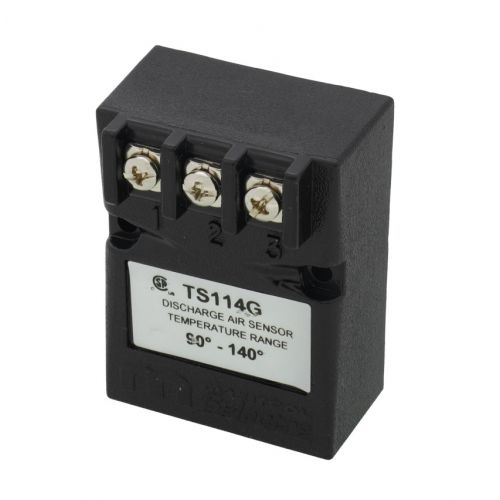
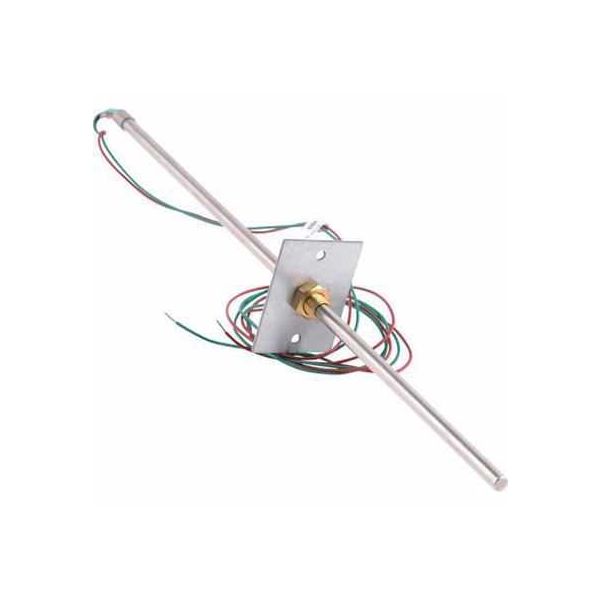
Lennox 88K38 Discharge Air Sensor

Special Price $34.69 Regular Price $45.95
In stock
SKU
88K38
The Lennox 88K38 is a Discharge Air Sensor, an essential component in Lennox HVAC products especially in furnaces and air handlers. This sensor is essential for controlling the operation of the system since it measures the temperature of air coming out of the unit. The sensor sends this temperature information to the furnace or the air handler’s control board. This information is then utilized to fine-tune different parameters of the system, to guarantee its performance is both effective and safe.
Manufacturer:

https://www.partshnc.com/media/catalog/product/0/0/0007323_0.jpg

Specifications

  • Length: 0.9 Inch
  • Width: 13.5 Inch
  • Height: 0.9 Inch
  • Weight: 0.52lbs
  • Measure: Unit
  • Mounting Type: Flange Mount.
Detects temperature conditions in the discharge-air path of applicable HVAC equipment. The Lennox 88K38 Discharge Air Sensor operates within the air-handling arrangement and provides measured temperature information to the associated controls. Its sensing element responds to air conditions at the designated location, allowing the equipment to use that information for temperature-related operation. The component functions as a monitoring device and does not directly generate heating or cooling.

Temperature Monitoring:
As conditioned air flows through the discharge outlet, the sensing element responds to temperature changes by varying its electrical characteristics in proportion to the measured condition. The resulting temperature information allows the air handler controls to monitor outlet air conditions throughout operation.

Control Signal Feedback:
Provides measured temperature information for use by the equipment's control arrangement. The sensor converts the detected condition into an electrical signal that can be interpreted by the connected control circuitry. This framework focuses on the transfer of sensing information from the measurement point to the control system.

Replacement Guidelines:
Replacement of the Lennox 88K38 Discharge Air Sensor is necessary when visible damage, deterioration, wear, or other physical conditions affect the sensor's intended discharge-air sensing role. Inspect the discharge air sensor and related connection areas for conditions that could affect proper sensing within the air conditioning equipment. Replace the component when it can no longer maintain its intended sensing operation within the equipment assembly.

Common Failure Symptoms:

  • Discharge-air temperature readings become inaccurate or inconsistent.
  • The equipment responds unexpectedly to measured air conditions.
  • Heating or cooling operation becomes irregular.
  • Temperature-related control functions respond inconsistently.
  • System operation does not follow the expected sequence.

Equipment Compatibility:
The Lennox 88K38 Discharge Air Sensor is intended for equipment applications specifically documented for this component. Verify the equipment model number, existing component identification, and manufacturer's parts documentation before purchasing.

Technical Specifications:
Brand: Lennox
Part Number: 88K38
Product Type: Discharge Air Sensor

Write Your Own Review
You're reviewing:Lennox 88K38 Discharge Air Sensor
Your Rating
Customer Questions
Can I use this sensor to improve energy efficiency in my home?

Absolutely. By ensuring that your HVAC system only operates as needed and maintains the desired temperature, this sensor can contribute to energy efficiency.

Is it difficult to install a Discharge Air Temperature Sensor in an existing HVAC system?

Installation is typically straightforward and can be done by a qualified HVAC technician. It involves placing the sensor in the appropriate location within the ductwork

Can I adjust the temperature setpoint for the Discharge Air Temperature Sensor to suit my preferences?

In most cases, the setpoint for the sensor is adjusted through the thermostat or HVAC control system. You can customize the temperature to match your comfort preferences using these controls

What maintenance is required for the Lennox 88K38 Discharge Air Sensor?

Regularly inspect the sensor and wiring for dust, corrosion, or loose connections. Clean gently with a soft cloth to maintain accurate readings. Test periodically to ensure proper system operation and prevent false temperature triggers. Always power down the HVAC system before servicing for safety.

What are common issues with the Lennox 88K38 Discharge Air Sensor?

  • Incorrect temperature readings.
  • Intermittent system operation or shutdowns.
  • Loose or damaged wiring connections.
  • Sensor failure causing improper airflow control.

Why does HVAC equipment monitor discharge air temperature?

Monitoring discharge air temperature provides information about the air conditions at the point where conditioned air leaves the equipment.

Where is a discharge air sensor positioned in HVAC equipment?

It is positioned at the equipment discharge section, where it monitors the temperature of air leaving the unit.

How does a discharge air sensor contribute to an HVAC sensing and control system?

The sensor provides temperature information from the equipment discharge area for use within the HVAC sensing and control system.

How is a discharge air sensor different from a room temperature sensor?

A discharge air sensor measures air temperature at the equipment outlet, while a room temperature sensor measures temperature within the conditioned space.

How can I confirm the 88K38 Discharge Air Sensor before purchasing?

Match the Lennox manufacturer identification and 88K38 part number with the applicable HVAC equipment documentation to confirm the intended sensor.

Installation Steps

Step1: Turn off power to the HVAC system to prevent electrical shock.

Step2: Locate and remove the existing discharge air sensor from the duct or coil.

Step3: Disconnect wiring and note positions or take a photo for reference.

Step4: Clean the sensor mounting area to ensure proper contact.

Step5: Install the sensor in the same orientation and secure it in place.

Step6: Reconnect wiring according to the original configuration.

Step7: Restore power and test the system to ensure accurate temperature readings.