
Facebook Pixel

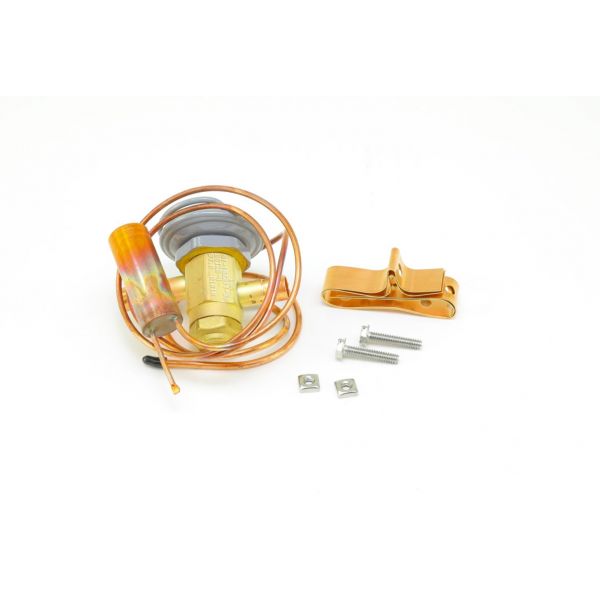
Rheem-Ruud 61-102211-39 4-TonThermal Expansion Valve 3/8" X 3/8" R-410A

Special Price $100.82 Regular Price $115.94
In stock
SKU
61-102211-39
The Rheem-Ruud 61-102211-39 is a Rheem-Ruud 4-Ton Thermal Expansion Valve (TXV) designed for use in mid-sized home air conditioning systems that uses R-410A refrigerants. This valve is used in managing flow of refrigerant in the system with a view of achieving the better performance in cooling. This is how it works. In use, the compressor compresses the refrigerant, changing hot high pressure gas into cold liquid. This heated gas then goes to the condenser coils which are usually located outside, here the heat is expelled to the atmosphere. The colder, high-pressure liquid refrigerant then flows into what is known as a TXV or thermal expansion valve.
Manufacturer:

https://www.partshnc.com/media/catalog/product/6/1/61-102211-39.jpg

Specifications

  • Type: Thermal Expansion Valve
  • Valve Dimension: 3/8" X 3/8"
  • Cooling Capacity: 4-Ton
  • Refrigerantion Type: R-410A
  • Weight: 0.96lbs

PRODUCT OVERVIEW:
A thermal expansion valve serves as a primary metering device that controls liquid refrigerant flow into an evaporator coil based on system cooling demand. The Rheem-Ruud 61-102211-39 4-Ton Thermal Expansion Valve 3/8" X 3/8" R-410A is a metering component designed for 4-ton capacity HVAC equipment operating with R-410A refrigerant. By regulating liquid refrigerant flow entering the evaporator coil, this component maintains system fluid control and supports heat absorption across the heat exchanger assembly.

EVAPORATOR DEMAND BALANCING:
Maintaining the appropriate relationship between refrigerant supply and evaporator load allows the TXV to accommodate changing cooling requirements. As the heat load on the coil varies, the metering process adjusts the amount of refrigerant admitted into the evaporator. This supports consistent refrigerant distribution according to the evaporator's operating demand.

THERMOSTATIC SENSING RESPONSE:
Temperature changes at the designated sensing location generate a corresponding pressure response within the sensing assembly. This pressure acts on the internal valve mechanism and influences its position, causing the metering passage to change. The resulting mechanical response allows refrigerant admission to react to the sensed evaporator condition.

REPLACEMENT GUIDELINES:
Replacement of Rheem-Ruud 61-102211-39 may be appropriate when the existing thermal expansion valve has sustained physical damage, developed a condition that prevents proper operation, or can no longer provide the required refrigerant control. Replacement may also be considered when service evaluation confirms that the component is no longer suitable for continued use. Installing the appropriate replacement restores the required metering control within the applicable refrigeration system.

Common Failure Symptoms:

  • Frost or ice buildup at the evaporator coil inlet
  • Abnormally low suction pressure combined with high superheat readings
  • Inability of the equipment to maintain expected cooling output
  • Restricted refrigerant flow causing evaporator coil starvation
  • System cut-outs triggered by low-pressure safety switches

EQUIPMENT COMPATIBILITY:
The Rheem-Ruud 61-102211-39 4-Ton Thermal Expansion Valve is an OEM component intended for compatible Rheem and Ruud HVAC equipment using the applicable R-410A refrigeration configuration. Verify the equipment manufacturer, system capacity, refrigerant application, connection arrangement, and existing valve identification against the applicable equipment documentation before selecting the component.

Technical Specifications:
Product identification:
Manufacturer: Rheem-Ruud
Part Number: 61-102211-39
Component Type: Thermal Expansion Valve
Physical specifications:
Connection Size: 3/8" x 3/8"
Operating conditions:
Refrigerant Type: R-410A
Flow & capacity specifications:
Capacity Rating: 4 Ton

Write Your Own Review
You're reviewing:Rheem-Ruud 61-102211-39 4-TonThermal Expansion Valve 3/8" X 3/8" R-410A
Your Rating
Customer Questions
What maintenance is required for the Rheem-Ruud 61-102211-39 Thermal Expansion Valve?

Regularly inspect the valve for leaks, corrosion, or buildup. Ensure connections are secure and refrigerant lines are clean. Proper maintenance prevents pressure fluctuations and ensures optimal cooling performance. Handle carefully to avoid damaging delicate components.

What are common issues with the Rheem-Ruud 61-102211-39 Thermal Expansion Valve?

  • Refrigerant flow restrictions.
  • Pressure fluctuations.
  • Valve sticking or failing to modulate.
  • Leaks at connection points.

What is the main function of the Rheem-Ruud 61-102211-39 thermal expansion valve?

It meters liquid R-410A refrigerant into the evaporator coil based on thermal load to maintain target superheat and cooling performance.

What equipment capacity and connection size does this valve support?

This expansion valve is rated for 4-ton system capacities and features 3/8-inch by 3/8-inch line connections.

Why is R-410A calibration critical for this TXV?

R-410A operates at higher system pressures, requiring specific internal calibration to ensure accurate flow modulation and stable operating pressures.

How does this expansion valve protect the compressor from damage?

It ensures all liquid refrigerant fully vaporizes before exiting the evaporator, preventing liquid slugging into the compressor suction port.

What should be verified before installing this expansion valve?

Confirm that your equipment requires a 4-ton capacity, utilizes R-410A refrigerant, has 3/8-inch by 3/8-inch connections, and matches part number 61-102211-39.

Installation Steps

Step1: Turn off the HVAC system and disconnect power to ensure safety.

Step2: Locate the liquid line near the evaporator coil and remove the existing TXV if present.

Step3: Clean the connection points to remove debris or old refrigerant residue.

Step4: Apply appropriate refrigerant oil to the valve fittings.

Step5: Install the new Thermal expansion valve, tightening connections to torque specifications.

Step6: Restore power and test system operation for leaks and proper cooling.