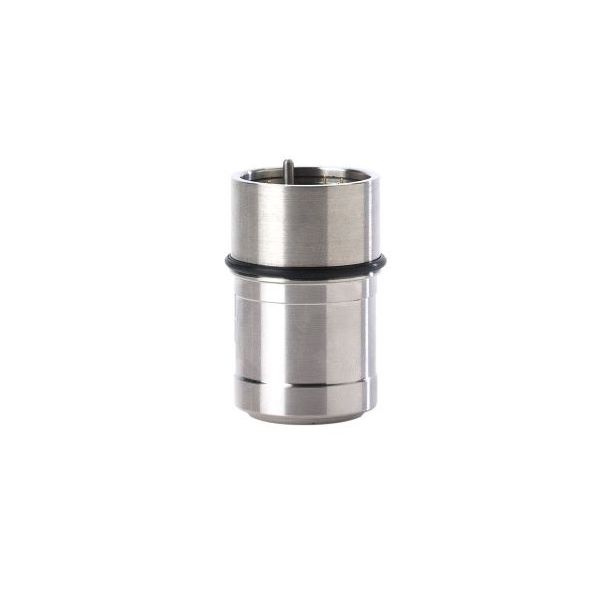
Honeywell Analytics SPXCDXSRXSS Flammable IR-Sensor is a high performance infrared sensor for detecting flammable gases in a 0-100% LEL range. With fast, accurate and reliable gas detection it provides increased in hazardous environments, utilising advanced IR technology. Commonly used in HVAC systems, industrial gas detection, and commercial buildings to help prevent gas leaks and explosions, this sensor. NDIR sensing eliminates the need for frequent calibration, and reduces maintenance costs. It has robust construction, high resistance to poisoning, and long operational life, providing workplace safety and uninterrupted, efficient HVAC system performance.
The SPXCDXSRXSS by Honeywell Analytics stands as the vigilant guardian of methane safety, boasting a precise sensor seamlessly integrated with a built-in transmitter. This advanced device diligently detects methane leaks, promptly relaying crucial data to alarm systems, ensuring safety across diverse environments. In factories, it monitors for explosive gas leaks; at gas facilities, it oversees pipelines and storage; in confined spaces, it guarantees safe entry for workers. Additionally, the SPXCDXSRXSS contributes to environmental protection by tracking methane emissions. Beyond safety, its early detection capabilities prevent explosions, fires, and injuries, enhancing overall safety. Moreover, this SPXCDXSRXSS Honeywell Analytics sensor promotes improved process efficiency through proactive maintenance and leak detection, leading to cost savings and reduced downtime. Compliant with safety regulations and environmental monitoring requirements, this user-friendly sensor ensures easy installation, configuration, and monitoring for seamless operational integration.
Key Features:
Accurate and reliable methane detection.
Fast response time for timely action in hazardous situations.
Compact and lightweight for easy integration into existing systems.
Durable construction for harsh environments.
Built-in Sensepoint XCD Transmitter for convenient signal transmission.
Tri-colored backlit display with digits, bar graph, and icons for user-friendly monitoring.
Configurable via magnetic switches for non-intrusive operation.
Selectable sink or source 4-20 mA output for flexibility.
Alarm and fault relays for enhanced safety.
MODBUS communications for remote diagnostics and configuration.Benefits:
Signs of Faulty Honeywell SPXCDXSRXSS
Recognizing potential issues with the Honeywell Analytics SPXCDXSRXSS, a combined methane sensor and transmitter, is crucial for ensuring safety in various environments. Here are some signs that could indicate a fault:
Performance Issues:
Inconsistent or erratic methane readings: Fluctuations in displayed CH4 levels, even in stable environments, might suggest sensor malfunction or calibration drift.
Unrealistic methane readings: Values outside the expected range (0-100% LEL) could indicate sensor failure, interference from other gases, or transmitter issues.
Failure to respond to methane changes: If the sensor doesn't register changes in CH4 levels despite known exposure, it might be faulty or require calibration.
False alarms or malfunction indicators: Erroneous alarms triggered without actual methane leaks or system error messages requiring attention point towards potential faults.
Slow response time: The sensor taking longer than usual to respond to changes in CH4 levels might indicate sensor aging, calibration drift, or transmitter issues.
Physical Indicators:
Visible damage: Look for cracks, corrosion, or contamination on the sensor housing, inlet, or display, as physical damage can affect performance.
Loose connections: Ensure all wiring and connections are secure and free of corrosion, as loose connections can disrupt signal transmission.
Contamination buildup: Dust, dirt, or other debris on the sensor inlet can interfere with its ability to accurately detect methane.
Transmitter-Specific Signs:
Dimmed or malfunctioning display: Issues with the display backlight or flickering/missing digits could indicate transmitter problems.
Unexpected output signal changes: Erratic or incorrect 4-20 mA output signals could point towards transmitter malfunctions.
Communication failures: Lack of response to MODBUS commands or data transmission errors might suggest communication issues within the transmitter.
Additional Considerations:
Changes in baseline readings: Consistent shifts in the baseline CH4 readings over time might indicate sensor drift, calibration issues, or transmitter anomalies.
Frequent calibration needed: If the sensor requires calibration more often than recommended, it could be nearing the end of its lifespan or have internal issues.
Choose the best HVAC equipment parts and supplies from PartsHnC!
 Loyalty Program