Facebook Pixel

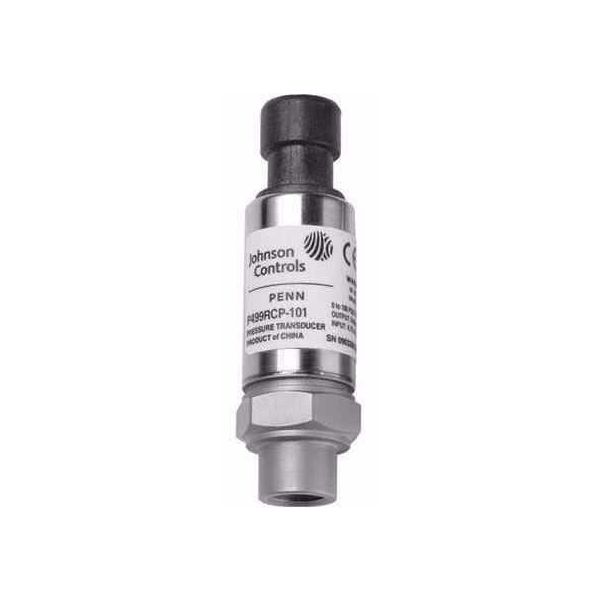
Johnson Controls P499RCP-105 Pressure Transducer 0-500 PSI

Special Price $175.05 Regular Price $201.31
In stock
SKU
P499RCP-105
The Johnson Controls P499RCP-105 Pressure Transducer is a quality device to use for high pressure measurement in an HVAC system. It operates on the temperature rage 0°F-185°F, and the pressure of 0-500 PSI. This transducer is and designed to be used for ample of uses with a 1/4 ”SAE 45° flare internal thread pressure port. This pressure transducer works in such a manner that pressure reading is converted into electrical signals for transferring to controlling circuits for monitoring and control in real time.
https://www.partshnc.com/media/catalog/product/0/0/0006874_0_4.jpg

Specifications

  • Pressure Range: 0-500 PSI
  • Operating Temperature Range: 0°F to 185°F
  • Pressure Port: 1/4" SAE 45° Flare internal thread
  • Weight: 0.18lbs
Manufacturer Name: Johnson Controls
Product Number: P499RCP-105
OEM Part Number: P499RCP-105
Product Description: 0/500# Pressure Transducer
Weight:0.18lbs/81.65g

Choose the best HVAC equipment parts and supplies from PartsHnC!

  • Same Day Shipping

  • Best Quality And Best Price

  • Wide Range of Inventory

  • Best Customer Service

Have More Questions or Need Help to Place The Order?
Reach us at (866)773-0907 or [email protected]

Write Your Own Review
You're reviewing:Johnson Controls P499RCP-105 Pressure Transducer 0-500 PSI
Your Rating
Customer Questions
What maintenance is required for the Johnson Controls P499RCP-105 Pressure Transducer?

Inspect the pressure transducer regularly for loose wiring, refrigerant leaks, corrosion, or damaged pressure connections that may affect signal accuracy. Keep the sensing port clean and protected from moisture or debris buildup. Periodically verify output signal calibration and electrical connections to maintain accurate HVAC or refrigeration pressure monitoring.

What are common issues with the Johnson Controls P499RCP-105 Pressure Transducer?

  • Inaccurate pressure readings during operation.
  • Output signal fluctuations or calibration drift.
  • Refrigerant leaks around the pressure connection.
  • Electrical connector corrosion causing intermittent signals.
  • Sensor failure from overpressure conditions.

Installation Steps

Step 1: Disconnect power and fully depressurize system before installation.

Step 2: Verify pressure range compatibility and correct port/thread size.

Step 3: Apply thread sealant and mount transducer securely to pressure line.

Step 4: Tighten to manufacturer torque specifications to avoid damage.

Step 5: Wire sensor following diagram, power, signal output, and ground.

Step 6: Restore power, calibrate output, and test system response.