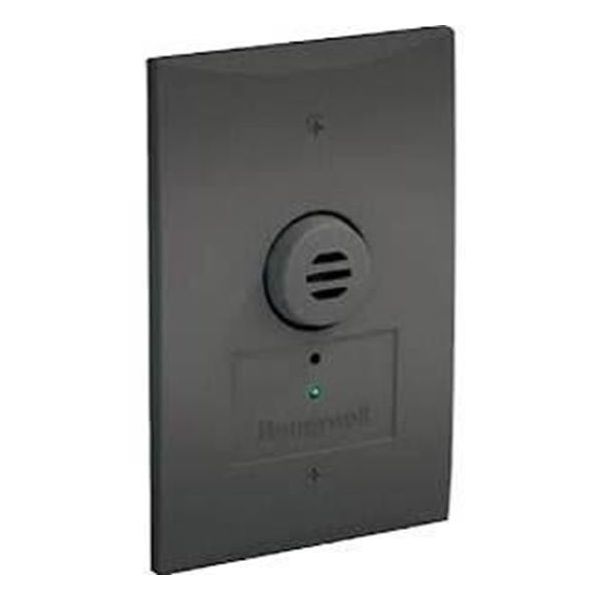
Honeywell Analytics E3SRMNO2 Remote Sensor is a high performance nitrogen dioxide sensor for HVAC applications to enable safe air quality monitoring. This remote sensor operates from -4°F to 122°F and measures NO₂ levels in loading docks, and mechanical rooms where vehicle emissions or combustion gases are a potential hazard. It is compatible with Honeywell gas monitoring systems, and integrates well into HVAC systems controls maximizing air exchange efficiency. Early detection of gases, increased indoor air and compliance with safety regulations are the benefits in this case. The remote mounting capability enables flexible installation in many commercial and industrial conditions.
The Honeywell Analytics E3SRMNO2, a remote nitrogen dioxide (NO2) sensor designed for the E3Point gas detection system, enhances safety by providing early warnings of NO2 levels, preventing respiratory issues. Its proactive approach allows process adjustments, reducing NO2 emissions for compliance with environmental regulations. Continuous monitoring ensures peace of mind, minimizing the risk of NO2-related incidents. The E3SRMNO2 Honeywell Analytics remote sensor's role in meeting safety and environmental regulations establishes a foundation for a safer, healthier, and more sustainable operational environment.
Key Features:
Accurate NO2 Detection: Measures NO2 concentrations in the air with high accuracy (typically within ±0.5 ppm) and a detection range of 0-100 ppm.
Durable and Reliable: Built to withstand harsh industrial environments, with weatherproof construction and long-lasting electrochemical sensor technology.
Remote Monitoring Capabilities: Connects to the E3Point control unit via a 4-20 mA current loop, enabling remote monitoring of NO2 levels from a safe distance.
Adjustable Alarm Setpoint: Allows you to customize the NO2 level at which an alarm triggers, ensuring timely warnings for potential hazards.
Easy Installation and Maintenance: Simple to mount and connect, with minimal ongoing maintenance required.
Signs of a Faulty Honeywell Analytics E3SRMNO2 Remote Sensor
Recognizing potential issues with the Honeywell Analytics E3SRMNO2 remote nitrogen dioxide (NO2) sensor is crucial for maintaining safety and environmental compliance in various environments. Here are some signs that could indicate a fault:
Performance Issues:
Inconsistent or erratic NO2 readings: Fluctuations in displayed NO2 levels, even in stable environments, might suggest sensor malfunction or calibration drift.
Unrealistic NO2 readings: Values outside the expected range (0-100 ppm) could indicate sensor failure, interference from other gases, or communication issues with the E3Point control unit.
Failure to respond to NO2 changes: If the E3SRMNO2 doesn't register changes in NO2 levels despite known exposure, it might be faulty or require calibration.
False alarms or malfunction indicators: Erroneous alarms triggered without actual NO2 leaks or system error messages requiring attention point towards potential faults.
Slow response time: The sensor taking longer than usual to respond to changes in NO2 levels might indicate internal issues or communication problems.
Physical Indicators:
Visible damage: Look for cracks, corrosion, or contamination on the sensor housing, cable connections, or display (if applicable). Physical damage can affect performance and accuracy.
Loose connections: Ensure all wiring and cable connections are secure and free of corrosion, as loose connections can disrupt communication with the control unit.
Contamination buildup: Dust, dirt, or other debris on the sensor inlet might interfere with its ability to accurately detect NO2.
Communication Issues:
Loss of communication with the E3Point control unit: The sensor might not be transmitting data properly, resulting in missing readings or unresponsive behavior.
Data transmission errors: Corrupted or incomplete data might point towards communication problems between the sensor and the control unit.
Additional Considerations:
Changes in baseline readings: Consistent shifts in the baseline NO2 readings over time might indicate sensor drift, calibration issues, or environmental factors.
Frequent calibration needed: If the sensor requires calibration more often than recommended, it could be nearing the end of its lifespan or have internal issues.
Choose the best HVAC equipment parts and supplies from PartsHnC!
From chemical plants and welding areas to parking garages and warehouses, it keeps watch wherever NO2 emissions could pose a risk. Even environmental researchers rely on it to track air quality.
Why choose the E3SRMNO2?
Enhanced safety: Early NO2 detection means fewer respiratory issues and a healthier environment.
Compliance with regulations: Helps meet safety and environmental standards for NO2 exposure.
Peace of mind: Continuous monitoring lets you breathe easy knowing your NO2 detector is on duty.
 Loyalty Program