Facebook Pixel

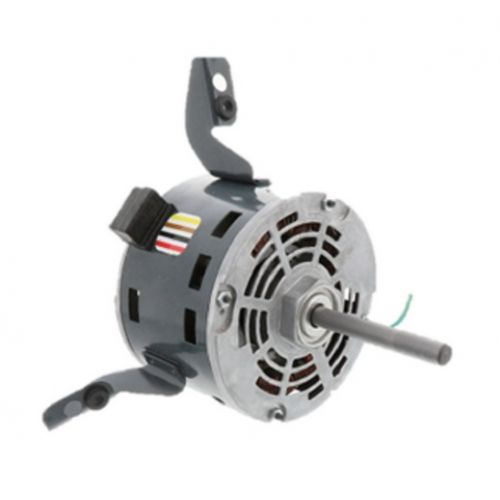
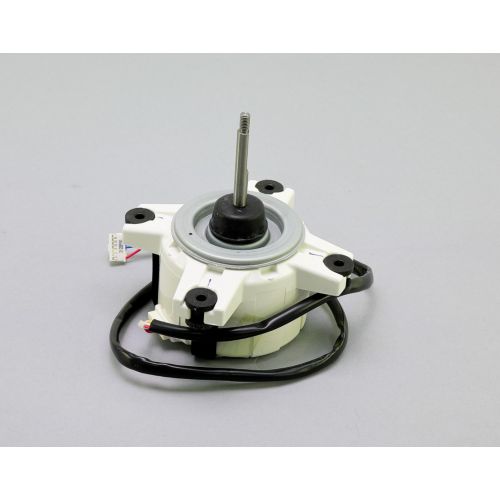
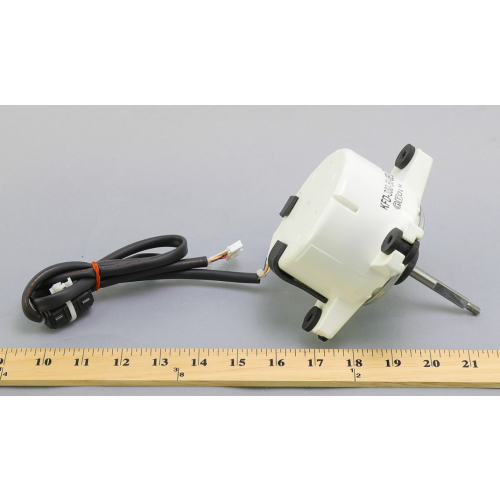
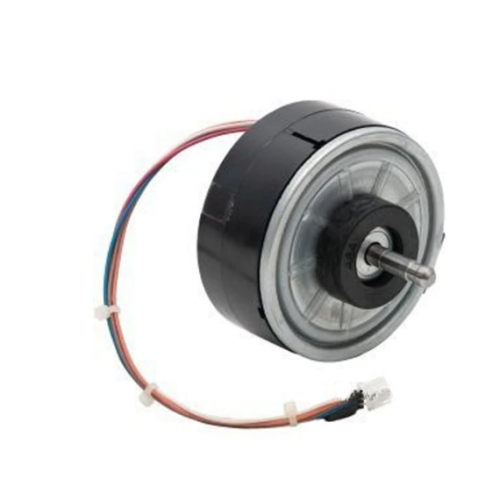
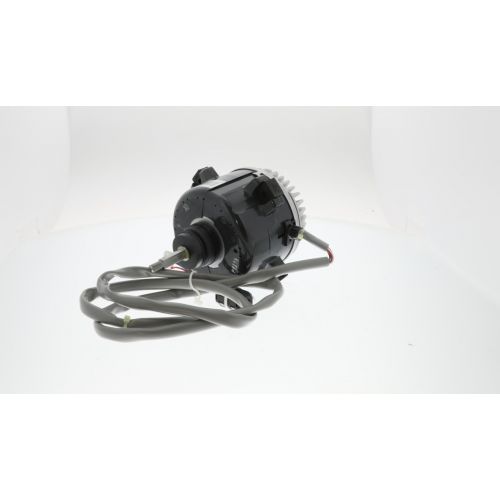
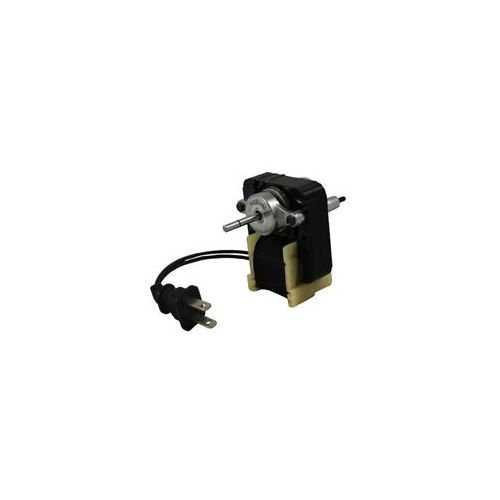
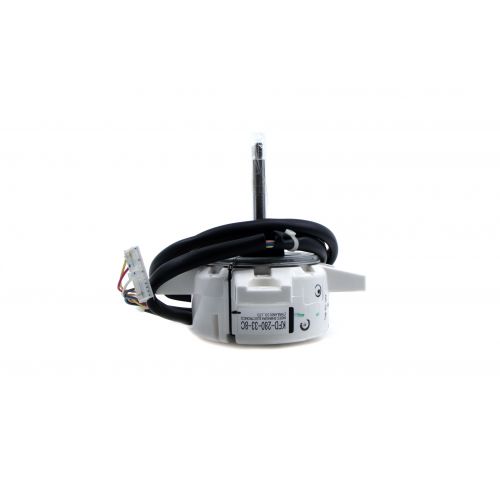
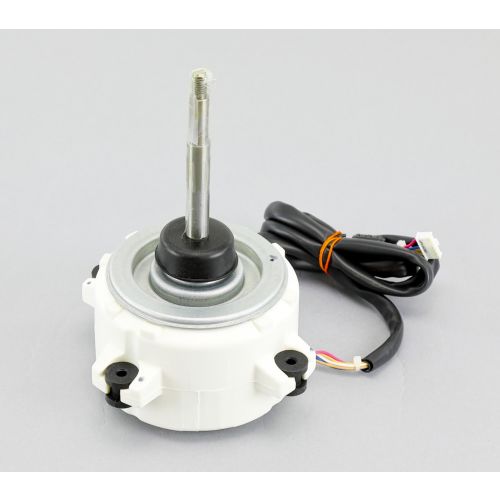
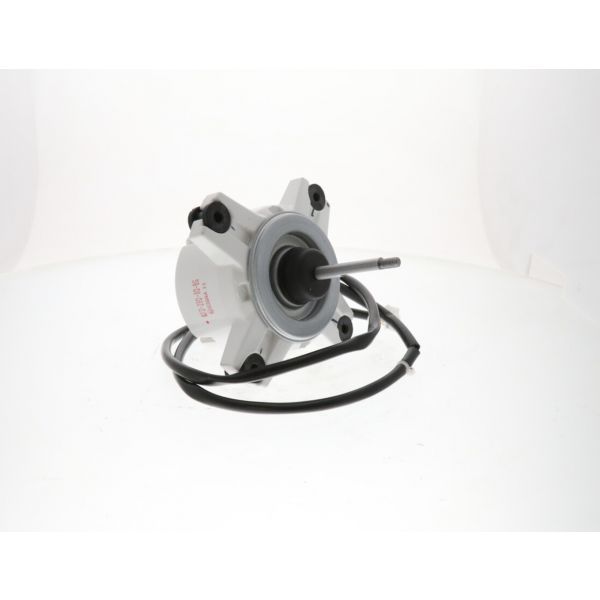
Daikin-McQuay 2302764 60W Condenser Fan Motor

Special Price $288.96 Regular Price $320.74
In stock
SKU
2302764

The Daikin-McQuay 2302764 Condenser Fan Motor is a critical component in HVAC systems, designed to power the condenser fan, which is essential in the cooling process. This motor, which is included in air conditioners and heat pumps, drives the fan blades to pull outside air across the condenser coils, allowing heat to be transferred from the refrigerant to the surrounding air. The condenser fan motor contributes to the HVAC system's ability to operate at ideal temperatures by effectively dispersing heat, guaranteeing dependable and effective operation. Its lengthy duration is a result of its sturdy design and excellent engineering, which also lessens the need for regular maintenance and guarantees steady cooling capacity.

https://www.partshnc.com/media/catalog/product/2/3/2302764-daikin-mcquay_partshnc.jpg

Condenser sections use fan motors to provide the mechanical drive needed for airflow. The Daikin-McQuay 2302764 is a condenser fan motor that supplies rotational drive to the connected fan assembly. This allows the fan to perform its air-moving function within the condenser section.

Mechanical Drive to the Condenser Fan:
The motor converts electrical input into mechanical rotation at its shaft. This rotation is transferred to the connected fan, allowing the fan to move air through the condenser section. The motor provides the mechanical drive, while the fan performs the resulting air movement.

Replacement Guidelines:
Replacement may be appropriate when the existing Daikin-McQuay 2302764 no longer provides the required mechanical drive or develops irregular shaft rotation. Before ordering, compare the existing part number with the applicable equipment requirements and verified specifications.

Common Failure Symptoms:

  • The motor fails to start when required.
  • Motor operation becomes intermittent.
  • Irregular shaft rotation develops.
  • Unusual noise or noticeable vibration occurs during operation.
  • Visible physical damage is present.

Equipment Compatibility:
The Daikin-McQuay 2302764 Condenser Fan Motor should be selected for condenser fan applications requiring the corresponding motor configuration. Before purchasing, confirm the existing part number, condenser fan application, motor configuration, and other applicable equipment requirements.

Technical Specifications:
Part Identification:
Brand: Daikin-McQuay
Part Number: 2302764
Product Type: Condenser Fan Motor

Electrical:
Power: 60 W

Write Your Own Review
You're reviewing:Daikin-McQuay 2302764 60W Condenser Fan Motor
Your Rating
Customer Questions
What are the common signs of a failing condenser fan motor?

Signs of a failing condenser fan motor include reduced cooling efficiency, unusual noises, overheating, and irregular airflow – all indicating potential motor issues.

How often should condenser fan motors be inspected and maintained?

Regular maintenance, typically on an annual basis, is recommended to ensure smooth operation, detect issues early, and extend the motor's lifespan.

What maintenance is required for the Daikin-McQuay 2302764 Condenser Fan Motor?

Regularly inspect the motor for dust, debris, or signs of overheating. Clean the fan blades and surrounding area to ensure proper airflow. Lubricate bearings if recommended and check electrical connections for tightness. Always power down the unit before maintenance to prevent electrical or mechanical hazards.

What are common issues with the Daikin-McQuay 2302764 Condenser Fan Motor?

  • Reduced airflow or weak performance.
  • Excessive vibration or noise during operation.
  • Overheating or thermal shutdowns.
  • Loose or faulty electrical connections.

Where does the 2302764 condenser fan motor operate within cooling equipment?

It operates within the condenser assembly alongside the fan and coil as part of the equipment’s air-moving arrangement.

How does the condenser fan motor generate movement for the fan?

The motor converts electrical energy into mechanical rotation and transfers that rotation through its shaft to the connected condenser fan.

Why is condenser fan motor operation important during cooling?

The motor provides the rotational movement needed for the fan to move air through the condenser section during cooling operation.

How does the condenser fan motor interact with the condenser coil?

The motor drives the fan, which moves air through the condenser area and supports the coil’s heat-transfer process during cooling operation.

Which part of the cooling process relies on the motor’s rotational output?

The motor supports the condenser air-moving stage by supplying the rotational motion required for fan operation and airflow across the condenser area.

What type of component is the Daikin-McQuay 2302764?

The Daikin-McQuay 2302764 is a condenser fan motor that provides rotational drive to a connected fan assembly.

How is the 2302764 different from the condenser fan it drives?

The motor provides the mechanical drive, while the condenser fan uses that rotation to move air through the condenser section.

Why is the exact 2302764 part number important?

The exact part number identifies the specific condenser fan motor and helps distinguish it from other motor configurations when matching the existing component.

What does the 60W rating identify on the 2302764?

The 60W value identifies the motor's specified power rating and is part of the electrical characteristics to consider when matching the component.

What should be confirmed before purchasing the 2302764?

Confirm the existing part number, condenser fan application, motor configuration, and other applicable equipment requirements before purchasing.

Installation Steps

Step1: Turn off power to the HVAC system to prevent electrical shock.

Step2: Remove the condenser fan guard and disconnect wiring from the old motor.

Step3: Loosen mounting bolts and carefully remove the existing fan motor.

Step4: Inspect the fan blade and shaft for damage or debris.

Step5: Install the condenser fan motor, aligning the shaft and mounting holes.

Step6: Secure bolts, reconnect wiring, and reinstall the fan guard.

Step7: Restore power and test the fan for proper rotation and operation.