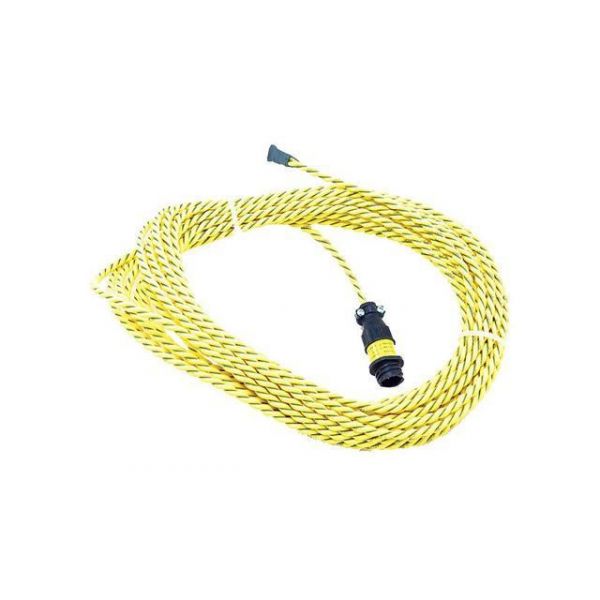
The Liebert 176125P4 Water Leak Detection Cable an essential tool for HVAC systems, which is intended for effective water leak detection. This cable is 35-feet long and functions by detecting moisture across the entire length of the cable and delivering real-time possible water damage. It can be used in combination HVAC systems and provides coverage for the wide range of configurations. Some of the advantages of this detection cable include. Early leakage detection enables maintenance to be done to prevent further damage and expensive repairs. Also, it has a high-quality construction that increases the product’s life, which is essential if used in areas that are likely to experience leakage.
The Liebert 176125P4 presents a reliable solution for detecting refrigerant leaks within HVAC systems, featuring a robust 35-foot leak detector cable. Crafted from durable materials, the cable boasts resistance against corrosion and abrasion, ensuring longevity and efficiency. Equipped with a sensitive sensor at its end, the cable swiftly identifies the presence of refrigerant. Upon detection of a leak, the sensor promptly sends a signal to the control unit. The control unit, in turn, activates an alarm, providing timely alerts and enabling swift corrective actions. This 176125P4 Liebert leak detector cable sophisticated and resilient leak detection system enhances the safety and efficiency of HVAC operations, offering peace of mind in managing potential refrigerant issues.
Key features:
Length: 35 feet (10.67 meters)
Material: Typically constructed from durable, corrosion-resistant materials like PVC or Teflon.
Connectors: Equipped with compatible connectors for easy integration with specific leak detection systems or controllers.
Compatibility: Designed to work with various Liebert models and potentially other compatible brands of leak detection systems.
Signs of a Faulty Liebert Leak Detector Cable
Physical signs:
Visible damage: Look for any tears, cuts, or punctures in the cable. These could allow liquid to leak into the cable and damage the sensor.
Corrosion: Check for any signs of corrosion on the cable or the connectors. Corrosion can damage the electrical connections and prevent the cable from working properly.
Loose connections: Make sure that the connectors at the end of the cable are tight and secure. Loose connections can also prevent the cable from working properly.
Operational signs:
False alarms: If the cable is frequently triggering alarms, even when there is no leak, it could be a sign that the sensor is faulty.
No alarms: If the cable never triggers an alarm, even when there is a leak, it could be a sign that the sensor is not working properly.
Reduced sensitivity: If the cable is not detecting leaks as quickly or as easily as it used to, it could be a sign that the sensor is losing sensitivity.
Choose the best HVAC equipment parts and supplies from PartsHnC!
 Loyalty Program