Facebook Pixel

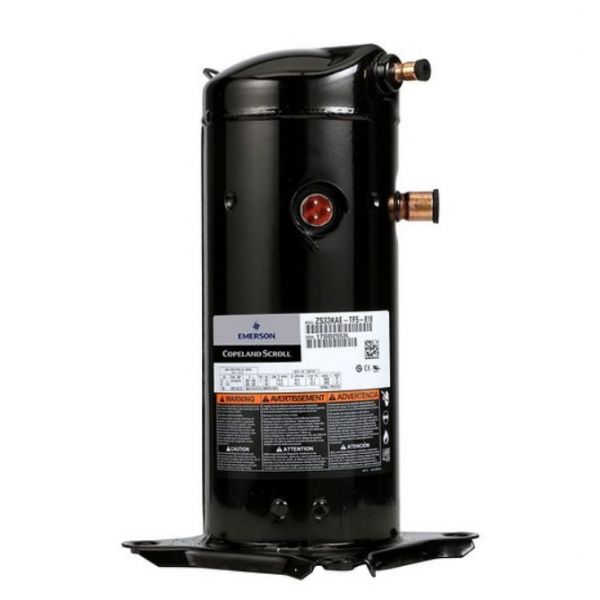
Copeland ZS21KAE-TFD-818 Scroll Compressor 21000 BTU 460V/3PH

Special Price $2,518.86 Regular Price $2,795.93
In stock
SKU
ZS21KAE-TFD-818
The Copeland ZS21KAE-TFD-818 Scroll Compressor is a high-performance refrigeration product is suitable for middle to high capacity. With a capacity of 21000 BTU, this scroll compressor is powered by a 460V three-phase electrical supply and has a unique design that makes it both efficient and reliable. It works by using two interleaving scrolls one is stationary while the other revolves around the first one. As the scroll orbits, the gas pockets are formed and the refrigerant is trapped and compressed in a smaller volume hence increasing pressure and temperature before it is released through the middle of the assembly. Which makes the operation of this tool-less noisy and requires less maintenance as compared to piston compressors.
Manufacturer:

https://www.partshnc.com/media/catalog/product/z/s/zs21kae-tfd-818-1.jpg

Specifications

  • Type: Scroll Compressor
  • Capacity: 21000 BTU
  • Voltage: 460V
  • Phase: 3
Write Your Own Review
You're reviewing:Copeland ZS21KAE-TFD-818 Scroll Compressor 21000 BTU 460V/3PH
Your Rating
Customer Questions
What maintenance is required for the Copeland ZS21KAE-TFD-818 Scroll Compressor?

Regularly inspect for oil leaks, unusual noises, or vibration. Check electrical connections and ensure proper voltage supply. Keep surrounding components clean and unobstructed. Always disconnect power before performing any maintenance to ensure safety.

What are common issues with the Copeland ZS21KAE-TFD-818 Scroll Compressor?

  • Compressor failing to start or short cycling.
  • Overheating or tripping electrical breakers.
  • Unusual noises from internal wear or debris.
  • Oil leaks or insufficient lubrication affecting performance.

Installation Steps

Step 1: Turn off all power to the HVAC system and ensure the area is ventilated.

Step 2: Position the compressor on a flat, vibration-free surface.

Step 3: Secure mounting bolts and ensure alignment with system connections.

Step 4: Connect electrical wiring per the manufacturer’s diagram and verify voltage matches

Step 5: Connect suction and discharge lines using proper fittings; check for leaks.

Step 6: Evacuate the system and recharge with proper refrigerant.

Step 7: Power on, monitor startup, and ensure smooth operation.