Facebook Pixel

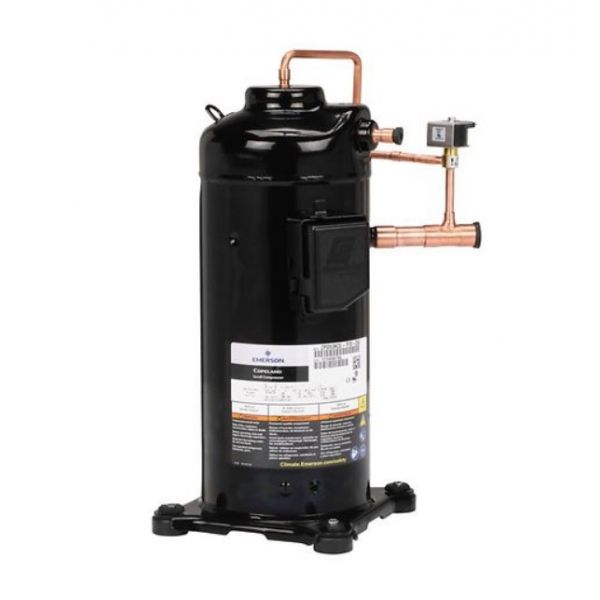
Copeland ZPD72KCE-TFD-950 Modulating Compressor R410A 460V/3PH

Special Price $3,345.13 Regular Price $3,713.09
In stock
SKU
ZPD72KCE-TFD-950
The Copeland ZPD72KCE-TFD-950 Modulating Scroll Compressor is high-performance for HVAC systems for air conditioning and heat pump systems. This compressor runs on R410A refrigerant is supplied by a 460V, 3-phase electrical source, and has a nominal capacity of 72,000 BTU/hr. Its unique structure involves two intertwining scrolls that move in an orbital to compress the refrigerant with high efficiency and low energy use and noise. The modulating feature makes it easy for the compressor to change the capacity to meet the desired temperature and comfort levels due to fluctuating load conditions. Besides, this capability also enhances energy quality while minimizing wear rates, which increases the service life of the system and subsequently decreases maintenance.
Manufacturer:

https://www.partshnc.com/media/catalog/product/z/p/zpd72kce-tfd-950-1.jpg

Specifications

  • Type: Modulating Scroll Compressor
  • Refrigerant: R410A
  • Voltage: 460V
  • Phase: 3
Write Your Own Review
You're reviewing:Copeland ZPD72KCE-TFD-950 Modulating Compressor R410A 460V/3PH
Your Rating
Customer Questions
What maintenance is required for the Copeland ZPD72KCE-TFD-950 Modulating Compressor?

Regularly inspect for refrigerant leaks, unusual noises, and vibration. Ensure electrical connections are tight and clean. Check oil levels and system pressures for proper operation. Always follow safety protocols when working with high-voltage and pressurized refrigerant systems.

What are common issues with the Copeland ZPD72KCE-TFD-950 Modulating Compressor?

  • Loss of cooling capacity due to refrigerant leaks.
  • Erratic modulation or pressure fluctuations.
  • Excessive vibration or unusual operating noises.
  • Electrical faults causing intermittent or failed operation.

Installation Steps

Step 1: Disconnect all power sources before starting installation.

Step 2: Position the new compressor on a stable, vibration-free surface.

Step 3: Connect suction and discharge lines, ensuring proper alignment and leak-free fittings.

Step 4: Wire the new electrical connections following wiring diagram.

Step 5: Evacuate the system and charge with refrigerant per specifications.

Step 6: Power on, monitor for correct operation, and ensure all safety protocols are followed.