Facebook Pixel

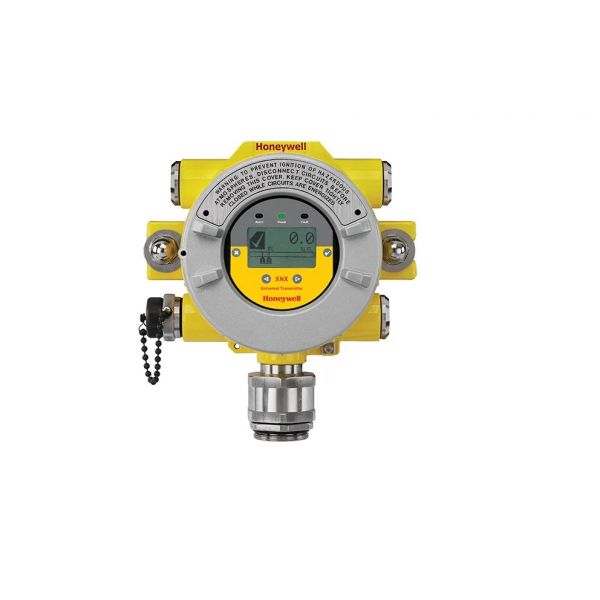
Honeywell Analytics XNX-UTAE-RNNNN Universal Gas Detector Transmitter

Special Price $2,669.99 Regular Price $2,963.69
In stock
SKU
XNX-UTAE-RNNNN
The Honeywell Analytics XNX-UTAE-RNNNN Universal Gas Detector Transmitter functions as a flexible and dependable part that detects multiple hazardous gases to protect industrial and residential spaces in the HVAC system. The part operates through continuous air-quality monitoring which triggers immediate alerts to connected systems. This part functions with HVAC equipment to provide safe HVAC operations by ventilation systems. The system provides three main advantages which combine air quality management with gas leak detection and regulatory compliance. The product's maintenance construction enables its deployment in essential.
https://www.partshnc.com/media/catalog/product/x/n/xnx-utae-rnnnn-1.jpg

Specifications

  • Type: Universal Gas Detector Transmitter
    Write Your Own Review
    You're reviewing:Honeywell Analytics XNX-UTAE-RNNNN Universal Gas Detector Transmitter
    Your Rating
    Customer Questions
    What maintenance is required for the Honeywell Analytics XNX-UTAE-RNNNN Gas Detector Transmitter?

    Regularly inspect the sensor and housing for dust, corrosion, or damage. Calibrate the detector according to manufacturer guidelines to ensure accurate readings. Test alarms and signals periodically. Always follow safety protocols and disconnect power if required.

    What are common issues with the Honeywell Analytics XNX-UTAE-RNNNN Gas Detector Transmitter?

    • False alarms or erratic readings.
    • Sensor drift causing inaccurate detection.
    • Communication or signal failures.
    • Physical damage or corrosion to the housing.

    Installation Steps

    Step 1: Turn off power to the area and ensure no gas leaks are present for safety.

    Step 2: Select a suitable mounting location according to gas type and coverage requirements.

    Step 3: Mount the transmitter securely using the provided hardware.

    Step 4: Connect wiring for power and signal according to the manufacturer’s diagram.

    Step 5: Calibrate the transmitter following instructions before operation.

    Step 6: Restore power and verify proper detection and signal output.