Facebook Pixel

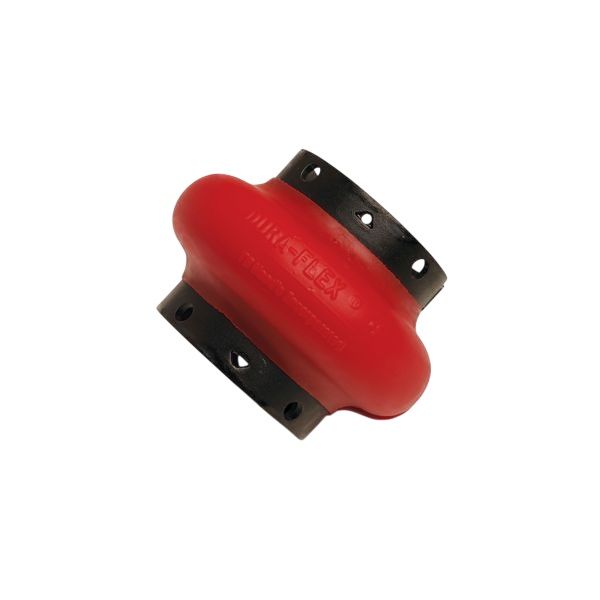
TB Woods WE10 Dura-Flex Standard Coupling Element

Special Price $312.71 Regular Price $347.11
Out of stock
SKU
WE10
The TB Woods WE10 Dura-Flex Standard Coupling Element is a flexible shaft coupling element that is used in HVAC systems and industrial drives to connect motor and driven equipment, allow misalignment, and minimize shock loads. It is used between coupling hubs and passes the torque in a smooth manner, and vibration damping between components like blower motors, fans, pumps, or compressors. This component is incorporated in an HVAC assembly to ensure that the rotating force is passed precisely, the bearings and shafts are not overworked, and the system is tenured since it holds everything in position.
Manufacturer:

https://www.partshnc.com/media/catalog/product/w/e/we10.jpg
Manufacturer Name: TB Woods
Product Number: WE10
OEM Part Number: WE10
Product Description: Dura-Flex Std Coupling Element
Weight:2.5lbs/1133.98g

Choose the best HVAC equipment parts and supplies from PartsHnC!

  • Same Day Shipping

  • Best Quality And Best Price

  • Wide Range of Inventory

  • Best Customer Service

Have More Questions or Need Help to Place The Order?
Reach us at (866)773-0907 or [email protected]

Write Your Own Review
You're reviewing:TB Woods WE10 Dura-Flex Standard Coupling Element
Your Rating
Customer Questions
What maintenance is required for the TB Woods WE10 Coupling Element?

Regularly inspect the coupling element for wear, cracking, or misalignment. Ensure it is properly seated and aligned between shafts. Clean gently if needed and always disconnect power from connected equipment before handling to ensure safety.

What are common issues with the TB Woods WE10 Coupling Element?

  • Cracking or tearing of the element.
  • Misalignment causing vibration.
  • Loosening between shafts.
  • Premature wear from excessive torque.

Installation Steps

Step1: Turn off all connected machinery before starting.

Step2: Loosen and remove the old coupling element from the hubs.

Step3: Clean hub faces and inspect for wear or damage.

Step4: Align hubs and slide the new element into position.

Step5: Ensure proper fit and spacing according to manufacturer specs.

Step6: Tighten hub set screws or clamps securely.

Step7: Manually rotate shafts to verify smooth operation.

Step8: Restore power and test equipment at low speed.