 Loyalty Program

Air conditioning filters trap dust, pollen, and airborne particles to keep indoor air clean and protect HVAC components. Types include fiberglass, pleated, HEPA, and electrostatic. They’re typically placed in return ducts or air handlers. Signs of clogged filters include poor airflow, uneven cooling, and higher energy use. Regular cleaning or replacement every 1–3 months is key for efficiency.
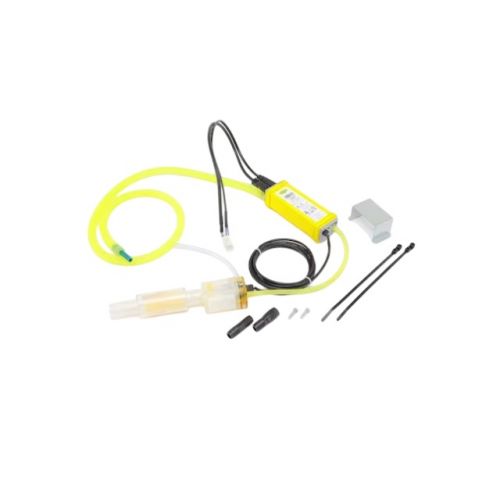 -10%Utica-Dunkirk 550003441 Condenser Pump W/Filter 120/240VSpecial Price $703.63 Regular Price $781.03Out of stock
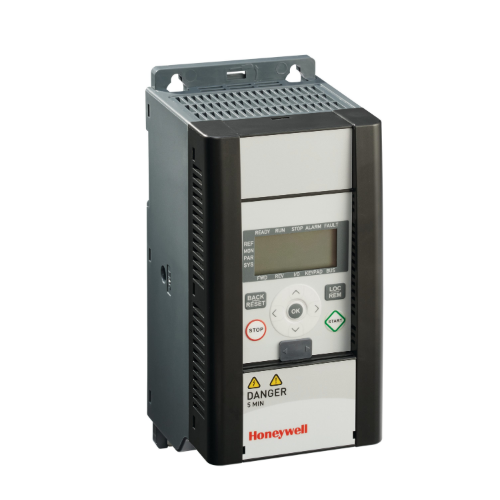
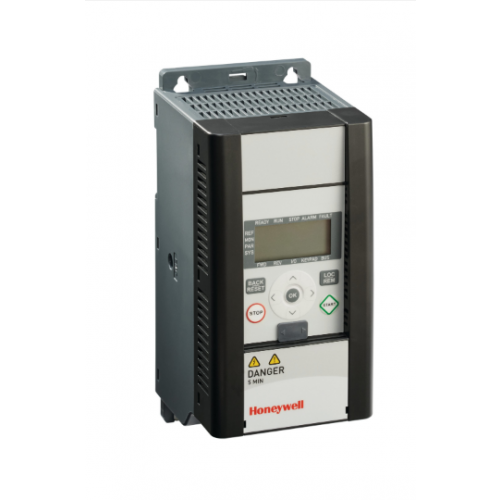
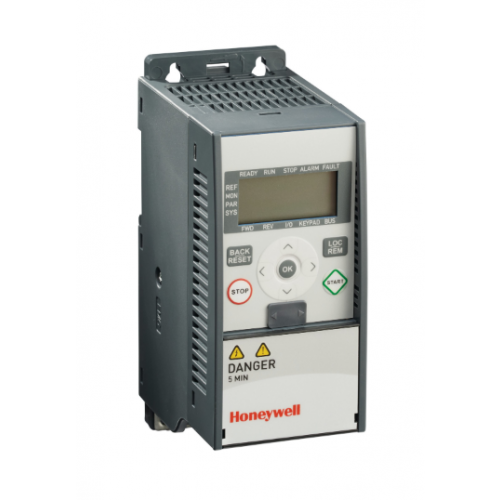
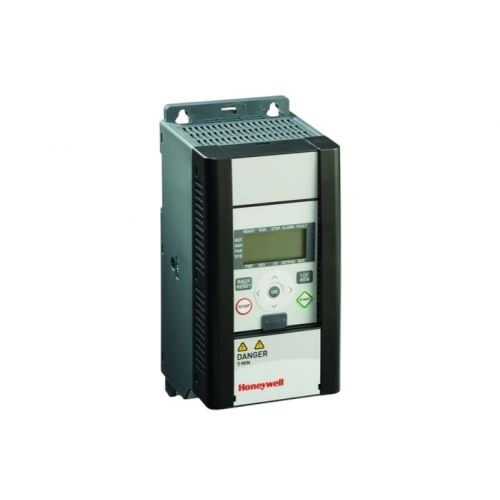
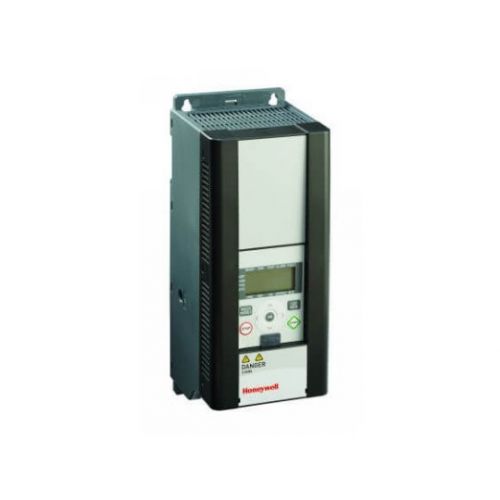 -10%Honeywell HVFD2D1A0005 1/2HP Variable Frequency Drive 120V/1PH-230V/3PH NofilterSpecial Price $200.59 Regular Price $222.65Out of stock
 -13%
-13%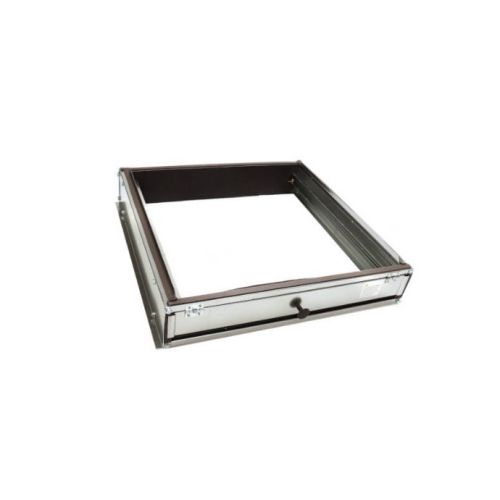 -29%
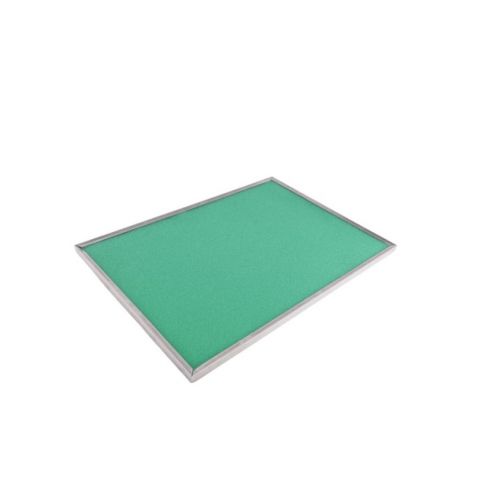
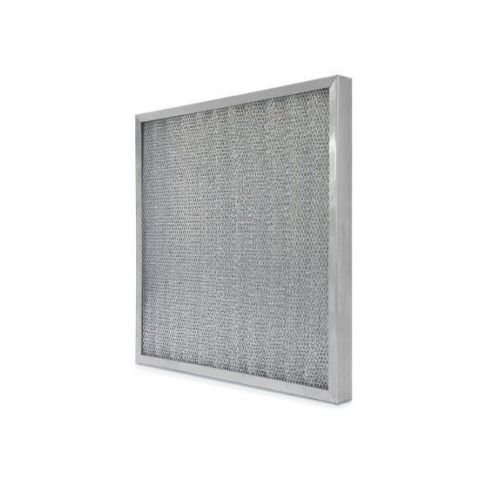
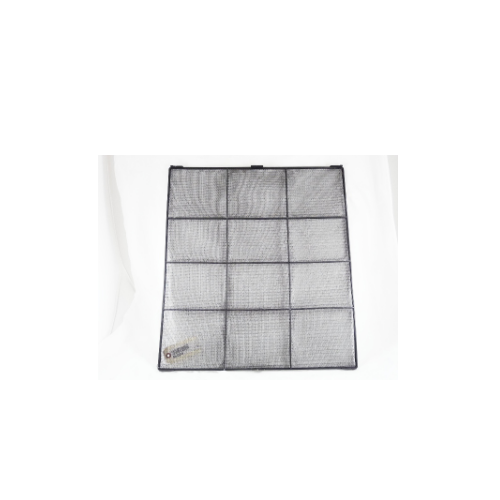
-29% -13%York S1-026-38061-000 Air Filter 22" X 30.25" X 1.0" Aluminum MeshSpecial Price $68.07 Regular Price $78.28Out of stock
- -13%Amana-Goodman ALFH20231E Permanent Filter 23" X 20"Special Price $104.28 Regular Price $119.92Out of stock
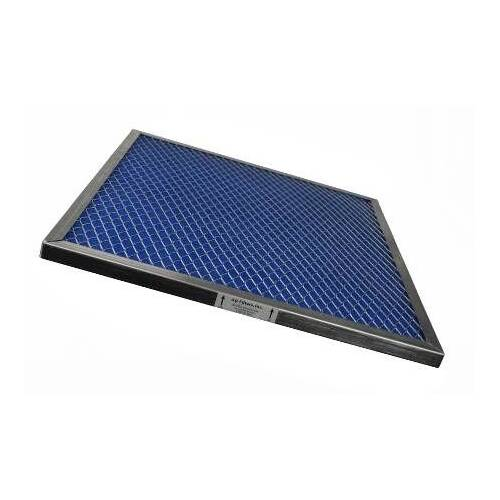
- -23%Rheem-Ruud 68-101807-04 24" 10-Row Permanent Plastic Air FilterSpecial Price $28.29 Regular Price $36.78
- -10%Honeywell HVFD2D3C0020 2HP Variable Frequency Drive 380-480V/3-PH No FilterSpecial Price $713.45 Regular Price $791.93Out of stock
- -10%Honeywell HVFD2D3C0007 3/4HP Variable Frequency Drive W/O Filter 380-480V 3PHSpecial Price $345.69 Regular Price $383.72Out of stock
- -10%Honeywell HVFD2D3C0030 3HP Variable Frequency Drive 380-480V/3-PH No FilterSpecial Price $910.51 Regular Price $1,010.66Out of stock

Air Conditioner Replacement Filters
Air conditioning filters are essential HVAC components designed to trap dust, pollen, mold spores, and other airborne particles from the air before it circulates through the system.
These filters come in various types, including fiberglass, pleated, HEPA, and electrostatic. Common parts of a filter setup include the filter media, a frame for support, and in some systems, filter housings or grilles for mounting. Filters are usually placed at return air ducts or in the air handler to clean incoming air before it’s conditioned.
Signs of a faulty or clogged air filter include reduced airflow, uneven cooling, increased dust indoors, and higher energy bills. In severe cases, dirty filters can strain the blower motor or cause coils to freeze. Regular replacement or cleaning—typically every 1–3 months depending on usage and filter type—is critical to keeping the system running efficiently.
At PartsHnC, we offer a wide range of air conditioner filters, including condenser pumps with filters (120/240 V), air filters (20" x 30" x 1"), external filter racks (21"), permanent filters (23" x 20"), and 10-micron oil filters. Our inventory also includes suction filter driers (1 1/8"), emerson flow controls, filter drier shell-less cores, and liquid line filter driers from top brands like Honeywell, York, Danfoss, Trane, and more.
FAQs
What role do filters play in HVAC systems?
AC filters trap dust, allergens, and debris, protecting HVAC components and improving indoor air quality.
What happens if I install the filter backwards?
It restricts airflow and reduces filtration efficiency, potentially allowing dirt into the system.
How often should HVAC air filters be changed?
Typically every 1–3 months, but more frequently in homes with pets, allergies, or high usage.
Can a dirty filter damage the HVAC system?
Yes, it restricts airflow, causes overheating, and can lead to coil freeze-ups or motor failure.