Facebook Pixel

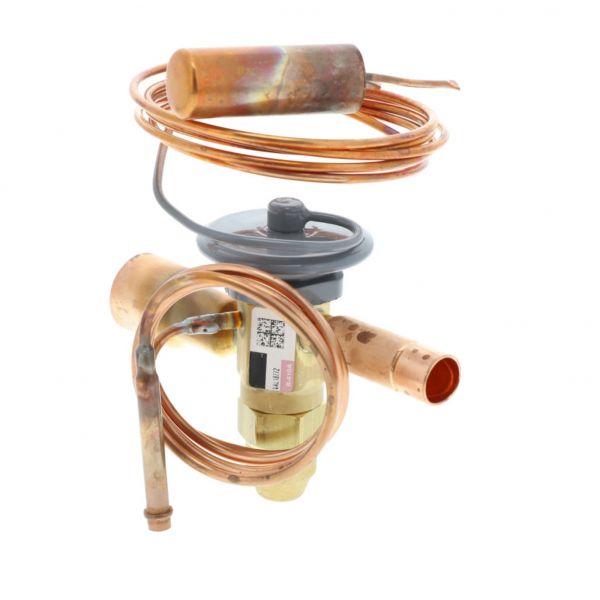
Trane VAL18772 Thermal Expansion Valve (TXV)

Special Price $167.94 Regular Price $186.90
In stock
SKU
VAL18772
The Trane VAL18772 Thermal Expansion Valve (TXV) works well in air conditioning and refrigeration systems to regulate refrigerant flow. Its mode of operation is to control the flow of liquid refrigerant depending on the temperature of the evaporator. When the evaporator load rises the TXV opens more to let more refrigerant flow through it to meet the cooling requirements. On the other hand, it also prevents flow at periods of low load to avoid overcooling and the underlying increase of efficiency of the system. This dynamic control optimizes system performance, conserves energy, and provides accurate control of the temperature.
Manufacturer:

https://www.partshnc.com/media/catalog/product/v/a/val18772.jpg

Specifications

  • Type: Thermal Expansion Valve
    Write Your Own Review
    You're reviewing:Trane VAL18772 Thermal Expansion Valve (TXV)
    Your Rating
    Customer Questions
    What maintenance is required for the Trane VAL18772 Thermal Expansion Valve?

    Regularly inspect for leaks, corrosion, and proper valve seating. Keep surrounding piping and components clean to ensure unobstructed refrigerant flow. Verify system pressures for correct operation. Always follow safety procedures when handling pressurized HVAC systems.

    What are common issues with the Trane VAL18772 Thermal Expansion Valve?

    • Valve may become sluggish or fail to regulate flow accurately.
    • Erratic refrigerant flow causing temperature inconsistencies.
    • Leaks at fittings or seals.
    • Reduced cooling efficiency due to partial blockages.

    Installation Steps

    Step 1: Turn off HVAC system and disconnect power for safety.

    Step 2: Recover refrigerant from the system following proper procedures.

    Step 3: Remove existing TXV carefully from the evaporator coil.

    Step 4: Install new valve in the correct orientation.

    Step 5: Reconnect refrigerant lines and tighten fittings securely.

    Step 6: Evacuate air and moisture, then recharge with the correct refrigerant.

    Step 7: Restore power and test the system to ensure proper operation.