
Facebook Pixel

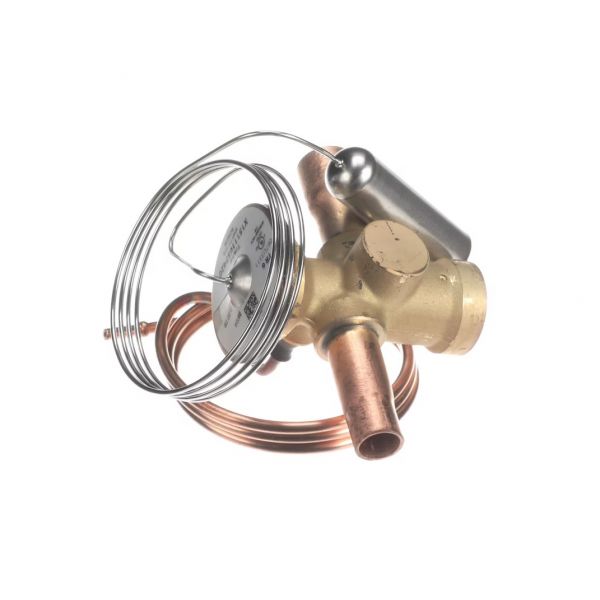
Trane VAL10598 3-Ton Thermal Expansion Valve R410A 3/8" ODF

Special Price $112.25 Regular Price $129.09
In stock
SKU
VAL10598
The Trane VAL10598 is a 3-Ton Thermal Expansion Valve and an essential accessory of refrigeration and air conditioning. It effectively regulates the refrigerant flow to the evaporator so as to maintain the better performance of the system. also the valve controls the refrigerant flow according to the demand of the system, temperatures are well controlled and pressure build up is also avoided. This leads to increase in energy efficiency, decrease in damage to the system and increase in general dependability of the system. It is a direct type valve that is suitable for 3-ton systems and manufactured to support R410A refrigerant type and has 3/8”ODF connection size.
Manufacturer:

https://www.partshnc.com/media/catalog/product/v/a/val10598.jpg

Specifications

  • Type: Thermal Expansion Valve
  • Capacity: 3-Ton
  • Refrigerant Type: R410A
  • Connection Size: 3/8" ODF

PRODUCT OVERVIEW:
The thermal expansion valve regulates refrigerant flow into the evaporator coil to maintain controlled refrigerant distribution during system operation. The Trane VAL10598 is an OEM 3-ton thermal expansion valve designed for compatible Trane HVAC equipment using R410A refrigerant. It adjusts refrigerant delivery in response to changing evaporator conditions, helping maintain appropriate superheat and supporting effective heat absorption throughout the cooling cycle.

REFRIGERANT EXPANSION MECHANISM:
The valve meters high-pressure liquid R410A refrigerant through an internal restriction, reducing its pressure before it enters the evaporator coil. This pressure reduction allows the refrigerant to expand and cool, preparing it to absorb heat from the air passing across the evaporator. The controlled expansion process supports the heat-transfer stage of the refrigeration cycle.

SUPERHEAT REGULATION:
The expansion valve responds to temperature and pressure conditions at the evaporator outlet to adjust refrigerant delivery. As cooling demand increases, the valve allows more refrigerant to enter the evaporator. When demand decreases, it restricts the flow. This modulation helps maintain appropriate superheat and reduces the risk of unevaporated liquid refrigerant returning toward the compressor.

REPLACEMENT GUIDELINES:
Replacement may be necessary when internal contamination, mechanical sticking, corrosion, or a problem with the sensing element prevents the valve from regulating refrigerant flow correctly. Before replacing the assembly, a qualified technician should inspect the valve and sensing components and evaluate refrigerant pressures and superheat readings. If the valve is confirmed to be faulty, replacing it can restore controlled refrigerant metering.

COMMON FAILURE SYMPTOMS:

  • Insufficient refrigerant flow through the evaporator.
  • Evaporator coil frosting or excessive ice accumulation.
  • Abnormally high superheat readings during cooling operation.
  • Unstable refrigerant flow through the evaporator circuit.
  • Reduced cooling performance under normal operating conditions.

EQUIPMENT COMPATIBILITY:
The Trane VAL10598 Thermal Expansion Valve is intended for compatible Trane HVAC equipment designed for R410A refrigerant and requiring this 3-ton valve configuration. Confirm the VAL10598 part number and original valve specifications against the equipment's service documentation or official parts list before selecting a replacement. Do not assume compatibility with every Trane system based only on refrigerant type or nominal capacity.

TECHNICAL SPECIFICATIONS:
Product Identification:
Brand: Trane
Part Number/SKU: VAL10598
Component Type: Thermal Expansion Valve (TXV)
Refrigerant Type: R410A
Physical Specifications:
Connection Size: 3/8" ODF
Flow & Capacity Specifications:
Nominal Capacity: 3 Ton

Write Your Own Review
You're reviewing:Trane VAL10598 3-Ton Thermal Expansion Valve R410A 3/8" ODF
Your Rating
Customer Questions
What maintenance is required for the Trane VAL10598 Thermal Expansion Valve?

Regularly inspect the valve for leaks, corrosion, or debris buildup. Ensure the sensing bulb is properly mounted and maintains better thermal contact with the evaporator. Clean surrounding components and check refrigerant flow. Always depressurize the system before maintenance.

What are common issues with the Trane VAL10598 Thermal Expansion Valve?

  • Improper refrigerant flow reducing cooling efficiency.
  • Valve sticking or failing to modulate properly.
  • Leaks at connection points.
  • Sensing bulb detachment or poor thermal contact.

How does an expansion valve help maintain evaporator performance?

It regulates the amount of refrigerant entering the evaporator, helping the coil receive the refrigerant needed for effective heat absorption.

What role does the internal metering mechanism play?

The metering mechanism controls refrigerant passage through the valve, producing the pressure reduction required before refrigerant enters the evaporator.

Why does a TXV need to respond to changing evaporator conditions?

Cooling demand changes during system operation. The valve adjusts refrigerant delivery to help maintain suitable evaporator conditions as the load varies.

Can contamination inside the refrigerant circuit affect valve operation?

Yes. Debris can obstruct internal metering passages and interfere with refrigerant flow regulation.

Why should superheat readings be checked when diagnosing a TXV?

Superheat readings help technicians assess refrigerant metering and evaporator operation. Abnormal readings may indicate a valve problem or another issue within the refrigeration system.

Installation Steps

Step 1: Turn off power and recover refrigerant from the system for safety.

Step 2: Remove the existing TXV, noting inlet and outlet connections.

Step 3: Clean the line connections and valve seat area thoroughly.

Step 4: Install the new TXV in the correct orientation and tighten fittings securely.

Step 5: Evacuate and recharge the system with refrigerant according to manufacturer specifications.

Step 6: Restore power and test the system for proper superheat and operation.