Facebook Pixel

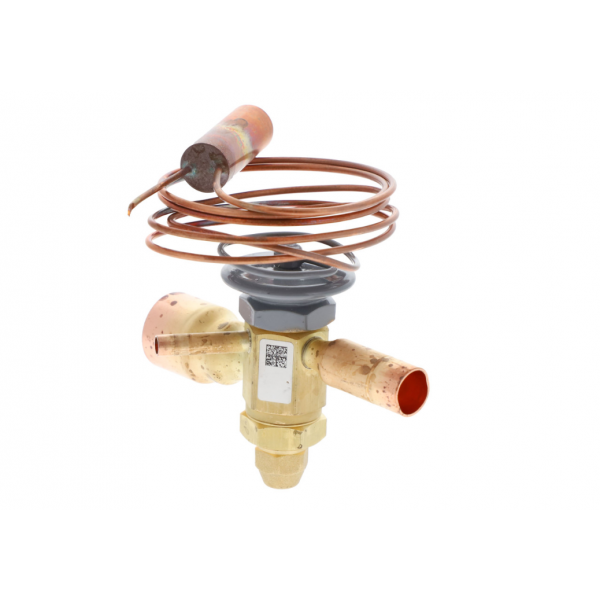
Trane VAL10460 15-Ton Thermostatic Expansion Valve (TXV) R410A

Special Price $419.39 Regular Price $465.52
In stock
SKU
VAL10460
The Trane VAL10460 Thermostatic Expansion Valve (TXV) is intended for use with R410A refrigerant for 15-ton HVAC systems. TXVs control the amount of refrigerant that enters the evaporator coil depending on the superheat to allow the better cooling. This valve is used in large commercial HVAC systems like the rooftop or chillers system. The VAL10460 optimizes the refrigerant flow, avoiding the liquid refrigerant from entering the compressor, which is damaging, and ensures steady cooling, which in turn increases the reliability of the system, reduces energy consumption, and increases comfort.
Manufacturer:

https://www.partshnc.com/media/catalog/product/v/a/val10460.png

Specifications

  • Type: Thermostatic Expansion Valve
  • Refrigerant: R410A
  • Capacity: 15-Ton
Write Your Own Review
You're reviewing:Trane VAL10460 15-Ton Thermostatic Expansion Valve (TXV) R410A
Your Rating
Customer Questions
What maintenance is required for the Trane VAL10460 Thermostatic Expansion Valve?

Regularly inspect the valve for leaks, corrosion, or debris buildup. Ensure proper refrigerant charge and check for smooth operation of the sensing bulb. Maintenance helps keep efficient refrigerant flow, stable system pressures, and consistent cooling performance.

What are common issues with the Trane VAL10460 Thermostatic Expansion Valve?

  • Improper superheat or refrigerant flow.
  • Leaks at connections or body.
  • Sticking or slow valve response.
  • Inconsistent cooling or pressure fluctuations.

Installation Steps

Step 1: Turn off HVAC power and close the refrigerant service valves.

Step 2: Recover refrigerant from the system safely before removal.

Step 3: Remove the old TXV and clean the inlet and outlet connections.

Step 4: Install the new TXV, ensuring proper orientation and secure fittings.

Step 5: Reconnect the sensing bulb to the suction line and insulate it.

Step 6: Evacuate and recharge the system with refrigerant.

Step 7: Restore power and test system operation, watching for leaks.