Facebook Pixel

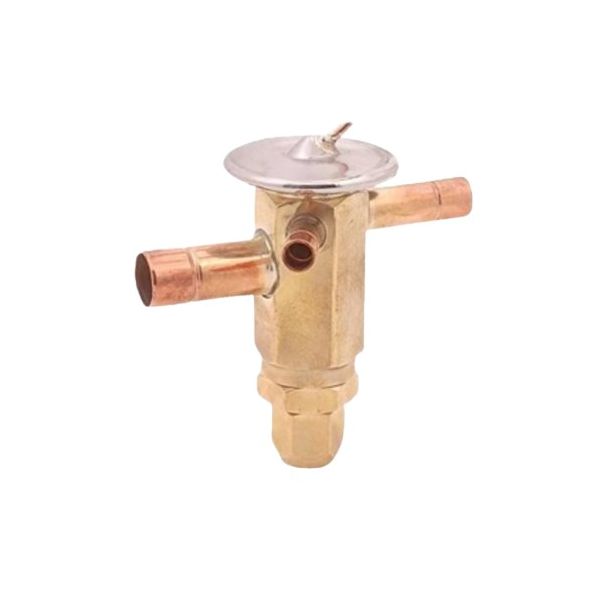
Trane VAL08797 3-Tons Thermal Expansion Valve (TXV) R410A 3/8" x 1/2" ODF

Special Price $178.32 Regular Price $205.07
In stock
SKU
VAL08797
The Trane VAL08797 3-ton Thermal Expansion Valve TXV that is suitable for use with R410A in HVAC systems. It controls the amount of refrigerant that gets to the evaporator by maintaining the right superheat level. This helps to achieve the best results and productivity of the system in use. It is equipped with a 3/8” x 1/2” connection and 3 of cooling capacity. It works with all sorts of air conditioning and heat pump systems, which provides benefits such as increased efficiency, longer compressor life, and increased system durability.
Manufacturer:

https://www.partshnc.com/media/catalog/product/v/a/val08797.jpg

Specifications

  • Type: Thermal Expansion Valve
  • Refrigerant: R-410A
  • Connection Sizes: 3/8" x 1/2"
  • Capacity: 3 tons
Write Your Own Review
You're reviewing:Trane VAL08797 3-Tons Thermal Expansion Valve (TXV) R410A 3/8" x 1/2" ODF
Your Rating
Customer Questions
What maintenance is required for the Trane VAL08797 Thermal Expansion Valve?

Regularly inspect the valve for leaks, corrosion, or blockages. Ensure the sensing bulb is properly secured and insulated. Clean surrounding piping to prevent debris buildup. Always turn off system pressure before servicing to ensure safety.

What are common issues with the Trane VAL08797 Thermal Expansion Valve?

  • Valve sticking or failing to modulate refrigerant flow.
  • Leaks at connections or valve body.
  • Improper superheat readings causing cooling inefficiency.
  • Restricted flow due to debris or contaminants.

Installation Steps

Step 1: Turn off the HVAC system and disconnect power to prevent accidents.

Step 2: Recover refrigerant from the system following EPA guidelines.

Step 3: Remove the existing TXV carefully, noting orientation and connections.

Step 4: Install the new TXV, ensuring correct inlet/outlet alignment and secure ODF connections.

Step 5: Evacuate the system and recharge with refrigerant.

Step 6: Check for leaks and restore power, then test system operation.