
Facebook Pixel

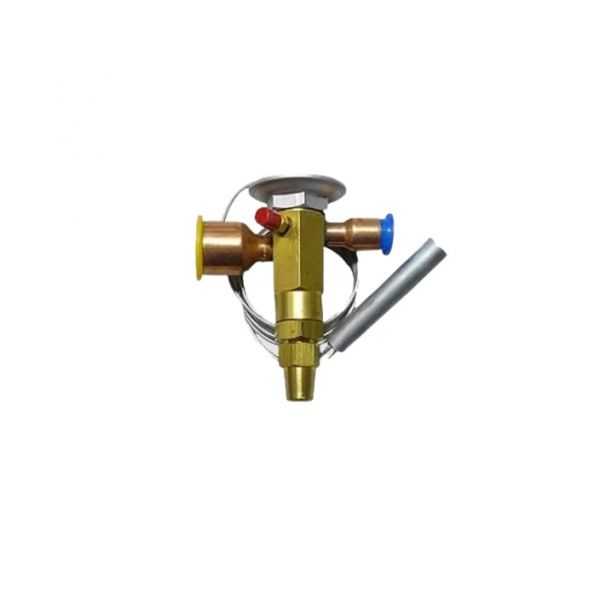
Trane VAL12842 3-Ton Thermal Expansion Valve (TXV) R410A HXE KX200

Special Price $147.55 Regular Price $169.68
Out of stock
SKU
VAL12842
Trane VAL12842 is a 3-ton thermal expansion valve TXV that is compatible with R410A refrigerant only. TXVs are essential elements in refrigeration and air conditioning systems. This particular valve is operated by a sensing bulb, which observes the temperature at the evaporator outlet. Depending on this temperature, the TXV accurately controls the flow rate of the refrigerant to assure the efficiency of the system. The VAL12842 can be used with different 3-ton air conditioning and heat pump equipment. Some of the advantages of using this TXV are increased system efficiency, increased cooling capacity, reduced energy consumption and better temperature regulation.
Manufacturer:

https://www.partshnc.com/media/catalog/product/v/a/val12842.jpg

Specifications

  • Type: Thermal Expansion Valve
  • Capacity: 3-Ton
  • Refrigerant: R410A
Write Your Own Review
You're reviewing:Trane VAL12842 3-Ton Thermal Expansion Valve (TXV) R410A HXE KX200
Your Rating
Customer Questions
What maintenance is required for the Trane VAL12842 Thermal Expansion Valve?

Regularly inspect the valve for leaks and corrosion, ensuring connections are tight. Clean debris from surrounding components to maintain proper flow. Monitor system pressure and refrigerant levels for optimal performance. Always follow safety guidelines when handling refrigerants.

What are common issues with the Trane VAL12842 Thermal Expansion Valve?

  • Erratic or insufficient cooling.
  • Leaks at connection points.
  • Improper superheat settings causing system inefficiency.
  • Valve sticking or failing to modulate refrigerant flow.

Installation Steps

Step 1: Recover refrigerant safely and isolate power to HVAC system before service.

Step 2: Remove access panels and discharge old TXV if present.

Step 3: Clean and braze new TXV into liquid line, protecting valve with wet cloth.

Step 4: Connect sensing bulb to suction line, insulate properly.

Step 5: Evacuate system to deep vacuum and check for leaks with nitrogen.