Facebook Pixel

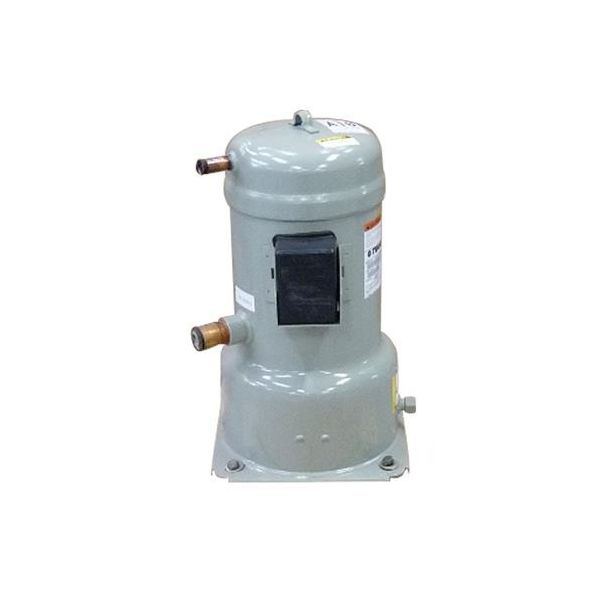
Trane COM08292 10-Ton Scroll Compressor CSHC-100R-000/CSHC-100R-00C, 208-230V/3PH

Special Price $4,632.05 Regular Price $6,716.95
In stock
SKU
COM08292

The Trane COM08292 10-ton scroll compressor that has a cooling capacity of 120,000 BTU/h and it is suitable in commercial HVAC systems that utilize R-22 refrigerant. It operates at 208-230V, 3-phase and 60Hz, has a scroll design and operates efficiently and quietly at 3,500 RPM. It is a lubricated unit that is filled with mineral oil and has brazed tube connections that ensure that they are fastened in place. It's a reliable replacement solution for Trane models CSHC-100R-000 and CSHC-100R-00C.

Manufacturer:

https://www.partshnc.com/media/catalog/product/c/o/com08292.jpg

Specifications

  • Type: Scroll
  • Capacity: 120000 (BtuH)
  • Connection Type: Brazed, Stub Tube
  • Frequency: 60 Hz Oil Type: Mineral Oil
  • Phase: 3
  • Refrigerant: R-22
  • Refrigeration Capacity: 10 Ton
  • Speed: 3500 RPM
  • Voltage: 200-230 VAC
Write Your Own Review
You're reviewing:Trane COM08292 10-Ton Scroll Compressor CSHC-100R-000/CSHC-100R-00C, 208-230V/3PH
Your Rating
Customer Questions
What maintenance is required for the Trane COM08292 Scroll Compressor?

Regularly check electrical connections and refrigerant lines for leaks or corrosion. Clean the compressor exterior and verify proper oil levels. Monitoring operating pressures ensures efficient performance and prevents system strain. Always follow lockout/tagout procedures before servicing.

What are common issues with the Trane COM08292 Scroll Compressor?

  • Unusual vibration or noise during operation.
  • Reduced cooling capacity due to refrigerant issues.
  • Overheating from poor airflow or electrical problems.
  • Compressor tripping on overload protection.
  • Oil leakage or insufficient lubrication affecting performance.

Installation Steps

Step 1: Turn off all power to the HVAC system at the main breaker for safety.

Step 2: Remove the access panels and disconnect refrigerant lines from the old compressor.

Step 3: Carefully lift out the old compressor and position the new unit in place.

Step 4: Connect refrigerant lines, ensuring proper seals and torque specifications.

Step 5: Reconnect electrical wiring according to the manufacturer’s diagram.

Step 6: Restore power, evacuate and charge the system as needed, then test operation.