
Facebook Pixel

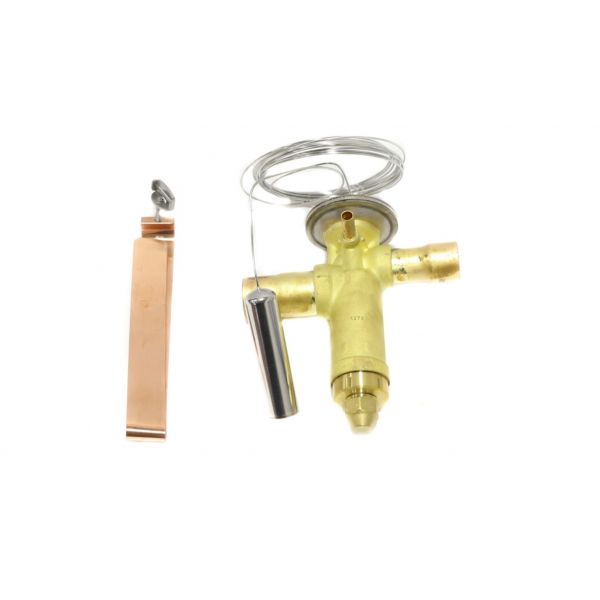
Danfoss 067N8311 Thermal Expansion Valve (TXV) 7/8"X7/8", TGHE-40, R410A

Special Price $634.82 Regular Price $704.65
In stock
SKU
067N8311
The Danfoss 067N8311 is a Thermal Expansion Valve or TXV, is a precision control instrument used to measure and modulate the refrigeration, which is vital to the efficiency of an HVAC system. Specifically this thermostatic expansion valve is designed to work under temperature range of 30°F-46°F. They are mainly intended for use with R410A refrigerant and has an orifice size of 40, which is used for the measuring of the refrigerant. The inlet and the outlet size of the valve is 7/8 inch while the connection is made by using 1/4 roll solder O.D.F. It has a dust cap of 3.43 liters and offers great minuteness but can carry a decent amount of refrigerant flow.
Manufacturer:
https://www.partshnc.com/media/catalog/product/0/6/067n8311.jpg

Specifications

  • Temperature Range: 30°F To 46°F
  • Type: Thermostatic expansion valve
  • Refrigerants: R410A
  • Orifice size: 40
  • Type: TGHE
  • Inlet size: 7/8"
  • Outlet size: 7/8"
  • Connection type: 1/4" Solder, ODF
  • Volume: 3.43 Liter
  • Body material: Brass
  • Connection material: Copper
  • Weight: 2.46 Lbs

PRODUCT OVERVIEW:
A thermal expansion valve serves as a primary metering device that controls liquid refrigerant flow into an evaporator coil based on system cooling demand. The OEM Danfoss 067N8311 Thermal Expansion Valve (TXV) 7/8" X 7/8" TGHE-40 is a metering component designed for HVAC and refrigeration equipment operating with R410A refrigerant. By regulating the rate of liquid refrigerant entering the evaporator coil, this component maintains system fluid control and supports heat absorption across the heat exchanger assembly.

Evaporator Feed Regulation

Refrigerant admission is adjusted through the valve's internal metering mechanism as operating conditions change within the refrigeration circuit. This variable passage controls the amount of refrigerant moving toward the evaporator rather than maintaining a constant opening. The resulting control response allows refrigerant delivery to correspond with changing evaporator requirements during system operation.

Pressure Transition Control

A controlled pressure transition occurs as refrigerant passes through the valve's metering restriction. The pressure change separates the upstream liquid-side condition from the lower-pressure evaporator side and prepares the refrigerant for its movement through the evaporator. This establishes a defined pressure interface within the refrigeration circuit.

REPLACEMENT GUIDELINES:
Replacement of Danfoss 067N8311 may be appropriate when the existing component has sustained physical damage, developed a condition that prevents proper operation, or can no longer provide the required control within the refrigeration circuit. Replacement may also be considered when service evaluation confirms that the component is no longer suitable for continued use. Installing the appropriate replacement restores the required metering control for the applicable equipment.

Common Failure Symptoms:

  • Frost or ice buildup at the evaporator coil inlet
  • Abnormally low suction pressure combined with high superheat readings
  • Inability of the equipment to maintain expected cooling output
  • Restricted refrigerant flow causing evaporator coil starvation
  • System cut-outs triggered by low-pressure safety switches

EQUIPMENT COMPATIBILITY:
The Danfoss 067N8311 Thermal Expansion Valve (TXV) is an OEM component designed for use with compatible refrigeration and HVAC equipment requiring the applicable valve configuration. Verify the equipment manufacturer, existing component identification, refrigerant application, and system documentation before selecting the replacement assembly.

Technical Specifications:
Product identification:
Manufacturer: Danfoss
Part Number: 067N8311
Component Type: Thermal Expansion Valve (TXV)
Series / Model: TGHE-40
Physical specifications:
Connection Size: 7/8" x 7/8"
Operating conditions:
Refrigerant Type: R410A

Write Your Own Review
You're reviewing:Danfoss 067N8311 Thermal Expansion Valve (TXV) 7/8"X7/8", TGHE-40, R410A
Your Rating
Customer Questions
What maintenance is required for the Danfoss 067N8311 Thermal Expansion Valve?

Regularly check for leaks and ensure proper refrigerant flow. Clean the valve ports to prevent blockages and inspect connections for tightness. Proper maintenance ensures efficient cooling and prevents pressure imbalances in the system.

What are common issues with the Danfoss 067N8311 Thermal Expansion Valve?

  • Refrigerant underfeeding or overfeeding.
  • Valve sticking or failing to open/close properly.
  • Pressure fluctuations in the system.
  • Noise or vibration due to improper installation.

What happens when a thermal expansion valve does not regulate refrigerant correctly?

Incorrect refrigerant regulation can disturb the balance between refrigerant supply and evaporator demand, affecting overall refrigeration-system operation.

Why is the Danfoss 067N8311 used in an R410A refrigeration system?

The Danfoss 067N8311 is designed for refrigeration applications using R410A, allowing it to provide metering control within the applicable refrigerant circuit.

What should be checked before installing a thermal expansion valve?

The valve configuration, refrigerant application, connected line arrangement, and applicable equipment service requirements should be verified before installation.

When should the Danfoss 067N8311 be inspected?

The valve should be inspected when system operation indicates a possible issue with refrigerant control or when inspection is required as part of applicable equipment service procedures.

What should be checked during routine service of a thermal expansion valve?

The valve assembly and its connected components should be checked for conditions that could affect proper refrigerant control, following the equipment manufacturer's service procedures.

Installation Steps

Step1: Turn off the HVAC system and disconnect power to prevent damage.

Step2: Recover any refrigerant from the system following safety regulations.

Step3: Remove the old TXV and clean the pipe connections.

Step4: Install the new thermal expansion valve, ensuring correct orientation and alignment.

Step5: Reconnect the refrigerant lines and tighten fittings securely.

Step6: Evacuate the system, recharge with refrigerant, and test for leaks and proper operation.