Facebook Pixel

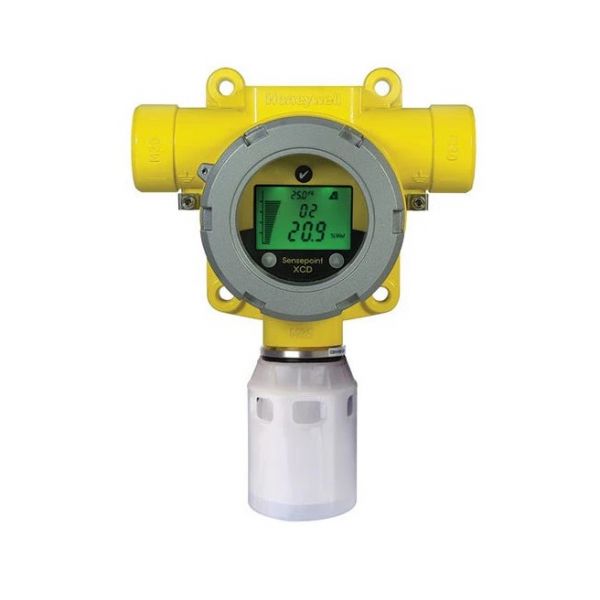
Honeywell Analytics SPXCDULNRXM Explosion Proof Methane Transmitter 4-20mA

Special Price $2,601.05 Regular Price $2,887.16
Out of stock
SKU
SPXCDULNRXM
Honeywell Analytics SPXCDULNRXM Transmitter is a high-precision gas detection system for monitoring methane gas levels in the HVAC system. It is a 4-20mA output signal that operates reliably with existing HVAC and control systems. Its applications in industrial commercial and residential sectors, this transmitter is perfect and compliance monitoring. It helps prevent accidents, enhance operational efficiency as well as lower condition risk by detecting methane leaks early. Transmitter improves HVAC system performance by keeping air quality and preventing gas accumulation which provides both safety and energy efficiency benefits.
https://www.partshnc.com/media/catalog/product/s/p/spxcdulnrxm.jpg

Specifications

  • Type: Transmitter
  • Gas Type: Methane
  • Output Signal: 4-20mA
  • Model: XPRF
Manufacturer Name: Honeywell Analytics
Product Number: SPXCDULNRXM
OEM Part Number: SPXCDULNRXM
Product Description: Xprf 4-20Ma Methane Transmitt
Weight:4.9lbs/2222.6g

Choose the best HVAC equipment parts and supplies from PartsHnC!

  • Same Day Shipping

  • Best Quality And Best Price

  • Wide Range of Inventory

  • Best Customer Service

Have More Questions or Need Help to Place The Order?
Reach us at (866)773-0907 or [email protected]

Write Your Own Review
You're reviewing:Honeywell Analytics SPXCDULNRXM Explosion Proof Methane Transmitter 4-20mA
Your Rating
Customer Questions
What maintenance is required for the Honeywell Analytics SPXCDULNRXM Transmitter?

Regularly inspect the transmitter housing and sensor for damage, corrosion, or contamination. Perform routine calibration using certified methane gas to ensure accuracy. Check wiring and output connections for stability. Follow proper safety precautions when servicing in hazardous locations.

What are common issues with the Honeywell Analytics SPXCDULNRXM Transmitter?

  • Inaccurate gas readings.
  • Signal instability in the output.
  • Sensor failure from environmental exposure.
  • Wiring or connection faults.
  • Delayed response to methane concentration changes.

Installation Steps

Step 1: Turn off all power to the system before starting for safety.

Step 2: Mount the transmitter securely in a location suitable for gas detection

Step 3: Connect the wiring according to the manufacturer’s diagram, ensuring proper polarity.

Step 4: Seal all conduit and wiring fittings to maintain explosion-proof integrity.

Step 5: Restore power and test the transmitter for proper methane detection and output.