Facebook Pixel

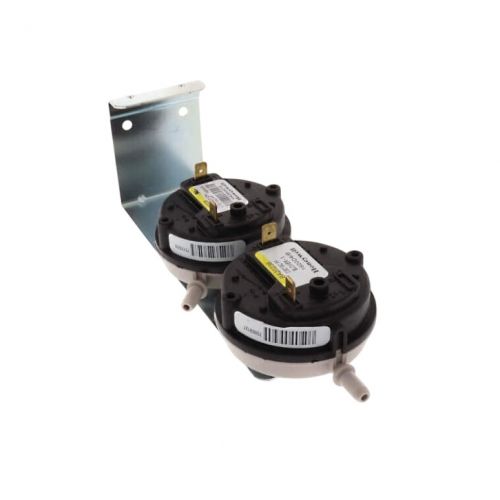
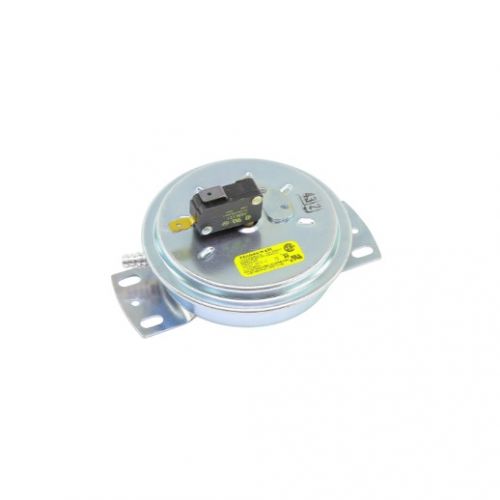
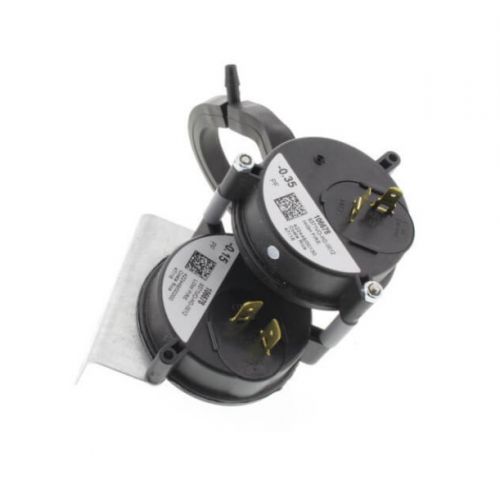
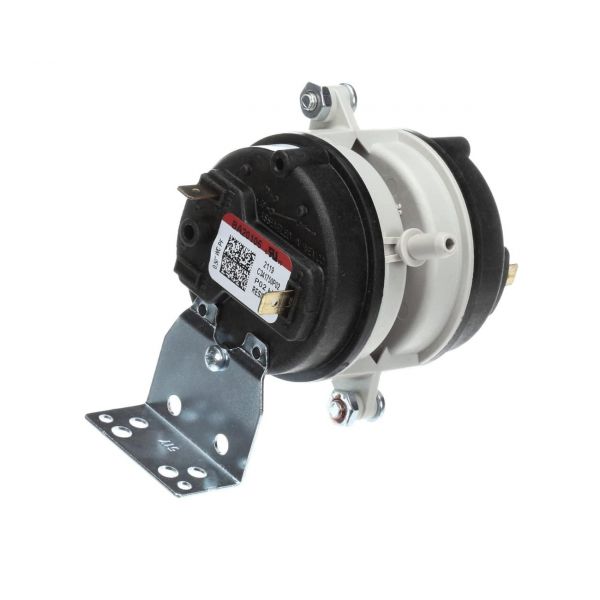
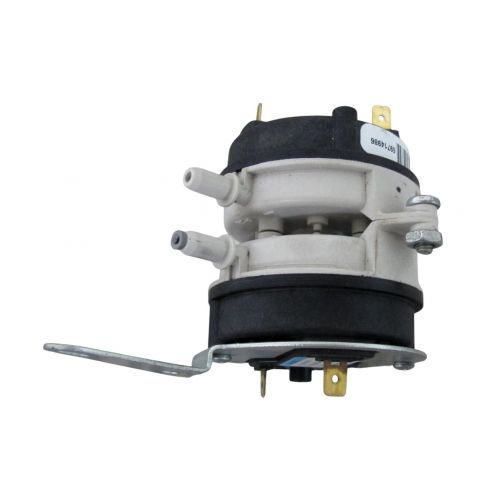
Trane SWT4232 SPNO Dual Pressure Switch

Special Price $123.92 Regular Price $142.51
In stock
SKU
SWT4232

The Trane SWT4232 is a single-pole, normally open-pressure switch designed for HVAC systems. This pressure switch is vital for monitoring and managing the pressure levels in refrigeration, air conditioning, heating, and ventilation systems. The SWT4232 functions as a safety device by sensing pressure variations and alerting the system to begin or stop operating under those signals. Its dual pressure switch design ensures the safety and optimum operation of HVAC equipment by offering redundancy and dependability in pressure monitoring. Thermostats such as air conditioners, heat pumps, and refrigeration equipment can all be equipped with the Trane SWT4232 thermostat. It delivers benefits like increased system protection, increased dependability, and a lower chance of equipment damage or malfunction.

https://www.partshnc.com/media/catalog/product/s/w/swt4232.jpg
Monitors pressure conditions within the equipment, serving as the dual pressure switch in the system's pressure-control arrangement. The Trane SWT4232 Dual Pressure Switch SPNO is a dedicated pressure-switch component identified by part number SWT4232. Its placement within the equipment supports the intended pressure-monitoring and switching arrangement.

Pressure Detection:
Monitoring two separate pressure points, the pressure switch responds to changes according to its calibrated settings. Its switching action changes the electrical circuit state in response to the detected pressure condition, providing an electrical signal to the associated control circuit.

Safety Monitoring:
Within the equipment control circuit, the pressure switch contributes to pressure-based operational protection during the operating cycle. Changes at the monitored pressure points can produce a corresponding switching response, allowing the equipment sequence to recognize pressure conditions that require a control response.

Replacement Guidelines:
Replacement of the Trane SWT4232 Dual Pressure Switch SPNO is necessary when visible damage, deterioration, or other physical conditions affect the switch's intended pressure-monitoring role. Inspect the dual pressure switch and related connection areas for conditions that could affect proper pressure switching within the equipment. Replace the component when it can no longer maintain its intended pressure-monitoring and switching operation within the equipment assembly.

Common Signs of Wear:

  • Cracked or damaged switch housing.
  • Corrosion on electrical terminals.
  • Worn or damaged pressure connection ports.
  • Physical damage to the switch body.
  • Deteriorated electrical connector areas.

Equipment Compatibility:
Trane SWT4232 Dual Pressure Switch SPNO is used in selected HVAC equipment configured with a dual pressure monitoring circuit. Its application depends on the equipment's pressure control strategy and control system configuration.

Technical Specifications:
Brand: Trane
Part Number: SWT4232
Product Type: Dual Pressure Switch
Contact Type: SPNO (Single Pole Normally Open)

Write Your Own Review
You're reviewing:Trane SWT4232 SPNO Dual Pressure Switch
Your Rating
Customer Questions
Does the dual pressure switch compensate for temperature variations in the HVAC system?

Yes, temperature compensation mechanisms are often included to maintain accurate pressure readings across a range of ambient temperatures.

How quickly does the dual pressure switch respond to changes in pressure within the A/C compressor?

The dual pressure switch is designed for a rapid response, quickly adjusting to changes in pressure to maintain optimal refrigerant levels in the HVAC system.

How does the dual pressure switch contribute to the overall efficiency of the A/C compressor?

By monitoring and regulating pressures, the dual pressure switch ensures that the A/C compressor operates efficiently, preventing issues such as overloading or insufficient refrigerant flow.

What maintenance is required for the Trane SWT4232 Pressure Switch?

Regularly inspect the pressure switch for dust, corrosion, or loose wiring. Test switch operation periodically to confirm accurate pressure actuation. Clean the surrounding area and pressure ports to prevent blockage. Proper maintenance ensures reliable pressure control and safe system operation.

What are common issues with the Trane SWT4232 Pressure Switch?

  • Failure to activate or respond at set pressures.
  • Inaccurate pressure readings.
  • Corrosion or damage on terminals.
  • Loose or faulty wiring connections affecting performance.

Why are pressure switches used in equipment control circuits?

They provide discrete electrical information about pressure conditions that connected controls can use when determining whether an operating sequence can continue or requires a control response.

How does the SWT4232 respond to different pressure conditions?

Its two pressure points allow it to respond to two separate pressure conditions, providing distinct pressure-related switching responses to associated circuitry.

How does a pressure switch differ from a pressure sensor?

A pressure switch produces a discrete contact-state change at a specified pressure condition, while a pressure sensor typically provides a variable electrical output corresponding to measured pressure.

What does the SPNO configuration indicate about the pressure switch?

SPNO means single-pole, normally open, indicating that the contact remains open in its normal state until the applicable switching condition is reached.

When can maintenance of a pressure switch become relevant?

Maintenance can become relevant when the pressure switch or its electrical connections require attention to support reliable pressure-based switching within the equipment control circuit.

Installation Steps

Step1: Shut off power to the system before starting.

Step2: Locate and remove the old pressure switch from lines.

Step3: Mount the new dual pressure switch in the same orientation.

Step4: Reconnect tubing and electrical connections securely.

Step5: Restore power and test system pressures for proper operation.