Facebook Pixel

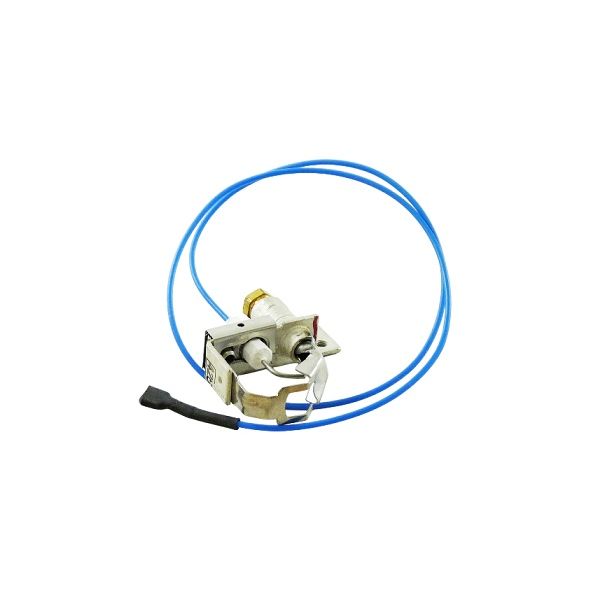
Rheem-Ruud SP12049E Pilot Ignition Sensor

Special Price $100.28 Regular Price $115.32
In stock
SKU
SP12049E
The Rheem-Ruud SP12049E Pilot/Ignition Sensor is a safety and performance part of the gas-powered water heaters. It also works as a watchful care taker that checks for the pilot flame or ignition spark constantly. When the sensor is triggered by flame, it gives a signal to Water heater control system which enables it to work and run safely. Once it fails to sense the flame, the safety shutdown is prompted in order to avoid possible disasters such as gas leakage. This essentialcomponent provides hot water with efficiency and reliability and, at the same time, safety.
https://www.partshnc.com/media/catalog/product/s/p/sp12049e.jpg

Specifications

  • Type: Pilot/Ignition Sensor
  • Size: 75 gallons
  • Fuel Type: Propane
  • Weight: 0.19lbs
Manufacturer Name: Rheem-Ruud
Product Number: SP12049E
OEM Part Number: SP12049E
Product Description: Pilot/Ignition Sensor
Weight:0.19lbs/86.18g

Choose the best HVAC equipment parts and supplies from PartsHnC!

  • Same Day Shipping

  • Best Quality And Best Price

  • Wide Range of Inventory

  • Best Customer Service

Have More Questions or Need Help to Place The Order?
Reach us at (866)773-0907 or [email protected]

Write Your Own Review
You're reviewing:Rheem-Ruud SP12049E Pilot Ignition Sensor
Your Rating
Customer Questions
What maintenance is required for the Rheem-Ruud SP12049E Pilot Ignition Sensor?

Clean the pilot ignition sensor regularly to remove carbon buildup and dust using a soft cloth or fine abrasive pad. Ensure wiring connections are tight and corrosion-free. Proper maintenance ensures accurate ignition and safe furnace operation, preventing flame detection failures.

What are common issues with the Rheem-Ruud SP12049E Pilot Ignition Sensor?

  • Dirty or carbon-coated sensor causing weak or no flame detection.
  • Loose or damaged wiring leading to intermittent ignition failure.
  • Misalignment of sensor reducing flame sensing accuracy.
  • Ignition lockout due to inconsistent pilot signal.

Installation Steps

Step 1: Turn off gas/electric power and allow unit to cool before starting installation.

Step 2: Remove access panel and locate old pilot ignition sensor for safety.

Step 3: Disconnect wiring carefully, noting terminal positions, secure connectors.

Step 4: Install new sensor in same position and secure firmly, matching original alignment.

Step 5: Reconnect wiring, restore power, test ignition cycle, and confirm operation.

Step 6: Ensure no gas leaks and verify stable flame operation as a safety check.