Facebook Pixel

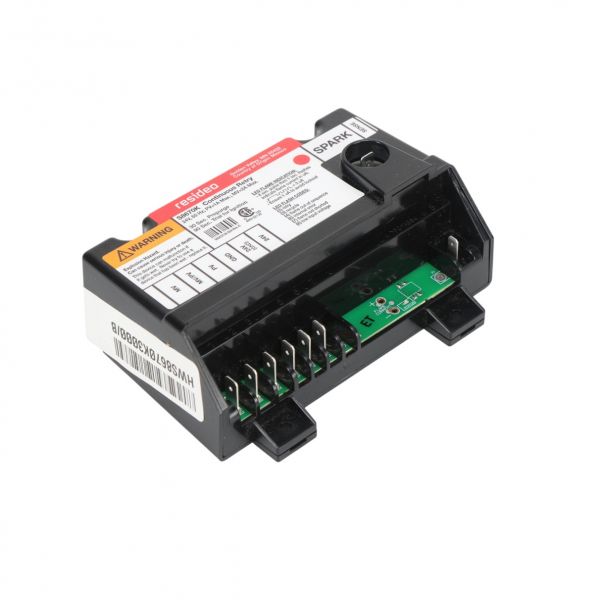
Resideo S8670K3000/B 2-Rod Intermittent Pilot Control 90 Sec Con

Special Price $136.40 Regular Price $156.86
In stock
SKU
S8670K3000/B
The Resideo S8670K3000/B Intermittent Pilot Control provides safe ignition of gas furnaces, boilers, and water heaters, making them more efficient. It ignites the burner with the use of an internal high voltage spark generator and the igniter-sensor rods. It is used to detect the flame and also to make the system work steadily and shut down if there is no flame. It is suitable for use with natural gas and LPG and has a frequency of 60 Hz and a temperature range of -40°F to 175°F. It is compatible with Q3451 ignition hardware and offers durable performance in various conditions.
https://www.partshnc.com/media/catalog/product/s/8/s8670k3000-b.jpg

Specifications

  • Type: Intermittent Pilot Control
  • Type of Fuel: Natural Gas, LPG
  • Frequency: 60 Hz
  • Temperature Range: -40°F to 175°F
  • Rod Configuration: 2 Rod
  • Trial Time: 90 Seconds
  • Ignition Type: Continuous
Write Your Own Review
You're reviewing:Resideo S8670K3000/B 2-Rod Intermittent Pilot Control 90 Sec Con
Your Rating
Customer Questions
What maintenance is required for the Resideo S8670K3000/B Pilot Control?

Regularly inspect the control for corrosion, dirt, and secure wiring connections. Test pilot operation to ensure consistent ignition. Clean surrounding areas to prevent debris interference. Always shut off gas and power before performing maintenance.

What are common issues with the Resideo S8670K3000/B Pilot Control?

  • Pilot failing to ignite or going out unexpectedly.
  • Delayed or inconsistent spark timing.
  • Worn or damaged wiring affecting ignition.
  • Gas flow interruptions affecting system performance.

Installation Steps

Step 1: Turn off gas supply and electrical power before beginning.

Step 2: Remove the old pilot control if replacing.

Step 3: Mount the new securely in the burner assembly, ensuring rods are correctly positioned.

Step 4: Connect gas supply and pilot tubing, checking for leak-free joints.

Step 5: Wire the control according to system-specific diagram.

Step 6: Restore gas and power, then test pilot operation safely, observing the ignition cycle.