
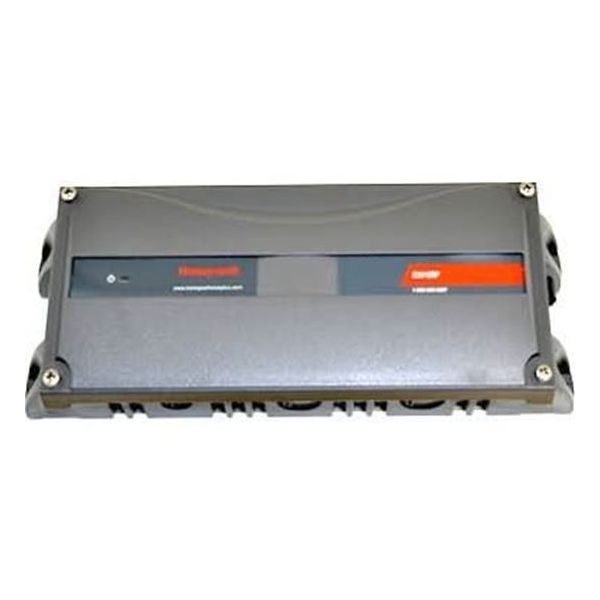
Honeywell Analytics S301-IRF-R134A Refrigerant Gas Sensor R134A
Specifications
- Type: Refrigerant Gas Sensor
- Refrigerant Type: R134A
Loyalty ProgramIn observance of the holiday schedule, all orders placed after 3:00 PM CST on November 25 will be dispatched on November 30
The Honeywell Analytics S301-IRF-R134A infrared gas sensor stands out as an advanced infrared refrigerant gas sensor, meticulously crafted for the perpetual vigilance of R-134A refrigerant leaks across diverse industrial and commercial landscapes. This cutting-edge sensor guarantees precision and reliability in leak detection, thereby fortifying safety protocols, ensuring environmental adherence, and optimizing the operational efficacy of refrigeration systems. Its versatile applications span chiller rooms, cold storage facilities, data centers, and refrigeration repair and maintenance scenarios, where it becomes indispensable for identifying leaks and facilitating efficient troubleshooting.
This state-of-the-art device offers an array of benefits. Firstly, it enhances safety by promptly identifying R-134A leaks, mitigating the potential risks of fires, explosions, and exposure to hazardous refrigerants. Secondly, it contributes to improved efficiency by minimizing refrigerant loss, thereby reducing operational costs and environmental impact. Additionally, it aids in compliance with regulations, assisting organizations in meeting legal requirements for refrigerant leak monitoring and reporting. Finally, the continuous monitoring and alert features of the S301-IRF-R134A provide users with peace of mind, alleviating concerns and minimizing risks associated with R-134A hazards.
Key Features:
Recognizing potential issues with the Honeywell Analytics S301-IRF-R134A infrared refrigerant gas sensor is crucial for maintaining safety and accurate R-134A leak detection. Here are some signs that could indicate a fault:
Performance Issues:
Display and Communication Issues:
Same Day Shipping
Best Quality And Best Price
Wide Range of Inventory
Best Customer Service
Step 1: Disconnect power and ensure well-ventilated area free of refrigerant exposure.
Step 2: Mount sensor on wall or duct near potential leak source at recommended height for detection.
Step 3: Wire terminals to control panel following manufacturer schematic, ensuring correct polarity and shielding.
Step 4: Restore power and allow required warm-up period for stabilization.
Step 5: Test alarm relays and check system integration.