
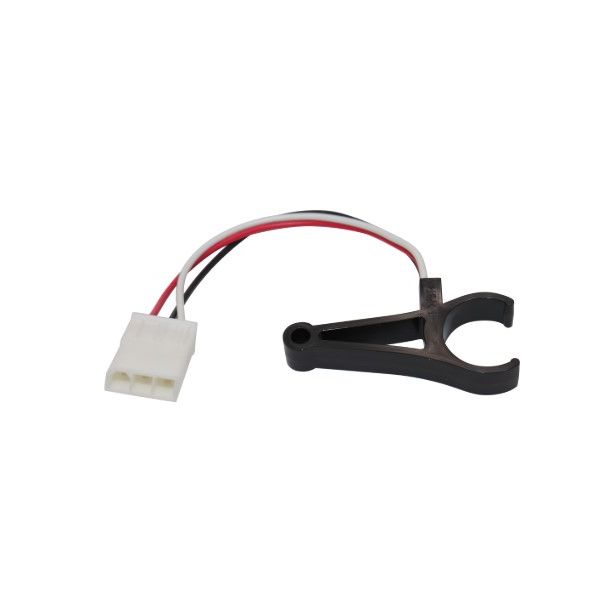
IBC TECHNOLOGIES P-849 Flow Sensor DHW
Specifications
- Type: Flow Sensor
- Usage: DHW
Loyalty ProgramPRODUCT OVERVIEW:
Detects domestic hot water flow and provides a corresponding signal to the boiler control system. The IBC TECHNOLOGIES P-849 Flow Sensor DHW is an OEM component designed for compatible IBC boiler equipment. It enables the boiler to recognize hot water demand and respond accordingly.
WATER FLOW DETECTION:
Monitors water movement through the domestic hot water circuit and identifies flow associated with an active draw. As water passes through the sensing assembly, the sensor generates an electrical signal that indicates the presence of flow to the controller.
DHW DEMAND COORDINATION:
Provides flow-status feedback that allows the boiler controller to coordinate domestic hot water operation. Changes in the detected signal help the control system recognize when hot water demand begins, continues, or stops, supporting appropriate heating-cycle response.
REPLACEMENT GUIDELINES:
The IBC TECHNOLOGIES P-849 Flow Sensor DHW may require replacement if the boiler fails to recognize hot water demand, starts heating inconsistently, or responds unexpectedly when a hot water tap is opened. Restricted sensor movement, internal wear, or damaged electrical connections can interrupt flow detection. Have a qualified technician inspect the water pathway, verify sensor signals, and complete replacement with appropriate operational checks.
COMMON FAILURE SYMPTOMS:
EQUIPMENT COMPATIBILITY:
The IBC TECHNOLOGIES P-849 Flow Sensor DHW is an OEM replacement component intended for compatible IBC boiler systems equipped with this domestic hot water flow-sensing arrangement. Before ordering, verify the existing part number, sensor housing configuration, water connection arrangement, electrical connector, and boiler application.
TECHNICAL SPECIFICATIONS:
Brand: IBC Technologies
Part Number: P-849
Product Type: Flow Sensor
Step 1: Turn off power and close water supply before installation.
Step 2: Select a straight section of the domestic hot water line for mounting.
Step 3: Cut the pipe and install the sensor in line, ensuring correct flow direction.
Step 4: Secure all fittings and check for leaks.
Step 5: Connect the sensor wires to the control system following the wiring diagram.
Step 6: Restore water flow and power, then test the sensor for proper operation.