Facebook Pixel

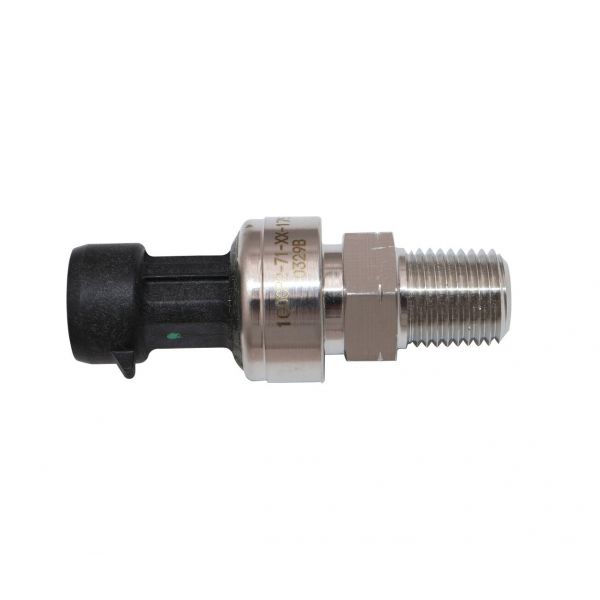
IBC TECHNOLOGIES P-1231 Water Pressure Sensor

Special Price $116.93 Regular Price $134.47
Out of stock
SKU
P-1231
The IBC TECHNOLOGIES P-1231 Water-Pressure Sensor is a high precision sensor monitoring and controlling water pressure in HVAC systems to maximize performance efficiency. Common applications for this sensor is include IBC boilers and hydronic heating systems where control of water pressure is vital for system longevity and efficiency. What it does is detect real time pressure levels and send data to the control unit, preventing problems such as low pressure or system failure. Increases in reliability, economy, and maintenance cost reduction are the benefits resulting from such applications. This is designed to ensure stable water pressure, protecting HVAC system components and improving heating performance, while also increasing overall operational safety.
https://www.partshnc.com/media/catalog/product/p/-/p-1231.jpg

Specifications

  • Type: Water Pressure Sensor
    Write Your Own Review
    You're reviewing:IBC TECHNOLOGIES P-1231 Water Pressure Sensor
    Your Rating
    Customer Questions
    What maintenance is required for the IBC TECHNOLOGIES P-1231 Water Pressure Sensor?

    Regularly check the sensor for proper readings and inspect wiring connections for damage or looseness. Ensure the system fluid is clean and free of sediment buildup. Verify pressure accuracy through system diagnostics. Always power down the system before handling to avoid electrical hazards.

    What are common issues with the IBC TECHNOLOGIES P-1231 Water Pressure Sensor?

    • Inaccurate or fluctuating pressure readings.
    • Sensor not responding to pressure changes.
    • Electrical signal failure or wiring faults.
    • Fouling from sediment or contaminated fluid.
    • System errors triggered by incorrect pressure data.

    Installation Steps

    Step 1: Turn off power and relieve water system pressure before installation.

    Step 2: Locate a suitable straight section of pipe for sensor installation.

    Step 3: Cut the pipe and install the sensor in line, ensuring proper flow direction.

    Step 4: Secure all fittings and check for leaks.

    Step 5: Connect the sensor wiring to the control system according to the wiring diagram.

    Step 6: Restore water flow and power, then test sensor readings for accuracy.