
Facebook Pixel

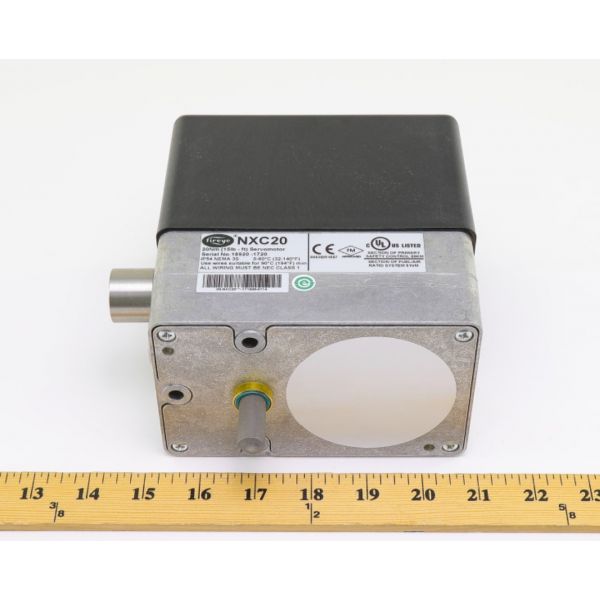
Fireye NXC20 Servo Motor

Special Price $1,149.07 Regular Price $1,275.46
In stock
SKU
NXC20

The Fireye NXC20 servo motor is a properly constructed part intended for use in combustion control and burner management systems in HVAC systems. To maintain secure and productive combustion processes, this servo motor is vital to regulate the fuel flow and air mixture inside combustion chambers. The NXC20 motor maintains ideal combustion conditions by accurately adjusting the position of dampers or valves in response to electrical signals from control systems. This servo motor minimizes emissions, improves combustion performance, and reduces potentially dangerous situations like flame rollouts and unstable combustion by carefully managing fuel and airflow. The Fireye NXC20 servo motor's sturdy build and dependable operation guarantee the HVAC equipment's secure and productive operation.

Manufacturer:
https://www.partshnc.com/media/catalog/product/N/X/NXC20_Fireye_partshnc.jpg
Manufacturer Name: Fireye
Product Number: NXC20
OEM Part Number: NXC20
Product Description: Servo Motor
Weight:4.7lbs/2131.88g

Choose the best HVAC equipment parts and supplies from PartsHnC!

  • Same Day Shipping

  • Best Quality And Best Price

  • Wide Range of Inventory

  • Best Customer Service

Have More Questions or Need Help to Place The Order?
Reach us at (866)773-0907 or [email protected]

Write Your Own Review
You're reviewing:Fireye NXC20 Servo Motor
Your Rating
Customer Questions
What maintenance is required for the Fireye NXC20 Servo Motor?

Inspect wiring connections regularly and ensure terminals are tight to prevent signal loss. Keep the motor housing clean and free of dust to avoid overheating. Lubricate moving parts if applicable per manufacturer guidelines. Check alignment periodically for smooth operation.

What are common issues with the Fireye NXC20 Servo Motor?

  • Overheating due to dust buildup or poor ventilation.
  • Signal loss from loose or damaged wiring connections.
  • Erratic or jerky motion caused by calibration drift or encoder faults.
  • Reduced torque performance from worn internal components.

Installation Steps

Step 1: Disconnect all power to the burner control system before installation.

Step 2: Mount the motor securely onto the compatible control assembly using the provided hardware.

Step 3: Align the motor shaft with the linkage or damper mechanism to prevent binding.

Step 4: Connect wiring according to the manufacturer’s wiring diagram and verify terminal connections.

Step 5: Restore power and calibrate motor positioning through the control system.

Step 6: Test operation to confirm smooth movement and proper response.