
Facebook Pixel

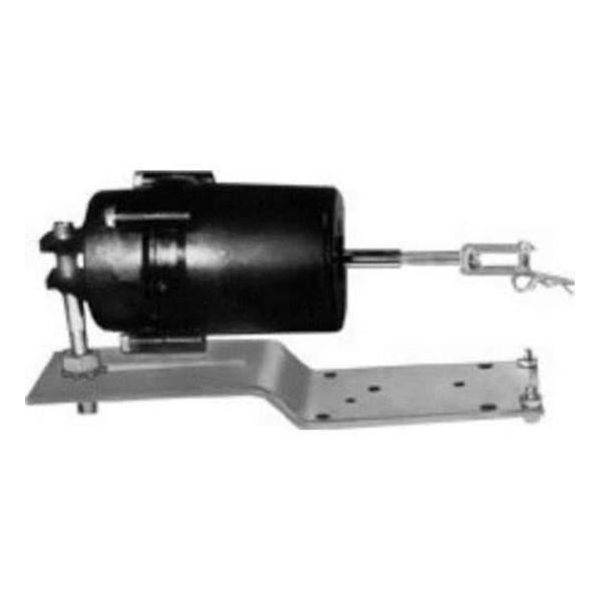
KMC Controls MCP-1130-3520 Pneumatic Actuator 5-10 PSI 3" Stroke Clevis Mount

Special Price $366.12 Regular Price $406.39
In stock
SKU
MCP-1130-3520
KMC Controls MCP-1130-3520 Pneumatic Actuator is used for precise airflow and pressure control in HVAC systems. It operates in a 5-10 PSI pressure range has a 3" stroke length, and mounted to clevis for secure and stable installation. It is commonly in dampers, valves, and air handling units and helps in maintaining smooth and efficient airflow as well as optimum system performance. Its sturdy construction makes it more reliable, less maintenance, and keeps equipment in operation for a longer duration. It provides benefits like energy efficiency, consistent conditions, and lower operation costs for commercial and industrial HVAC system applications.
Manufacturer:

https://www.partshnc.com/media/catalog/product/m/c/mcp-1130-3520_kmc-controls_partshnc.jpg

Specifications

  • Type: Actuator
  • Pressure: 5-10 PSI
  • Stroke Length: 3"
  • Mount Type: Clevis
Manufacturer Name: KMC Controls
Product Number: MCP-1130-3520
OEM Part Number: MCP-1130-3520
Product Description: 3"Stroke,5-10#;Clevis
Weight:3.6lbs/1632.93g

Choose the best HVAC equipment parts and supplies from PartsHnC!

  • Same Day Shipping

  • Best Quality And Best Price

  • Wide Range of Inventory

  • Best Customer Service

Have More Questions or Need Help to Place The Order?
Reach us at (866)773-0907 or [email protected]

Write Your Own Review
You're reviewing:KMC Controls MCP-1130-3520 Pneumatic Actuator 5-10 PSI 3" Stroke Clevis Mount
Your Rating
Customer Questions
What maintenance is required for the KMC Controls MCP-1130-3520 Pneumatic Actuator?

Inspect air supply connections regularly and ensure pressure remains for smooth operation. Check for leaks, worn seals, and loose clevis mounts. Clean external components and verify alignment to prevent sticking and ensure consistent actuator response.

What are common issues with the KMC Controls MCP-1130-3520 Pneumatic Actuator?

  • Air leaks from seals or fittings.
  • Slow or unresponsive actuator movement.
  • Sticking or jerky stroke operation.
  • Diaphragm wear or failure.
  • Incorrect or fluctuating air pressure.
  • Mounting misalignment causing binding.
  • Restricted airflow through ports.

Installation Steps

Step 1: Isolate air supply and depressurize system before starting.

Step 2: Mount actuator on valve using alignment marks and secure bracket firmly.

Step 3: Connect pneumatic tubing to ports ensuring leak-free fittings.

Step 4: Set control signal and adjust stroke calibration per manufacturer specification.

Step 5: Restore air supply slowly and test operation for smooth movement and leaks.

Step 6: Verify all connections are tight and maintain safe pressure limits.