
Facebook Pixel

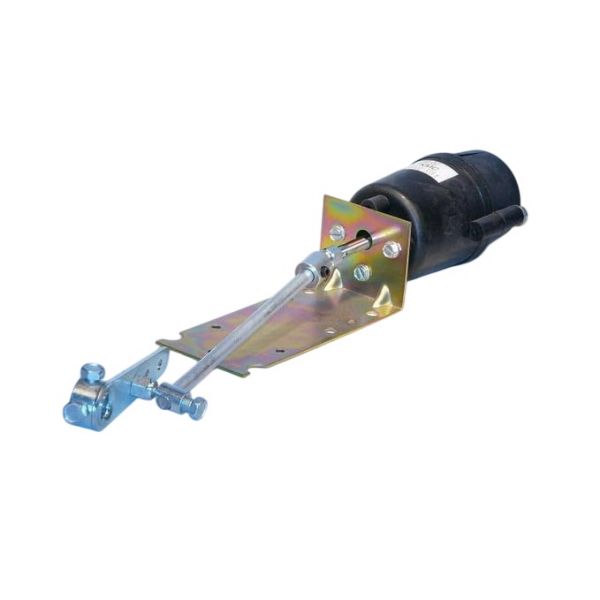
KMC Controls MCP-1020-3311 Pneumatic Damper Actuator W/Link 2" Stroke 5-10 PSI

Special Price $293.68 Regular Price $325.98
In stock
SKU
MCP-1020-3311
The KMC Controls MCP-1020-3311 Pneumatic Damper Actuator position control system to control the position of dampers in HVAC systems with a 2 inch stroke. It operates in a 5 – 10 PSI range of pressure to give precise modulation for the required airflow control. For use in different HVAC equipment such as air handling units and ventilation systems, this actuator is perfect for controlling air dampers to ensure optimal indoor conditions. The responsive design of the actuator improves system performance, reduces energy consumption, and improves comfort overall. Its long term reliable function assures its durability and low maintenance requirements which makes it a vital part in building climate control.
Manufacturer:

https://www.partshnc.com/media/catalog/product/m/c/mcp-1020-3311.jpg

Specifications

  • Type: Pneumatic Damper Actuator
  • Size: 2"
  • PSI Range: 5 - 10 PSI
Manufacturer Name: KMC Controls
Product Number: MCP-1020-3311
OEM Part Number: MCP-1020-3311
Product Description: 2"Stroke Actuator,5/10#W/Link.
Weight:1.41lbs/639.56g

Choose the best HVAC equipment parts and supplies from PartsHnC!

  • Same Day Shipping

  • Best Quality And Best Price

  • Wide Range of Inventory

  • Best Customer Service

Have More Questions or Need Help to Place The Order?
Reach us at (866)773-0907 or [email protected]

Write Your Own Review
You're reviewing:KMC Controls MCP-1020-3311 Pneumatic Damper Actuator W/Link 2" Stroke 5-10 PSI
Your Rating
Customer Questions
What maintenance is required for the KMC Controls MCP-1020-3311 Pneumatic Damper Actuator?

Inspect air connections and linkage regularly for leaks or looseness. Ensure clean, dry air supply to prevent internal damage. Lubricate moving joints lightly when needed and verify calibration for smooth damper operation and safety.

What are common issues with the KMC Controls MCP-1020-3311 Pneumatic Damper Actuator?

  • Air leakage in actuator seals or fittings.
  • Linkage binding or mechanical sticking.
  • Incorrect stroke adjustment causing damper misposition.
  • Loss of pneumatic pressure leading to weak response.
  • Actuator slow response due to contaminated air supply.

Installation Steps

Step 1: Isolate air supply and depressurize system before installation.

Step 2: Mount actuator securely to damper shaft using supplied link.

Step 3: Align stroke range with damper movement limits.

Step 4: Connect pneumatic lines within control range.

Step 5: Adjust linkage and tighten all fasteners firmly.

Step 6: Gradually apply pressure and test smooth operation.