Facebook Pixel

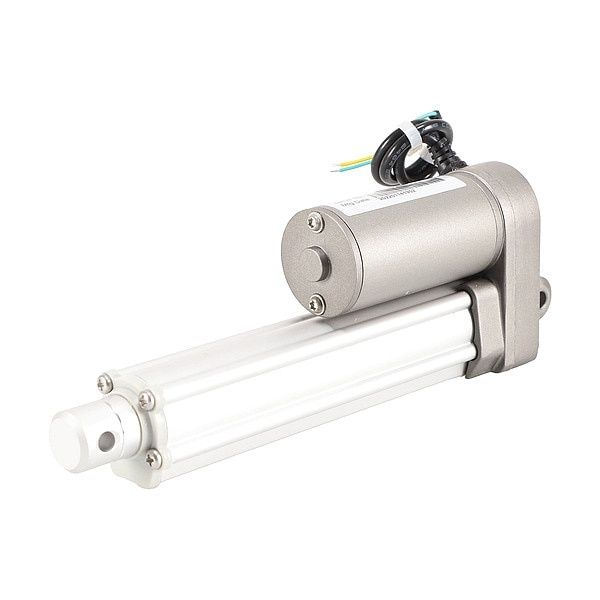
Duff Norton LT100-1-100 Linear Actuator 4" Stroke 112 in-lb 12 VDC

Special Price $372.71 Regular Price $413.71
In stock
SKU
LT100-1-100
The Duff Norton LT100-1-100 12 VDC Linear Actuator is an essential part of linear movement. Designed to have a 112lb load capacity and 4” stroke length, it effectively translates rotational movement into straight-line thrust. It is widely used in HVAC systems for controlling dampers, valves and blinds in air and water control applications to control the flow of air and temperature to a specific level. Advantages include low noise levels and vibration so that the process does not cause much disturbance. They are strength-based systems which means that they are highly durable and provide less frequent need for repairs making HVAC systems highly efficient.
Manufacturer:

https://www.partshnc.com/media/catalog/product/l/t/lt100-1-100.jpg

Specifications

  • Type: Linear Actuator
  • Load Capacity: 112lb
  • Stroke Length: 4"
  • Voltage: 12 VDC
Write Your Own Review
You're reviewing:Duff Norton LT100-1-100 Linear Actuator 4" Stroke 112 in-lb 12 VDC
Your Rating
Customer Questions
What maintenance is required for the Duff Norton LT100-1-100 Linear Actuator?

Regularly check the actuator for dust, debris, and corrosion. Lubricate moving parts and ensure electrical connections are secure. Proper maintenance prevents binding, ensures smooth motion, and reduces the risk of motor strain or operational failure.

What are common issues with the Duff Norton LT100-1-100 Linear Actuator?

  • Binding or jerky movement.
  • Electrical motor failure or overheating.
  • Limit switch malfunctions.
  • Reduced stroke accuracy or inconsistent extension.

Installation Steps

Step 1: Ensure power is off before installation to prevent electric shock.

Step 2: Mount the actuator securely to a stable surface using compatible brackets.

Step 3: Align the actuator rod with the load, ensuring straight motion without binding.

Step 4: Connect the wiring according to the polarity instructions.

Step 5: Test actuator movement slowly to confirm proper operation.

Step 6: Secure all fasteners and check for any interference before full use.