Facebook Pixel

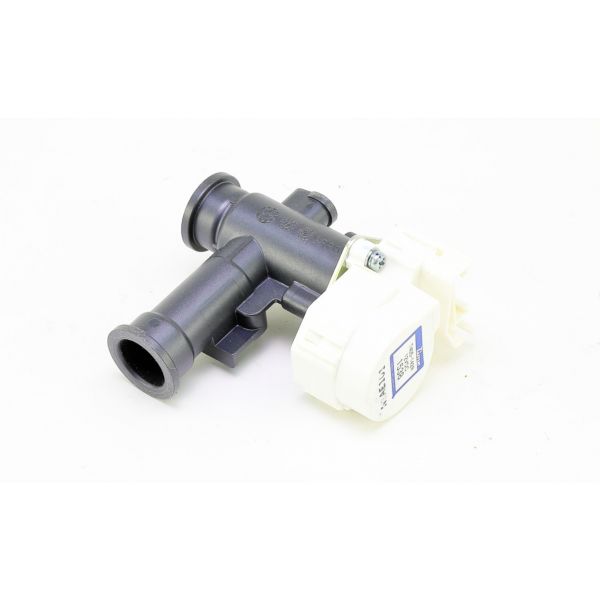
Laars Heating Systems FT1116 Mixing Valve

Special Price $159.81 Regular Price $183.78
In stock
SKU
FT1116
The Laars Heating Systems FT1116 Mixing Valve regulates fluid temperature within hydronic heating loops by blending incoming and outgoing water streams. Installed at the boiler loop interface within HVAC systems, it modulates internal port openings to combine high-temperature supply fluid with cooler return fluid based on system thermal demand. The valve connects using inline pipe fittings to manage flow distribution between the primary heat source and secondary distribution circuits. Regulating fluid temperatures prevents thermal shock to boiler components maintains required supply temperatures to radiation loops, and balances thermal output across connected heating zones.
https://www.partshnc.com/media/catalog/product/f/t/ft1116.jpg

PRODUCT OVERVIEW:
A mixing valve blends hot and cold fluid streams to produce a mixed output at a controlled temperature. Laars Heating Systems FT1116 Mixing Valve OEM is designed to regulate fluid temperature distribution within compatible hydronic heating systems and boilers. Installed along supply and return piping loops, it manages fluid blending to protect heating equipment from thermal shock and ensure proper distribution temperatures. Proper mixing valve operation supports consistent space heating, maintains system balance, and protects connected hydronic components.

FLUID BLENDING AND TEMPERATURE MANAGEMENT:
The mixing valve operates by bringing a hot fluid supply stream and a cooler return fluid stream together inside its internal chamber. As fluid enters the valve inlet ports, internal porting regulates the proportional ratio of each stream before discharging it to connected system circuits. Dynamic fluid blending enables the valve to control output temperatures accurately according to system operating requirements.

HYDRONIC SYSTEM FLOW CONTROL:
During equipment operation, heating demands and return water temperatures fluctuate across operating cycles. Positioned within the primary distribution loop, the valve responds by managing the internal routing of incoming hot and cold streams through its pathways. Maintaining controlled mixed water output prevents high-temperature water from damaging lower-temperature floor or radiator loops while maintaining steady boiler return temperatures.

REPLACEMENT GUIDELINES:
Replace the mixing valve when inspection reveals thermal element failure, internal seat scale binding, failure to regulate discharge temperatures, or active fluid leakage around the valve body joints. Because replacing a hydronic mixing valve involves isolating system piping, draining water loops, and managing high-temperature fluid lines, work must be performed by a qualified plumber or HVAC technician. The technician must safely isolate system pressure, drain the affected loop section, apply appropriate thread or joint sealant, and verify output water temperatures under operating conditions. Always verify technical documentation to confirm component fitment before installation.

COMMON FAILURE SYMPTOMS:

  • Mixed output temperature is hotter or colder than intended.
  • Output temperature swings up and down during operation.
  • Output is almost entirely hot or almost entirely cold fluid.
  • Fluid leakage at the valve body or its connections.
  • Visible cracking or physical damage on the valve body.

EQUIPMENT COMPATIBILITY:
Laars Heating Systems FT1116 Mixing Valve is intended for select Laars hydronic heating boilers and volume water heaters requiring a matching mixing valve assembly. Confirm that your system layout requires a fluid-temperature mixing valve configuration. Cross-reference the equipment manufacturer, part number, and product type against your system's original technical documentation or rating plate before purchasing.

TECHNICAL SPECIFICATIONS:
Product Identification:
Brand: Laars Heating Systems
Part Number: FT1116
Product Type: Mixing Valve

Write Your Own Review
You're reviewing:Laars Heating Systems FT1116 Mixing Valve
Your Rating
Customer Questions
What maintenance is required for the Laars Heating Systems FT1116 Valve Mixing?

Inspect the mixing valve periodically for mineral buildup and leaks. Clean internal components to ensure smooth temperature regulation. Check seals and connections for wear, and verify proper calibration to maintain safe heating system performance.

What are common issues with the Laars Heating Systems FT1116 Valve Mixing?

  • Temperature fluctuation.
  • Valve sticking or jamming.
  • Internal seal leakage.
  • Inaccurate mixing ratio.
  • Reduced flow rate due to blockage.
  • Pressure instability in system.
  • Inconsistent outlet temperature response.

How does a mixing valve regulate fluid temperature in a boiler system?

A mixing valve combines hot supply fluid with cooler return fluid inside an internal chamber, adjusting the ratio of both streams to achieve a stable output temperature for heating loops.

Why is temperature mixing important for hydronic heating equipment?

Regulating water temperature prevents thermal shock to boiler heat exchangers, maintains comfort by stabilizing supply temperatures, and protects low-temperature hydronic loops from excessive heat.

Does replacing the Laars Heating Systems FT1116 mixing valve require a qualified technician?

Yes, replacement requires a qualified plumber or HVAC technician to safely depressurize the system, drain piping loops, seal line connections, and verify mixed output temperatures.

What signs indicate that a hydronic mixing valve has failed?

Key failure indicators include supply temperatures fluctuating outside target ranges, heating loops receiving only hot or cold fluid, active leaks around the valve body, or visible casing damage.

How can replacement compatibility be confirmed for the Laars Heating Systems FT1116?

Cross-reference the equipment manufacturer name (Laars Heating Systems), part number (FT1116), and mixing valve product description against your system's official parts manual before purchasing.

Installation Steps

Step 1: Turn off power and shut down the system; isolate water supply and relieve pressure.

Step 2: Locate the mixing valve in the piping system and disconnect inlet/outlet connections.

Step 3: Remove the old valve and clean pipe threads or fittings.

Step 4: Install the new valve, ensuring correct hot/cold inlet and outlet orientation.

Step 5: Apply thread sealant and tighten all connections securely.

Step 6: Restore water flow and power, then test for leaks and proper temperature mixing.