PRODUCT OVERVIEW:
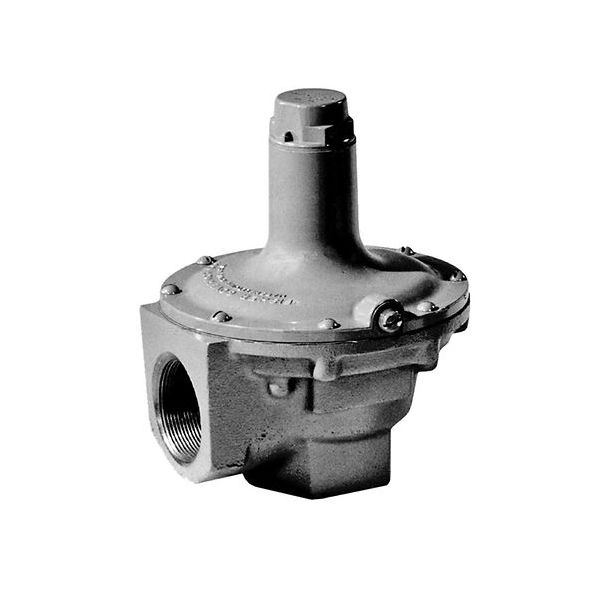
Pressure relief valves vent excess pressure to protect low-pressure gas systems, regulators, and downstream piping. The Fisher 289H-42 Pressure Relief Valve is an OEM safety component engineered to provide automatic over-pressure protection in compatible gas and fluid handling systems. Featuring 1" NPT female inlet and outlet connections, this high-capacity relief valve operates within an adjustable 4 to 15 PSI setpoint range. By opening rapidly to vent excess volume during pressure surges and reseating tightly once normal working pressure is restored, the unit prevents line over-pressurization and safeguards connected equipment.
SPRING-LOADED RELIEF MECHANICS:
An internal calibrated spring exerts continuous seating force to keep the elastomeric disc sealed against the orifice during normal operation. As upstream or system line pressure rises toward the designated setpoint within the 4 to 15 PSI range, pressure forces act against the underside of the internal diaphragm assembly, opposing spring tension. When line pressure exceeds the set threshold, the diaphragm lifts the disc off its seat to vent excess pressure out through the 1" discharge port. Once system pressure drops back below the setpoint, spring force pushes the disc shut instantly to restore fluid containment.
LOW-PRESSURE SYSTEM INTEGRATION:
The pressure relief valve functions as an inline safety safeguard installed downstream of primary pressure regulators or directly on header piping. Operating strictly on system differential pressure without requiring external electrical power or pilot gas lines, the valve body maintains pressure boundary integrity while providing an immediate physical vent path. Installed at critical distribution nodes, the unit prevents diaphragm damage in downstream regulators and protects low-pressure burner lines or process equipment from pressure spikes.
REPLACEMENT GUIDELINES:
Component replacement is necessary when the valve vents continuously, fails to open during high-pressure conditions, or suffers internal diaphragm tearing. Malfunctioning relief valves present safety risks by causing continuous system fuel/fluid loss or exposing downstream components to dangerous pressure surges. Qualified technician assistance is recommended for system depressurization, gas line isolation, and pressure setting adjustments. Before purchasing, verify the part number and all relevant specifications against the original equipment documentation to ensure the replacement matches the system requirements.
COMMON FAILURE SYMPTOMS:
- Continuous gas or media venting from the 1" NPT outlet port under normal operating pressure.
- Failure of the internal valve disc to open or vent media during over-pressure conditions exceeding the 4–15 PSI setpoint.
- Inability of the valve disc to reseat completely after a pressure relief event, causing persistent line pressure loss.
- Visible moisture accumulation, heavy oxidation, or surface corrosion around the valve housing casting.
- External gas weeping or leakage around the 1" NPT threaded connection joints or body flange seams.
EQUIPMENT COMPATIBILITY:
The Fisher 289H-42 is intended for compatible low-pressure gas and fluid distribution systems requiring a 1" NPT pressure relief valve with a 4 to 15 PSI pressure range. Confirm the part number, thread size, and adjustable setpoint range against the original equipment documentation before selecting a replacement. For exact compatible equipment models, refer to the manufacturer's documentation. Do not assume compatibility based on the manufacturer name alone.
TECHNICAL SPECIFICATIONS:
Product Identification:
Brand: Fisher
Part Number: 289H-42
Component Type: Pressure Relief Valve
Operating Specifications:
Pressure Relief Range: 4 to 15 PSI
Connection Specifications:
Connection Size: 1" NPT
 Loyalty Program