
Facebook Pixel

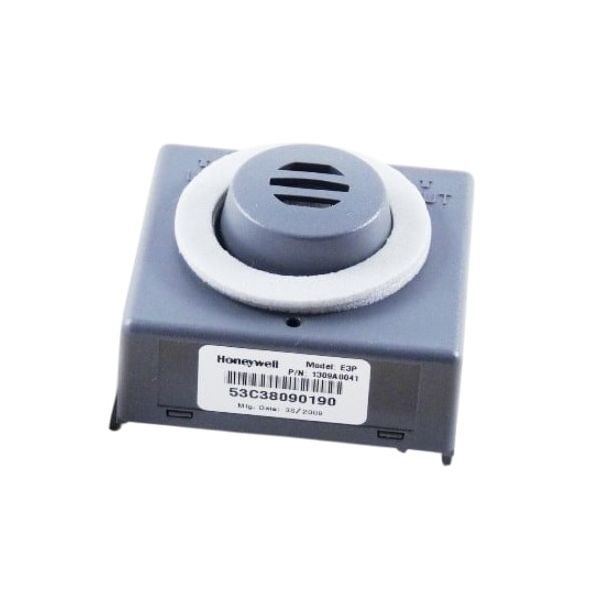
Honeywell Analytics E3P Propane Sensor Cartridge

Special Price $427.36 Regular Price $474.36
In stock
SKU
E3P

The Honeywell Analytics E3P Propane Sensor Cartridge is a replaceable component designed to detect propane gas leaks in commercial buildings and alert occupants to potential hazards. It is notably utilized in the E3Point gas detection systems made by Honeywell, which are used in a variety of HVAC devices, including air handling units, boilers, and furnaces.The E3P cartridge continuously scans the surrounding air for propane molecules using electrochemical technology. An electrical current is produced when these molecules come into contact with the electrodes of the sensor, setting off an alert and other safety mechanisms. The E3P sensor cartridge is an essential safety component in commercial HVAC systems because it detects propane leaks quickly, reducing the prospect of fires, explosions, and other safety hazards related to propane gas accumulation.

https://www.partshnc.com/media/catalog/product/e/3/e3p.jpg
Manufacturer Name: Honeywell Analytics
Product Number: E3P
OEM Part Number: E3P
Product Description: Propane Sensor Cartridge
Weight:0.13lbs/58.97g

Choose the best HVAC equipment parts and supplies from PartsHnC!

  • Same Day Shipping

  • Best Quality And Best Price

  • Wide Range of Inventory

  • Best Customer Service

Have More Questions or Need Help to Place The Order?
Reach us at (866)773-0907 or [email protected]

Write Your Own Review
You're reviewing:Honeywell Analytics E3P Propane Sensor Cartridge
Your Rating
Customer Questions
What maintenance is required for the Honeywell Analytics E3P Propane Sensor Cartridge?

Inspect the sensor cartridge periodically for contamination or exposure to harsh chemicals that may affect accuracy. Ensure the unit is properly seated and calibrated as per system guidelines. Power down the base unit before replacement and verify proper operation after installation.

What are common issues with the Honeywell Analytics E3P Propane Sensor Cartridge?

  • Drift in sensor calibration.
  • Reduced sensitivity to propane gas.
  • False alarms or intermittent signals.
  • Communication or output signal instability.
  • Contamination affecting sensor response.

Installation Steps

Step 1: Turn off the system and follow lockout procedures to avoid gas exposure or electrical hazard.

Step 2: Remove the existing old sensor cartridge carefully, avoiding contact with sensor pins or contamination.

Step 3: Align the new sensor cartridge with the slot and insert firmly until fully seated.

Step 4: Restore power and allow warm-up time per system requirements.

Step 5: Calibrate the system if required and test with controlled propane gas.

Step 6: Ensure proper ventilation and check alarm response before returning to service.