
Facebook Pixel

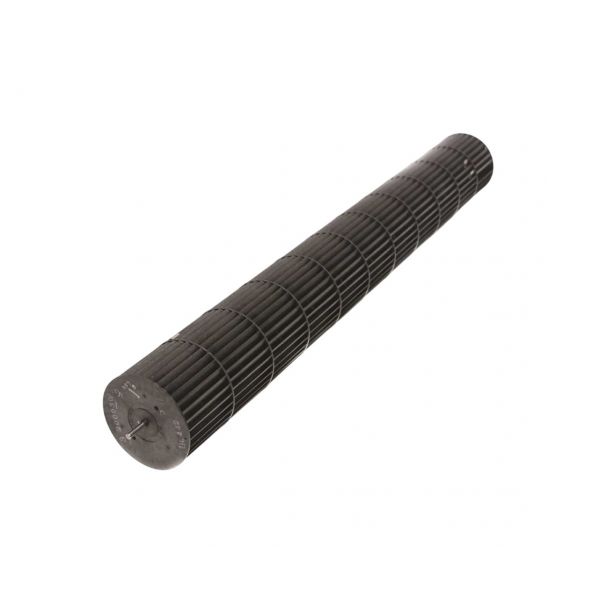
Mitsubishi Electric E22F28302 Line Flow Fan Wheel

Special Price $83.83 Regular Price $96.40
In stock
SKU
E22F28302
The Mitsubishi Electric E22F28302 is a Line Flow, which is an essential part of airflow in HVAC systems. It is intended to be durable and efficient. It has an axial fan wheel design with a diameter of 12 inches and breadth of 5 inches and is capable of high airflow. It is constructed from stainless steel and it’s black coated to ensure that it withstands the test of time and looks well also. The fan wheel has a shaft diameter of 5/16 inches and comes with a central mount for easy fixing on the motor. It has a fan speed of 1500 and has a continuous and steady flow appropriate for use in different HVAC systems.
https://www.partshnc.com/media/catalog/product/e/2/e22f28302.jpg

Specifications

  • Temperature Range: -4°F to 140°F
  • Type: Line Flow Fan Wheel
  • Fan Type: Axial Fan Wheel
  • Diameter: 12"
  • Width: 5"
  • Material: Steel
  • Color: Black
  • Shaft Diameter: 5/16"
  • Mounting Type: Center Mount
  • Air Flow: Line Flow
  • Fan Speed: 1500 RPM
  • Weight: 3 Lbs
Air movement within equipment is supported by a rotating fan wheel that directs air through the designated passage. The Mitsubishi Electric E22F28302 Line Flow Fan is designed as a rotating component within a line flow fan assembly, where its movement helps circulate air along the intended airflow path. Its placement within the fan assembly allows mechanical rotation to be converted into continuous air movement.

Line-Flow Air Movement:
Rotational movement of a line-flow fan wheel creates a continuous stream of air through the equipment's designated airflow passage. The wheel operates as part of the fan assembly, where its rotation moves air along the intended direction of flow. This airflow arrangement allows the fan wheel to circulate air through the associated equipment. The designation identifies the specific line-flow fan wheel referenced for this application.

Equipment Air Circulation:
Air circulation through the equipment depends on coordinated movement between the fan wheel and the surrounding airflow assembly. As the line-flow wheel rotates, it moves air through the internal air path and supports circulation through the system. This places the fan wheel within the equipment's air-moving cycle rather than the refrigeration or control section. Its application is therefore directly associated with air movement inside Electric equipment.

Replacement Guidelines:
Consider replacing the line-flow fan wheel when physical deterioration or damage affects its ability to rotate properly and maintain the intended airflow path. The existing part identification should be compared with the equipment's applicable parts information to confirm that the Mitsubishi Electric E22F28302 Line Flow Fan is the correct match for the specific equipment.

Common Signs of Wear:

  • Reduced or irregular airflow from the equipment.
  • Unusual noise during fan operation.
  • Excessive vibration during rotation.
  • Visible physical damage to the fan wheel.
  • Irregular fan-wheel movement during operation.

Equipment Compatibility:
The Mitsubishi Electric equipment must use the specified line flow fan design for E22F28302. Confirm the equipment model and existing line flow fan arrangement before purchase to ensure the replacement matches the intended equipment.

Technical Specifications:
Brand: Mitsubishi Electric
Part Number: E22F28302
Component Type: Line Flow Fan Wheel

Write Your Own Review
You're reviewing:Mitsubishi Electric E22F28302 Line Flow Fan Wheel
Your Rating
Customer Questions
Can the Fan Wheel be used in both cooling and heating modes?

Yes, the Fan Wheel operates in both cooling and heating modes, facilitating air movement over the respective evaporator and condenser coils.

Can the Fan Wheel improve indoor air quality?

While the primary function of the Fan Wheel is air circulation, efficient airflow can contribute to better distribution of filtered air and potentially enhance indoor air quality.

Can the Fan Wheel be affected by power fluctuations or electrical issues?

Voltage fluctuations can impact the operation of the Fan Wheel's motor. Using appropriate surge protection and maintaining stable power can help prevent issues.

What maintenance is required for the Mitsubishi Electric E22F28302 Line Flow Fan Wheel?

Regularly inspect the fan wheel for dust buildup, debris, or corrosion. Clean blades with a soft brush or compressed air to maintain airflow efficiency. Ensure mounting bolts are tight and balance is correct to prevent vibration and wear. Safety gloves and power shutdown are essential during maintenance.

What are common issues with the Mitsubishi Electric E22F28302 Line Flow Fan Wheel?

  • Reduced airflow.
  • Unusual noise or vibration.
  • Imbalance or wobbling of the fan wheel.
  • Motor strain due to debris buildup.

How does the E22F28302 Line Flow Fan Wheel contribute to HVAC operation?

The fan wheel moves air through the designated airflow path within applicable indoor HVAC equipment, supporting continuous air circulation.

What role does rotational movement play in the operation of a Line Flow Fan Wheel?

Rotational movement transfers mechanical motion into airflow, allowing the wheel to direct air through the connected passage.

Why is a Line Flow Fan Wheel used in indoor HVAC equipment?

It is used where controlled air movement and distribution are required within an indoor HVAC assembly.

How does the fan wheel direct air through the equipment?

The rotating wheel directs air through the designated passage toward the outlet, supporting airflow distribution across the equipment.

How can I confirm the E22F28302 Line Flow Fan Wheel before purchasing?

Match the Mitsubishi Electric manufacturer identification and E22F28302 part number with the existing fan wheel and applicable indoor HVAC equipment.

Installation Steps

Step1: Turn off power to the HVAC unit before beginning.

Step2: Remove the access panel and disconnect the old fan wheel from the blower assembly.

Step3: Install the new line flow fan wheel securely onto the motor shaft and align correctly.

Step4: Reconnect any wiring, replace the panel, restore power, and test airflow for proper operation.