Facebook Pixel

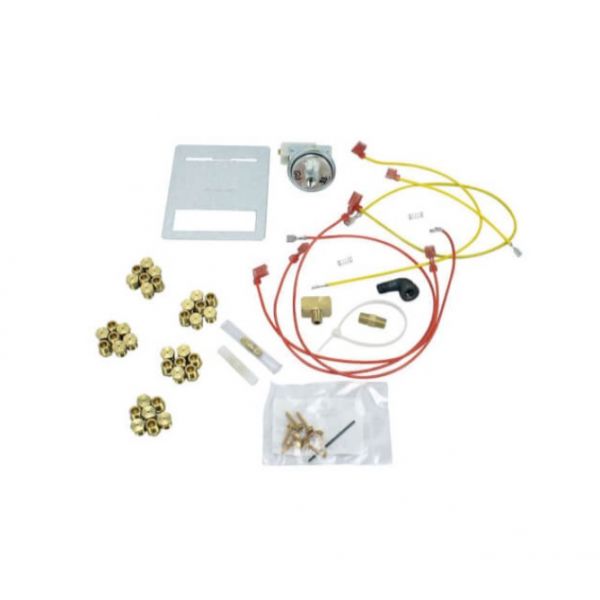
Carrier CRLPELEV004A00 High Altitude Gas Conversion Kit

Special Price $469.56 Regular Price $521.21
In stock
SKU
CRLPELEV004A00
The Carrier CRLPELEV004A00 High Altitude Gas Conversion Kit is intended to improve the efficiency of Carrier residential gas furnaces that are used at altitudes above 2,000 feet. This kit usually contains such items as altitude-related orifices and changes for the gas valves and burners. This kit also regulates the fuel air mixture and the heat produced in the combustion chamber is optimum even in conditions of low air pressure such as those experienced at high altitude. This avoids problems such as incomplete combustion, yellow flame, and low heat output, which are characteristic of standard settings when used in high altitude regions.
Manufacturer:

https://www.partshnc.com/media/catalog/product/c/r/crlpelev004a00-1.jpg

Specifications

  • Type: High Altitude Gas Conversion Kit
    Write Your Own Review
    You're reviewing:Carrier CRLPELEV004A00 High Altitude Gas Conversion Kit
    Your Rating
    Customer Questions
    What maintenance is required for the Carrier CRLPELEV004A00 Gas Conversion Kit?

    Regularly inspect connections and fittings for leaks or corrosion to ensure safe operation. Verify gas pressure and flow settings match specifications. Keep components clean and secure. Always follow safety protocols when handling gas connections to prevent hazards.

    What are common issues with the Carrier CRLPELEV004A00 Gas Conversion Kit?

    • Improper gas pressure adjustments.
    • Leaks at connections or fittings.
    • Inconsistent burner performance.
    • Difficulty igniting or maintaining flame.

    Installation Steps

    Step 1: Turn off gas supply and disconnect power to the unit.

    Step 2: Access the burner assembly and remove existing orifices.

    Step 3: Install the orifices from the kit securely.

    Step 4: Adjust regulator settings per manufacturer guidelines.

    Step 5: Reassemble components and ensure all fittings are tight.

    Step 6: Restore gas and power, then test for leaks and proper flame.

    Step 7: Verify safe operation before regular use.