
Facebook Pixel

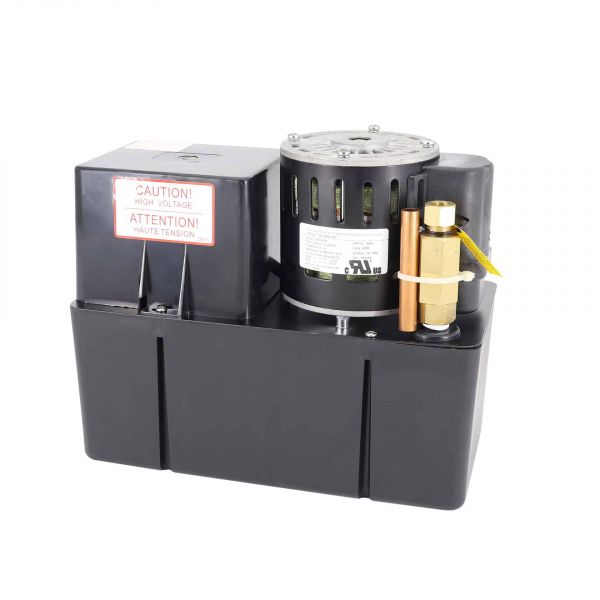
BECKETT PUMPS CB501ULHTS High Temperature Condensate Removal Pump 115V

Special Price $420.02 Regular Price $466.23
In stock
SKU
CB501ULHTS
The BECKETT PUMPS CB501ULHTS High Temperature Condensate Removal Pump intended for condensate created by HVAC systems ranging from air conditioners, high-efficiency furnaces, boilers and the like. This pump has a maximum lift of 50 feet and its power requirement is 115V, this pump is capable of handling high temperature condensate up to 212°F. This product improve of a high-quality construction with a one-gallon tank and a safety feature of a momentary switch. This pump is especially useful in cases where gravity drainage is impossible, and the pump will work without stopping until it is full.
Manufacturer:
https://www.partshnc.com/media/catalog/product/c/b/cb501ulhts-1.jpg

Specifications

  • Type: High Temperature Condensate Removal Pump
  • Maximum Lift: 50 feet
  • Voltage: 115V
Write Your Own Review
You're reviewing:BECKETT PUMPS CB501ULHTS High Temperature Condensate Removal Pump 115V
Your Rating
Customer Questions
What maintenance is required for the BECKETT PUMPS CB501ULHTS Removal Pump?

Regularly clean the pump reservoir and inlet to remove debris or algae buildup. Check the float and electrical connections for proper operation. Maintenance ensures accurate pumping, prevents clogs, and reduces the risk of water overflow or damage.

What are common issues with the BECKETT PUMPS CB501ULHTS Removal Pump?

  • Pump fails to activate or stops mid-cycle.
  • Float sticking or binding.
  • Clogged inlet or discharge line.
  • Motor overheating or tripping breakers.
  • Leaks from seals or fittings.

Installation Steps

Step 1: Disconnect power and ensure HVAC system is off before starting installation.

Step 2: Position pump on a level surface near the condensate drain outlet.

Step 3: Connect inlet tubing securely and route discharge line to drain.

Step 4: Wire pump to supply per diagram ensuring proper grounding and insulation.

Step 5: Check float operation and ensure reservoir is free of debris.

Step 6: Restore power and test pump operation, verifying smooth drainage and no leaks.