Facebook Pixel

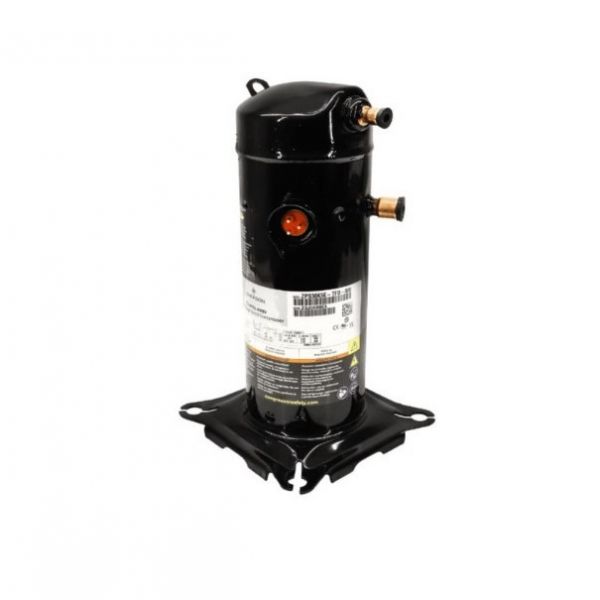
Arrco AA54KP-HFD 5 Ton Scroll Compressor R410A 460V/3PH

Special Price $1,271.30 Regular Price $1,411.14
Out of stock
SKU
AA54KP-HFD
The Arrco AA54KP-HFD Scroll Compressor system is built to meet the requirements of HVAC installations. The compressor works with R410A refrigerant to deliver a 5-ton cooling capacity at 460V 3-phase power. The scrolling mechanism operates through two orbital scrolls that compress refrigerant to achieve efficient and reliable cooling. The compressor operates in commercial air conditioning units and large-scale HVAC systems to provide multiple advantages. The design structure of this compressor reduces both vibration and noise to enhance user comfort during operation. By implementing R410A in the cooling system operators experience better energy efficiency with lower environmental effects.
Manufacturer:
https://www.partshnc.com/media/catalog/product/a/a/aa54kp-hfd.jpg
Write Your Own Review
You're reviewing:Arrco AA54KP-HFD 5 Ton Scroll Compressor R410A 460V/3PH
Your Rating
Customer Questions
What maintenance is required for the Arrco AA54KP-HFD Scroll Compressor?

Regularly inspect the compressor for oil levels, leaks, and unusual noise. Clean or replace filters and check electrical connections. Proper lubrication and monitoring prevent overheating and ensure efficient operation, and always follow safety procedures when servicing.

What are common issues with the Arrco AA54KP-HFD Scroll Compressor?

  • Reduced cooling efficiency or capacity.
  • Unusual vibration or noise.
  • Refrigerant leaks.
  • Electrical faults or motor overheating.

Installation Steps

Step 1: Turn off power to the HVAC system at the breaker and verify zero voltage.

Step 2: Remove the old compressor, carefully recovering any refrigerant per safety regulations.

Step 3: Position the new compressor on the mounting pads, ensuring proper alignment.

Step 4: Connect suction, discharge, and electrical lines according to the wiring diagram.

Step 5: Evacuate, charge with refrigerant, and restore power.

Step 6: Test system operation and check for leaks before closing panels.