
Facebook Pixel

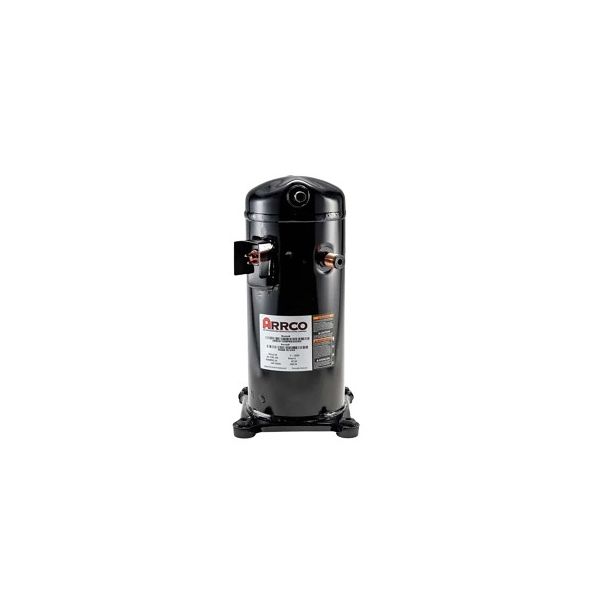
Arrco AR34KP-BFV 2.75-Ton Scroll Compressor R-22 208-230V/1PH

Special Price $830.57 Regular Price $921.93
In stock
SKU
AR34KP-BFV
The Arrco AR34KP-BFV 2.75-ton-Scroll compressor is suitable for cooling loads, using R-22 refrigerant in HVAC systems. This compressor uses the positive displacement technique in which two helical scrolls intermesh and compress the refrigerant towards the central region continuously producing high-pressure gas. It is operated by a 208-230V single-phase motor to enhance reliability and minimize noise production during operation. This type of compressor is often used in air conditioning systems and heat pumps because of its advantages over the conventional type of compressor, energy efficiency, low maintenance due to fewer moving parts, and relatively low noise level.
Manufacturer:

https://www.partshnc.com/media/catalog/product/a/r/ar34kp-bfv.jpg

Specifications

  • Type: Scroll Compressor
  • Capacity: 2.75-Ton
  • Refrigerant Type: R-22
  • Voltage Range: 208-230V
  • Phase: 1PH
Write Your Own Review
You're reviewing:Arrco AR34KP-BFV 2.75-Ton Scroll Compressor R-22 208-230V/1PH
Your Rating
Customer Questions
What maintenance is required for the Arrco AR34KP-BFV Scroll Compressor?

Regularly inspect and clean the compressor’s coils and filters to ensure efficient airflow. Check for refrigerant leaks and proper oil levels. Maintenance prevents overheating and operational issues, and following safety guidelines reduces the risk of electrical hazards.

What are common issues with the Arrco AR34KP-BFV Scroll Compressor?

  • Reduced cooling performance.
  • Unusual vibrations or noise.
  • Overheating of the unit.
  • Electrical failures or tripped breakers.
  • Refrigerant leaks causing inconsistent operation.

Installation Steps

Step 1: Disconnect power supply and ensure system is fully depressurized.

Step 2: Mount the compressor securely on vibration pads.

Step 3: Connect suction and discharge lines.

Step 4: Install electrical wiring as per voltage specifications.

Step 5: Evacuate the system to remove moisture and air.

Step 6: Charge refrigerant to the required levels.

Step 7: Test for leaks, restore power, and verify smooth operation.